
Arda Güler’s midfield breakthrough gives Real Madrid a new option before El Clásico
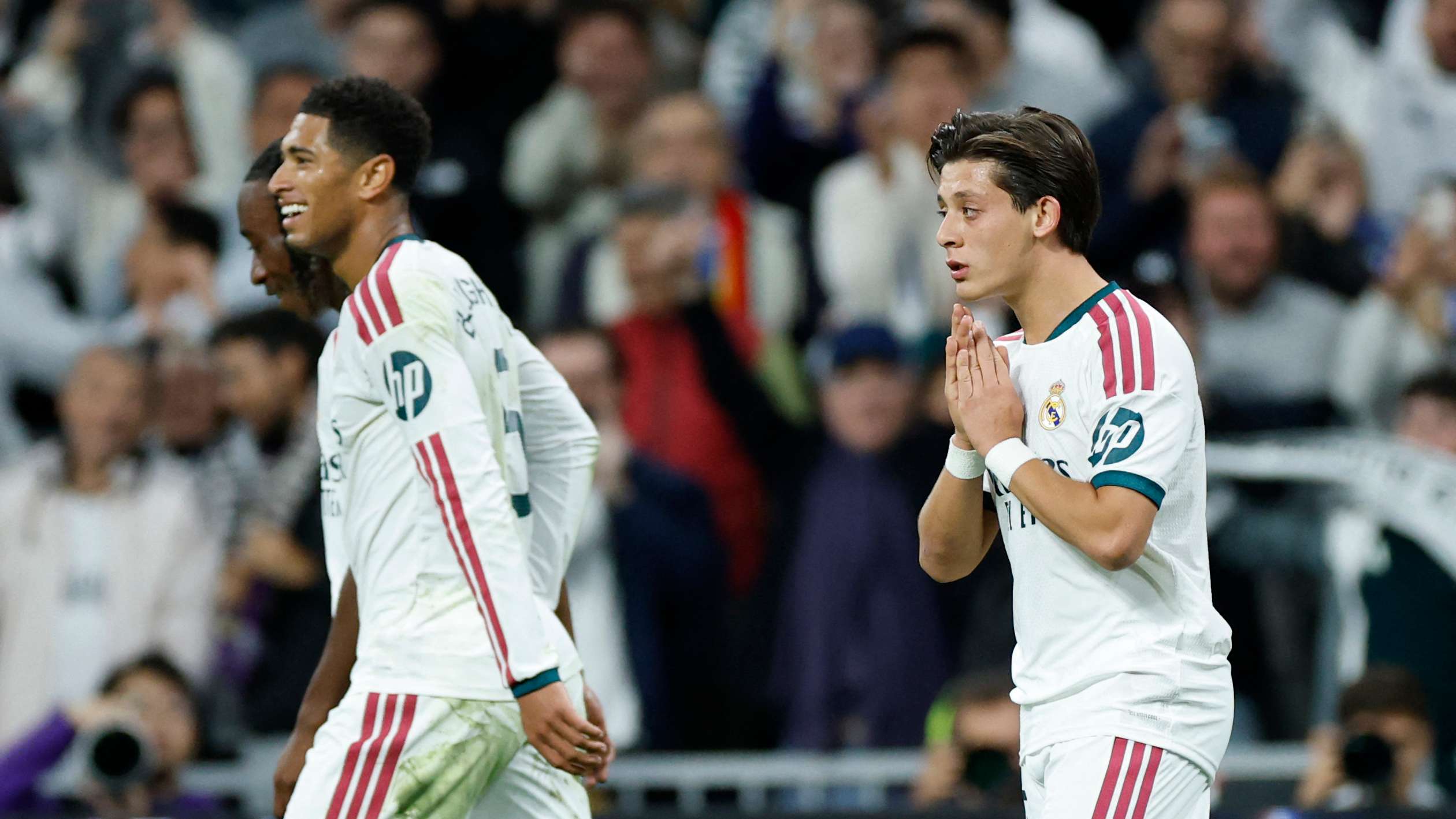
Real Madrid may have found a fresh way to control matches just as the season’s biggest tests approach. Arda Güler’s standout display against Sevilla has strengthened the case for giving the young Turkey international a regular role in central midfield, where his passing, vision and composure helped reshape the team’s performance.
Coach José Mourinho had been cautious about using Güler at the base of the build-up. That changed after Sevilla, when a subtle tactical adjustment produced Real Madrid’s most convincing performance of the campaign so far. The team recorded 65 per cent possession and completed 666 passes, surpassing its previous season high of 599 against Málaga.
The numbers mattered, but the broader impression was just as significant: Madrid moved the ball with greater purpose, connected midfield to attack more smoothly and looked better equipped to dictate the rhythm of the game. With El Clásico on the horizon, Güler’s emergence offers Mourinho another solution—and gives supporters a new tactical question to consider.
A small change with a major impact
Mourinho had hinted before the Sevilla match that he was considering adjustments, while making clear that team selection remained a human decision. He said coaches must choose what they believe is best for the team, even as technology and artificial intelligence continue to develop. He did not reveal the precise plan before kick-off, but moving Güler into a deeper midfield position proved the most eye-catching change.
Rather than operating primarily from the right flank or as an advanced playmaker, Güler was asked to help start attacks from central areas. Receiving the ball with more of the pitch in front of him allowed him to scan for options, set the tempo and look for passes that could quickly turn possession into a threat.
That role calls for more than technical ability. A central midfielder must understand when to speed up play, when to keep the ball, how to support teammates under pressure and where danger may develop after possession is lost. Güler is still learning those demands, but his Sevilla performance showed why the coaching staff believe he could grow into the position.
Why control is the key word
Real Madrid’s midfield has often relied on the physical presence and defensive coverage of Aurélien Tchouaméni and Federico Valverde. Güler offers a different profile. His close control and short passing can help Madrid retain possession, while his eye for a through ball gives the forwards a direct route towards goal.
That combination could be particularly useful when opponents defend in a compact shape. Güler can draw pressure before releasing the ball, switch play to open space or attempt a pass between the lines. With fast attackers such as Kylian Mbappé ready to run behind a defence, a well-timed delivery can turn a patient spell of possession into an immediate scoring opportunity.
His movement also creates flexibility for Jude Bellingham. During the Sevilla match, the two exchanged positions at different moments, making it harder for the opposition to decide who should track whom. When Güler dropped deeper, Bellingham could move into more advanced areas; when the England international came towards the ball, Güler could find space elsewhere. Such rotations can unsettle defensive structures without requiring a dramatic change in formation.
Valverde’s versatility adds another layer
The experiment is not only about Güler. Valverde’s position will influence how Madrid balance the midfield and wide areas. Mourinho has repeatedly praised the Uruguayan’s versatility, noting that he can perform at a high level in a range of roles. His energy and willingness to cover ground give the coach several ways to protect Güler while preserving the team’s intensity.
One option is to use Valverde at right-back, allowing Güler to remain in midfield. Another is to move Valverde back to the right wing, a position Güler has occupied in previous matches. Mourinho could also keep Valverde centrally and leave Tchouaméni out, creating a more creative pairing while accepting a different balance of defensive strengths.
Each choice comes with trade-offs. A midfield built around Güler may improve passing and attacking connections, but it must still provide enough protection when Madrid lose the ball. The contribution of teammates who track back and defend diligently is therefore crucial. Mourinho’s challenge is to preserve the attacking benefits without leaving the back line exposed.
A promising role, not a finished product
Mourinho has been careful not to present Güler as a complete midfielder already. Before the Sevilla game, he described the player as highly talented, versatile and still developing. That assessment reflects the reality of the position: central midfield is one of football’s most demanding roles, requiring a player to influence both sides of the game.
Güler will need to improve his defensive positioning, awareness of runners and decision-making when opponents press aggressively. He must also learn when a safe pass is more valuable than an ambitious attempt to break the lines. Those details are especially important in high-stakes fixtures, where one loose pass in a central area can quickly become a counterattack.
Still, the Sevilla performance has earned him the opportunity to keep learning in the role. The coaching staff’s recent review of matches against Villarreal and Elche reportedly encouraged them to seek more control and balance, and Güler’s qualities offer a possible answer. His progress will depend on consistency, not just one impressive display.
What Güler’s rise could mean for El Clásico
There is no guarantee that Güler will start every major match in central midfield. Mourinho may continue to use him on the wing or behind the striker, depending on the opponent and the demands of the fixture. But the Sevilla game has made him a realistic option alongside established midfielders, rather than simply a creative alternative further forward.
That added flexibility could matter in El Clásico, where control of the middle of the pitch often shapes the contest. If Madrid can keep possession under pressure and find Mbappé or other forwards with early passes, Güler’s vision may become a valuable attacking weapon. If the match turns into a physical battle, however, Mourinho will have to weigh that creativity against the need for defensive security.
For fans considering a football prediction ahead of the next major fixture, Güler’s role is an important variable. His inclusion could point to a Madrid side seeking to dominate possession and create through combinations, while a more conservative selection might signal a focus on protection and counterattacking. Either way, his breakthrough against Sevilla has expanded Mourinho’s tactical choices.
The experiment is still developing, and Madrid’s final midfield structure remains uncertain. Yet Güler has shown that he can offer more than flair in advanced areas. If he continues to improve his reading of the game and defensive work, his central role could become one of the defining features of Mourinho’s evolving team.