
Badminton Evolves with Synthetic Shuttlecocks, Shorter Games, and New Stars
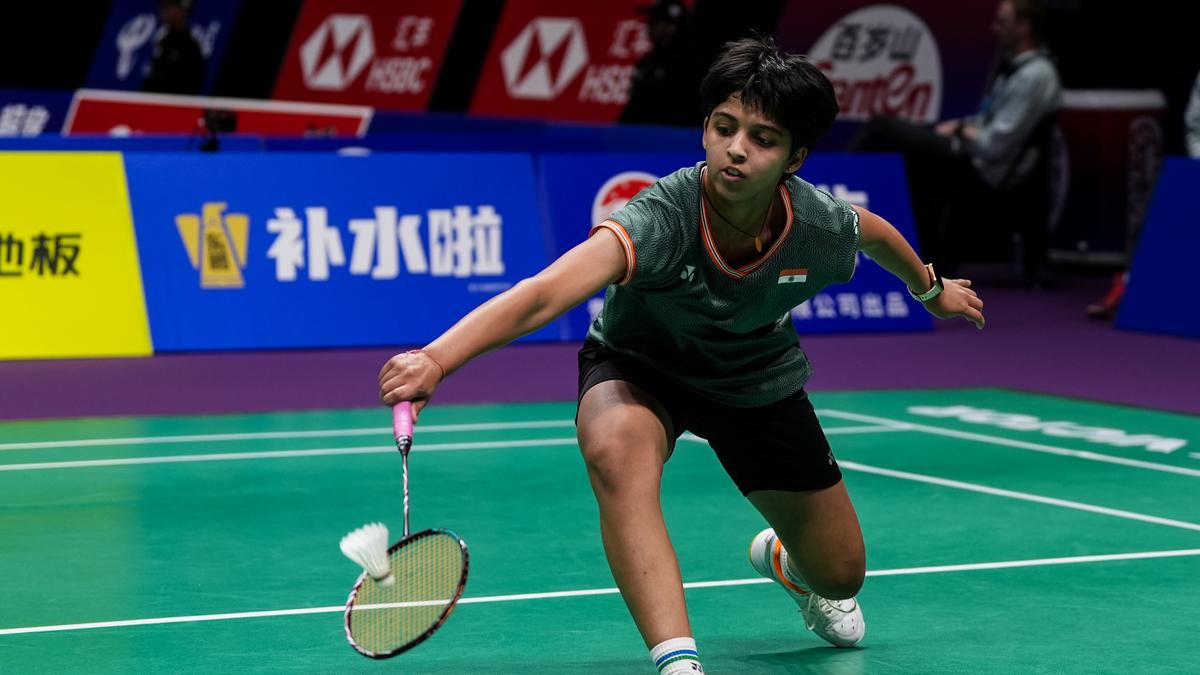
Badminton is undergoing a significant evolution with changes to its scoring system, the introduction of synthetic shuttlecocks, and the emergence of a new generation of stars. Thomas Lund, secretary general of the Badminton World Federation (BWF), emphasized the sport’s need to adapt and innovate to attract new fans and ensure its continued growth.
Scoring System Changes
One of the most notable changes announced by the BWF is the adjustment to the scoring system, set to take effect in January 2027. Matches, which currently consist of the best of three games with the winner reaching 21 points, will now be won by the first player to reach 15 points. The decision to implement 15-point games aims to cater to the preferences of the next generation of fans while also considering the welfare of players in terms of recovery.
Introduction of Synthetic Shuttlecocks
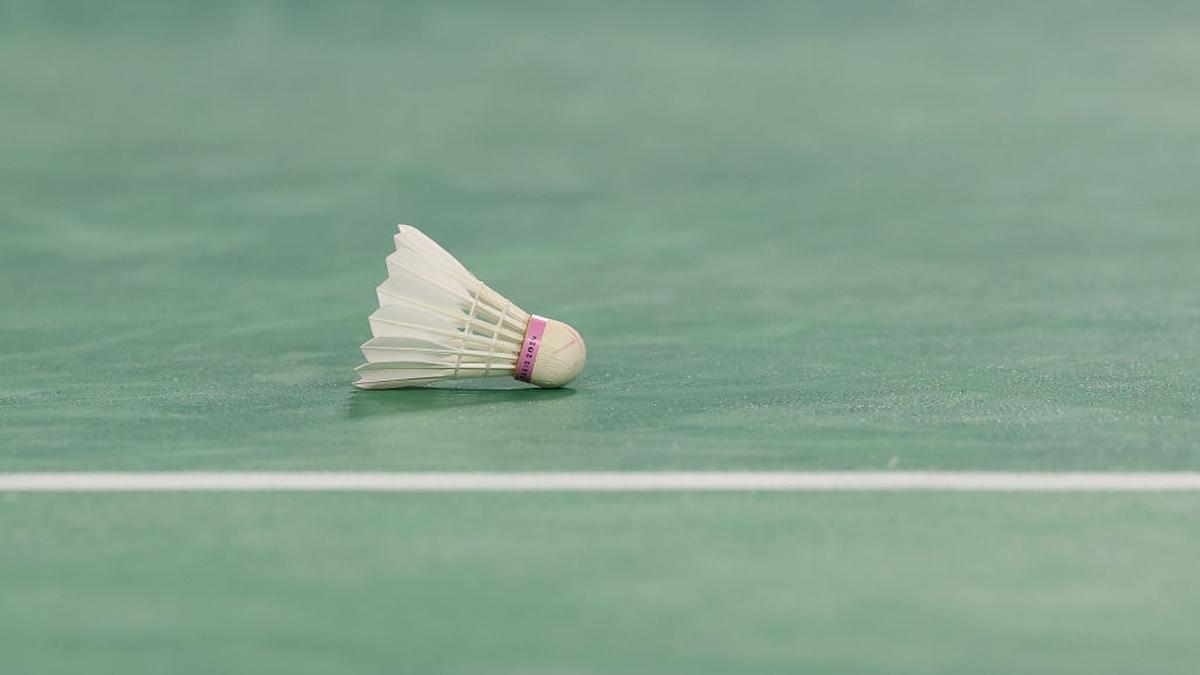
In addition to scoring system changes, the BWF also revealed plans to trial synthetic shuttlecocks at lower-grade tournaments with the possibility of using them at elite levels in the future. This move has raised some concerns among traditionalists regarding costs and the availability of duck and goose feathers, which are traditionally used in shuttlecocks. However, Lund emphasized the importance of pursuing innovative solutions to make badminton more accessible and affordable at all levels of the sport.
New Generation of Stars
With the retirement of double Olympic champion Viktor Axelsen at the age of 32, there is a void at the top of the men’s game. Despite this loss, Lund remains confident in the sport’s ability to produce new stars who will captivate audiences and continue to elevate the level of play. He drew parallels with tennis, highlighting how new talents emerge to fill the gaps left by retiring legends, ensuring the sport’s longevity and excitement.
Lund also addressed concerns about the lack of a rivalry akin to the iconic Lin Dan-Lee Chong Wei matchup, stating that badminton has a rich history of producing compelling narratives and star players. He pointed to recent achievements, such as France reaching the final of the Thomas Cup men’s team event for the first time, as evidence of the sport’s ongoing competitiveness and global appeal.
Future Prospects
Looking ahead, Lund expressed optimism about the potential for synthetic shuttlecocks to become more widely adopted in badminton, offering a high-quality alternative to traditional feather shuttlecocks. He emphasized the importance of ongoing innovations and evolutions in the sport to ensure its relevance and accessibility, particularly at the grassroots level where millions of people participate in badminton worldwide.
As badminton continues to evolve with changes to its scoring system, the introduction of synthetic shuttlecocks, and the emergence of new stars, the sport remains poised for growth and excitement in the years to come.
Embracing Innovation in Badminton
As badminton embraces new changes and innovations, it is essential to recognize the sport’s rich history and tradition while also looking towards the future. The introduction of synthetic shuttlecocks is a significant step towards making the sport more sustainable and cost-effective. By moving away from traditional feather shuttlecocks, which can be expensive and require specific materials, badminton can become more accessible to players of all levels.
Moreover, the shift to 15-point games in the scoring system not only aligns with the preferences of modern audiences but also addresses the physical demands on players. Shorter games can lead to faster-paced matches, increasing the excitement for fans while also reducing the strain on athletes’ bodies. This adaptation showcases the sport’s commitment to player welfare and its willingness to evolve with the times.
Fostering New Talent and Rivalries
With the retirement of established stars like Viktor Axelsen, badminton is ripe for a new generation of players to step into the spotlight. These emerging talents have the opportunity to create their own legacies and rivalries, captivating audiences with their skills and personalities. The sport’s ability to consistently produce star players ensures that there will always be compelling storylines and matchups to engage fans.
Furthermore, the global nature of badminton allows for diverse representation and competition on the world stage. As seen with France’s success in the Thomas Cup, different countries are making their mark in the sport, adding to its overall appeal and unpredictability. This diversity not only showcases the sport’s inclusivity but also highlights the talent pool from which new stars can emerge.
Building a Bright Future for Badminton
Looking ahead, the future of badminton appears promising as the sport continues to evolve and adapt to changing times. By embracing innovative solutions like synthetic shuttlecocks and adjusting the scoring system, badminton demonstrates its commitment to growth and sustainability. These developments not only attract new fans but also ensure that existing players have a platform to thrive and excel.
As badminton navigates this period of transformation, it is essential to celebrate its evolution while also honoring its roots. By striking a balance between tradition and innovation, the sport can retain its essence while appealing to a broader audience. With a new generation of stars ready to shine and exciting developments on the horizon, badminton is poised to captivate audiences and inspire future generations of players.
By staying true to its values while embracing change, badminton is well-positioned to continue its legacy as a dynamic and thrilling sport for years to come.