
Ball-Tampering Allegations Cast Shadow Over Bangladesh NCL Second XI Final
Bangladesh’s inaugural National Cricket League (NCL) Second XI competition has ended with a title celebration—and a controversy that could prompt fresh scrutiny of ball-handling practices in domestic cricket. Allegations have surfaced that players used Vaseline to alter the condition of the ball, potentially affecting its movement and giving bowlers an unfair advantage.
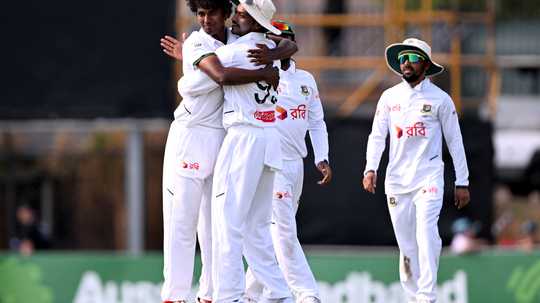
The claims emerged after Dhaka Division Second XI defeated Khulna Division Second XI by an innings and 35 runs in the final at Purbachal on Friday. Dhaka’s emphatic win secured the competition’s first title, but the result has since been accompanied by questions about whether the ball was manipulated during the match.
What has been alleged?
An official associated with Dhaka Division Second XI told Cricbuzz that some players were applying Vaseline to the ball. The official, who spoke anonymously, alleged that the substance was kept on players’ fingers and transferred to the ball during routine handling.
According to the account, Vaseline could make the ball heavier or change the way it travels through the air, helping bowlers produce reverse swing or causing the ball to skid off the pitch. These claims have not been independently confirmed, and no official finding has established that any player or team breached cricket’s regulations.
The reported method is one reason the allegation may be difficult to investigate. If a substance is carried on a player’s hands or hair, it may be transferred during ordinary contact with the ball, making it harder for officials to identify when, where or by whom it was applied. The Dhaka official also claimed that an odourless product was used, which would make detection by smell unlikely.
Umpire response and the lack of a formal complaint
The same official said concerns were raised with umpires during the competition, but alleged that match officials were unable to identify the practice. Other people familiar with the NCL have reportedly suggested that umpires did not act on verbal warnings from teams.
However, Cricbuzz reported that the Bangladesh Cricket Board’s umpires committee had not received an official complaint about Vaseline being used to tamper with the ball. That distinction matters: a concern raised informally during a match is not the same as a documented report that can trigger a formal review, evidence-gathering process or disciplinary action.
Without a written complaint or clear supporting evidence, the allegations remain unproven. At the same time, the claims raise questions about how concerns are recorded and escalated in domestic cricket. If teams believe the ball has been altered, they need a transparent channel for reporting it, while umpires require clear procedures for inspecting the ball and documenting their observations.
Why ball condition matters in cricket
The condition of the ball is central to the contest between bat and ball. As a match progresses, the ball naturally wears down, and bowlers may use its changing surface to generate movement. Reverse swing—when an older ball moves unexpectedly in the air—can be a legitimate skill, but it depends on legal ball maintenance and the natural effects of wear.
That makes any allegation of an unauthorised substance particularly serious. If a foreign material changes the ball’s surface, weight or behaviour, it could influence a passage of play and undermine confidence in the fairness of the contest. The concern is not limited to whether a particular delivery produced a wicket; it is also about ensuring that every side competes under the same rules.
Cricket’s laws and playing conditions restrict the deliberate alteration of the ball through unauthorised means. Officials are responsible for monitoring its condition, while players are expected to handle it only in permitted ways. When a suspected breach is difficult to see, consistent inspection and prompt reporting become even more important.
What the allegations could mean for Bangladesh’s domestic game
The NCL Second XI tournament is intended to provide a competitive platform for emerging and reserve players. A controversy involving ball tampering could therefore have consequences beyond the final, particularly if players and teams believe that questionable practices are widespread or that reports are not being investigated.
For the BCB, the immediate challenge is to establish the facts without treating an allegation as proof. A fair response could include collecting match reports, speaking with umpires and team representatives, and reviewing any available footage. If the evidence is insufficient, the board could still clarify how suspected ball tampering should be reported and what steps officials must take when a concern is raised.
Practical measures may also help. Pre-match briefings could remind players and umpires of the rules governing ball care, while standardised checks could make it easier to document changes in the ball’s condition. Clear guidance would protect both the integrity of the game and individuals who might otherwise face public accusations without a formal process.
Could the issue reach the first-class NCL?
The allegations have also prompted attention to the country’s traditional first-class National Cricket League, which is ongoing. It remains unclear whether the alleged practice has occurred beyond the Second XI competition. There is no confirmed evidence in the report that it has, but the possibility has become part of the wider discussion around oversight in Bangladesh’s domestic cricket.
For supporters following the competition, the next development is likely to be the BCB’s response: whether it receives a formal complaint, opens an inquiry or issues guidance to match officials. Any prediction about disciplinary action or changes to tournament procedures would be premature until the board establishes what happened and whether the available evidence supports the claims.
Dhaka’s innings victory over Khulna remains the official result of the final. Yet the Vaseline allegations have shifted attention from the trophy to the safeguards that protect fair play. A careful, transparent review would help distinguish substantiated evidence from rumour—and reassure players and fans that concerns about the ball are handled consistently across Bangladesh cricket.