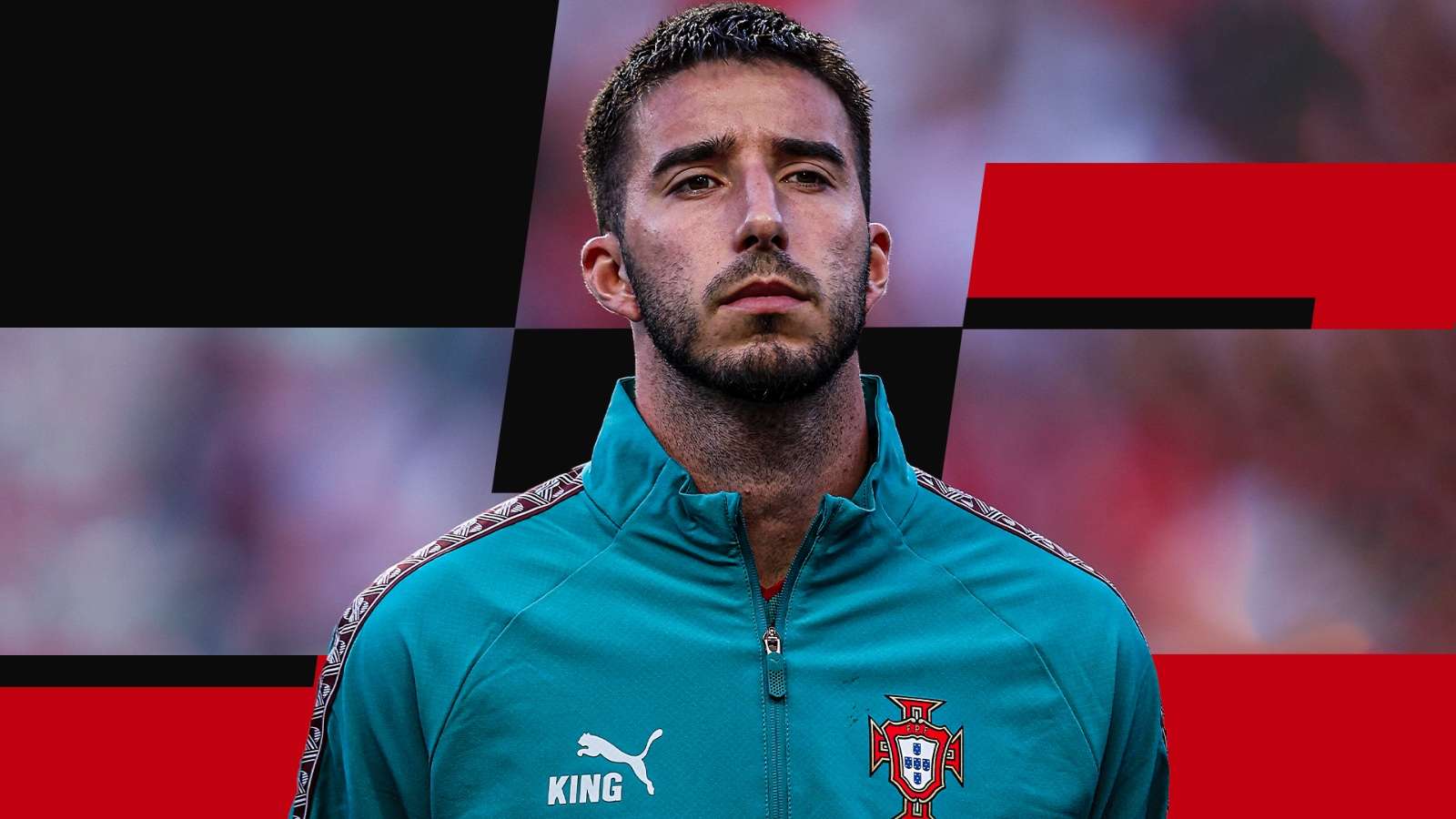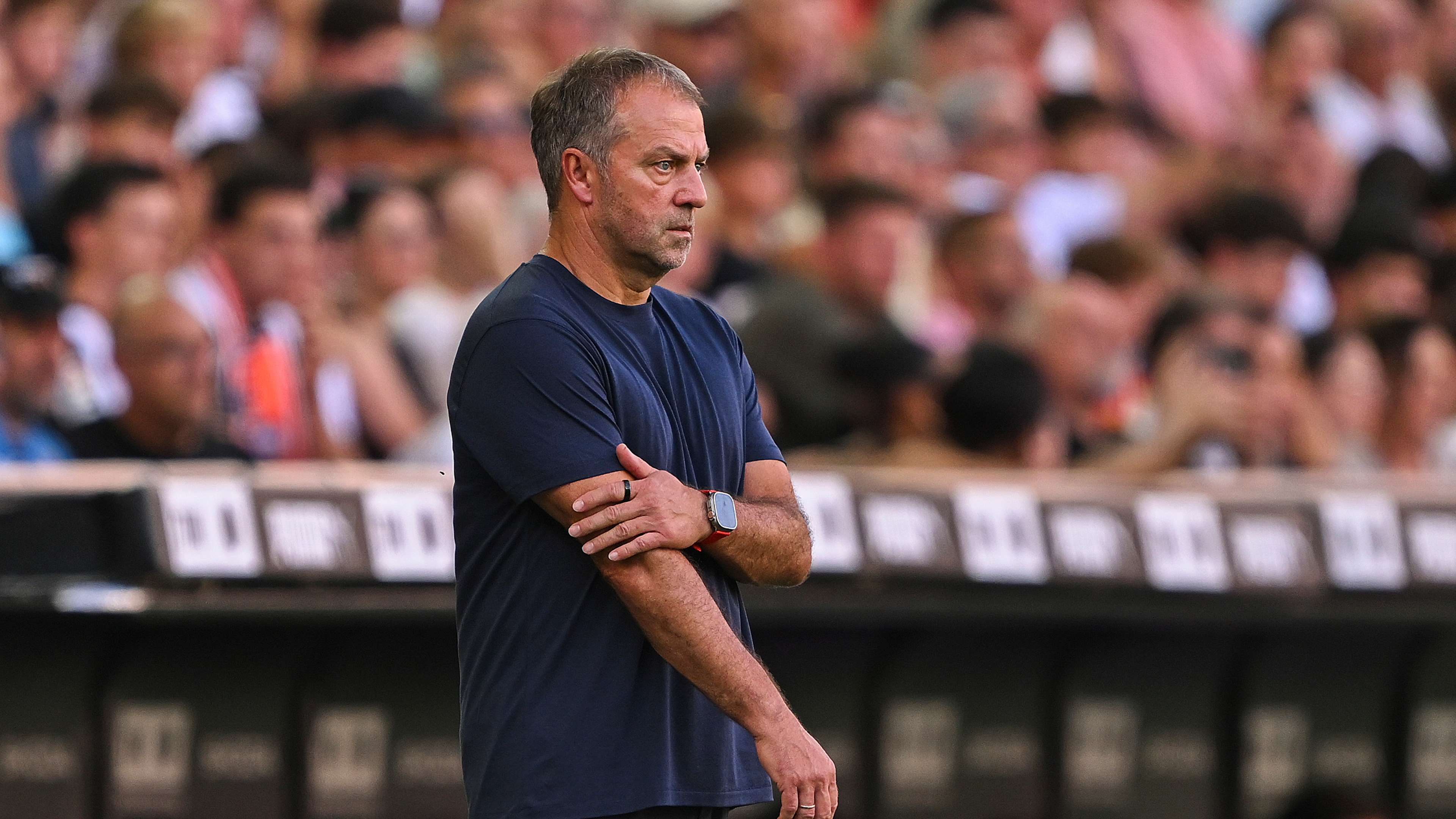

Herbert Hainer Offers Florian Wirtz Support but Rules Out Bayern Munich Move
Bayern Munich president Herbert Hainer has voiced sympathy for Florian Wirtz as the Germany international adjusts to life at Liverpool, but he has made clear that the Bavarian club is not preparing to bring the midfielder back to the Bundesliga. Despite the scrutiny surrounding Wirtz’s early performances in English football, Hainer’s comments amount to support rather than a transfer invitation.
Wirtz arrived at Anfield with a formidable reputation after establishing himself as one of Europe’s most exciting attacking midfielders at Bayer Leverkusen. Expectations were naturally high: Liverpool had recruited a technically gifted player capable of creating chances, carrying the ball through pressure and influencing matches in the final third. Yet adapting to a new club, league and tactical environment can take time, even for a player with his talent.
Why Wirtz’s Liverpool adaptation is attracting attention
When a high-profile signing does not immediately produce the numbers or performances supporters expect, discussion quickly turns to whether the player is struggling. In Wirtz’s case, that conversation is intensified by the contrast between his established role at Leverkusen and the demands he faces at Liverpool. A change of team can mean different responsibilities, new combinations with teammates and less familiarity with the movement patterns around him.
Premier League football also presents a distinct challenge. Matches can be played at a relentless tempo, with opponents pressing aggressively and leaving little time to turn or pick a pass. A creative midfielder must often make decisions in a fraction of a second, while also contributing to defensive work and helping the team maintain its shape. Those adjustments can affect a player’s rhythm before his influence becomes fully visible.
That is why an early spell should not automatically be treated as a verdict on a signing. Wirtz’s quality was developed over several seasons, not a handful of high-pressure appearances. Liverpool will want to give him the opportunity to find his best position, build understanding with his teammates and become more comfortable with the club’s approach to possession and pressing.
Hainer’s comments are sympathetic, not a transfer signal
Hainer’s response reflects an appreciation of the pressure Wirtz is facing, particularly given the attention that follows a major transfer. The Bayern president’s sympathy should not, however, be interpreted as evidence that the Munich club intends to intervene. He has indicated that Bayern will not provide an exit route from Anfield, leaving the immediate focus on Wirtz’s development at Liverpool.
The distinction matters because Bayern have long been associated with Germany’s leading players. Wirtz’s performances for Leverkusen made him a natural subject of transfer speculation, and his status as an international star has continued to attract interest. But admiration for a player does not necessarily mean a club is preparing a bid. Hainer’s position makes clear that Bayern are not presenting themselves as a destination should the midfielder’s adaptation become difficult.
For Liverpool, that message may help keep attention on the football rather than on rumours about a possible return to Germany. Wirtz is under contract at Anfield and has joined a club that expects its recruits to contribute over the long term. The most realistic measure of his progress will be how he develops within Liverpool’s system, rather than whether another major club is mentioned in connection with him.
What Liverpool need from their new playmaker
Wirtz’s value is not limited to goals and assists. He can operate between the lines, combine in tight spaces and draw defenders out of position, creating room for teammates to attack. Even when he does not make the final pass, his movement can help Liverpool progress the ball and create better opportunities for forwards and overlapping full-backs.
His influence may grow as his understanding with Liverpool’s attacking players improves. A playmaker’s effectiveness depends heavily on timing: when a forward makes a run, where a winger expects the ball and how quickly midfielders support an attack. Those relationships are built through training and repeated match situations. As familiarity increases, Wirtz may be able to play with greater confidence and make the kind of instinctive decisions that marked his best football in Germany.
There is also a tactical question. Liverpool may use Wirtz in different roles depending on the opponent, the availability of other midfielders and the match situation. He could be asked to create from a central position, drift into wider areas or press high when the team loses possession. Finding the right balance between freedom and defensive responsibility will be important to ensuring that his creativity benefits the whole side.
Patience may be the key to a fair prediction
Any prediction about Wirtz’s Liverpool future should account for the uncertainty that comes with a major move. A slow start does not guarantee that a player will fail, just as a promising first month does not ensure a smooth season. Injuries, tactical changes, competition for places and the form of teammates can all influence how quickly a new signing settles.
For supporters, the useful indicators may be broader than headline statistics. Is Wirtz finding more space between opposition lines? Is he linking effectively with Liverpool’s forwards? Is he becoming more involved in build-up play and pressing? Those signs can show that he is adapting, even before goals and assists arrive consistently.
Hainer’s remarks therefore offer a measured perspective: he recognises the difficulty of Wirtz’s situation without suggesting that Bayern Munich will step in. The German midfielder’s next chapter remains at Liverpool, where patience, tactical clarity and growing chemistry could prove more important than the noise surrounding his early results.
For now, the football prediction is not that Wirtz needs an escape from Anfield, but that his progress should be judged over a meaningful stretch of time. Liverpool invested in a player with exceptional creative potential, and the challenge is to help that ability translate into consistent Premier League performances. If he settles into his role and builds strong connections across the team, the conversation may soon shift from a slow start to the impact he was signed to make.