
Rodri’s rise gives Hansi Flick a Barcelona dilemma: confidence versus fatigue
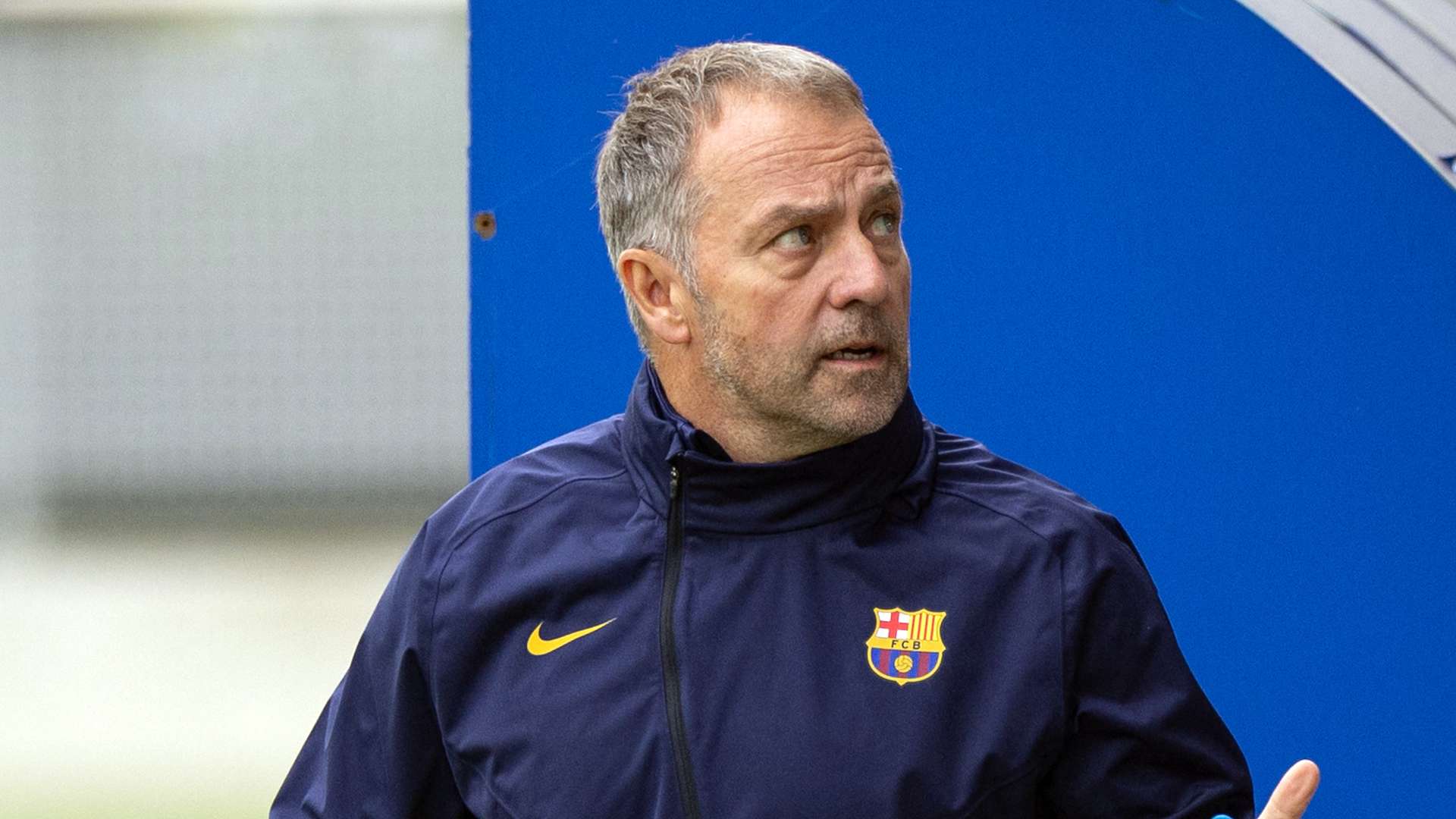
Rodri’s arrival at Barcelona has quickly reshaped the club’s midfield—and created a difficult decision for Hansi Flick. The summer signing has become one of the German coach’s most trusted players, but his growing importance has brought a pressing question into focus: how can Barcelona keep relying on Rodri without overloading him?
When the transfer was completed, some observers questioned whether Barcelona needed another central midfielder. The squad already included Pedri, Fermín López, Dani Olmo, Gavi, Marc Bernal, Frenkie de Jong and other options. Yet Rodri needed only a short time to make his case. His composure in possession, defensive awareness and ability to connect the lines have helped establish him as a central part of Flick’s plans.
From a crowded midfield to a trusted trio
With eight midfielders competing for three places when the squad is fit, Flick faced a selection challenge from the outset. Rather than rotate constantly, he has built a reliable core around Rodri, Pedri and Fermín López. That combination gives Barcelona a balance of control, energy and forward movement, while allowing the team to press aggressively and recover the ball quickly.
Rodri’s influence is reflected in his playing time. He has accumulated around 900 minutes, a total surpassed at the club by only Lamine Yamal, Joan García and Pau Cubarsí. For a player who arrived after an interrupted preparation period, that workload is striking—and it helps explain why questions about his physical management have become part of the wider conversation around Barcelona’s season.
A careful start after a disrupted pre-season
Rodri did not arrive in ideal physical circumstances. His summer was affected by Spain’s World Cup celebrations, limited recovery time and back pain that required a minor procedure. The problem disrupted his first training sessions, making a gradual return to full fitness essential.
Barcelona’s coaching and medical staff therefore prepared a tailored programme to help him adapt. Rodri later described the intensity of Flick’s training in an interview with Cope, admitting that he had expected a more relaxed routine built around short passing and possession. Instead, he encountered demanding physical sessions that left him wondering what he had signed up for.
His introduction to competitive football was measured. He missed Barcelona’s opening league match against Elche, which came only days after his signing was announced. Against Athletic Bilbao and Rayo Vallecano, he began on the bench and played 27 and 26 minutes respectively. The approach suggested that the club intended to build his match fitness step by step rather than rush him into a full role.
Rodri becomes a regular—and the minutes add up
The turning point came at Mestalla, where Rodri made his first start for Barcelona in a 5-0 win over Valencia. He played 62 minutes, and from that point he became a regular in the La Liga starting line-up. His steady performances helped turn a promising signing into a key part of the team’s structure.
Across a demanding run of fixtures, Rodri featured for 83 minutes against Feyenoord, completed full matches against Levante, Sevilla, Galatasaray and Real Betis, and also played substantial minutes against Racing and Getafe. His role is not simply to break up opposition attacks. He provides an outlet under pressure, helps Barcelona dictate the pace and gives the more attack-minded midfielders freedom to move forward.
That reliability is valuable, particularly in a team built around high pressing and quick transitions. But it also means Barcelona can become heavily dependent on him. When Rodri is on the pitch, the side has a natural reference point in midfield. When he is rested, Flick must decide whether to preserve the same balance with another player or adjust the team’s shape.
The Paris decision sparks debate
The first major discussion about Rodri’s workload came before Barcelona’s Champions League meeting with Paris Saint-Germain. After two demanding appearances, he was named among the substitutes and entered only for the final half-hour. Barcelona lost the match, their first defeat of the campaign, and the decision attracted attention because the fixture offered an opportunity to gain an important advantage against one of Europe’s leading sides.
The club stressed that Rodri was not injured and had no physical discomfort. Flick said the choice was linked to workload management, with the trip to Real Madrid coming five days later. Rodri started the Clásico and played the full match, but Barcelona arrived at the contest after the setback against PSG and were unable to produce the response they wanted.
That sequence illustrates the difficulty of balancing short-term results with long-term fitness. Resting a leading midfielder in a major European match can look risky, especially when the team loses. Playing him in every important fixture, however, could leave him vulnerable to fatigue at a crucial point in the season.
A heavy schedule leaves Flick with little room to manoeuvre
The issue resurfaced in Barcelona’s recent match against Alavés. After the Catalans had built a four-goal lead by half-time, Flick substituted Pedri after 45 minutes, Raphinha after 28 and Lamine Yamal after 16. Rodri, however, remained on the pitch until the final whistle.
Keeping him on may have reflected his importance to the team’s control, even with the result apparently secure. Yet the contrast between his full match and the early withdrawals of several other key players renewed questions about whether Barcelona are managing his minutes consistently. A comfortable scoreline can offer a rare chance to reduce a player’s workload, particularly ahead of a congested run of fixtures.
The upcoming schedule makes the decision more significant. Barcelona face Aston Villa at Camp Nou before travelling to the Metropolitano to meet Atlético Madrid, with both matches carrying weight in the Champions League and La Liga race. The club will want to remain close to Europe’s leading sides while protecting its position at the top of the domestic table.
What Rodri’s workload means for Barcelona’s season
For supporters following football predictions and the form of Europe’s major clubs, Rodri’s availability is an important factor. His presence can strengthen Barcelona’s control in midfield, but the team’s results will also depend on whether Flick can keep the squad fresh across multiple competitions. A dependable rotation option could ease the pressure, though replacing Rodri’s combination of positioning and distribution is not straightforward.
Flick’s dilemma is therefore about more than choosing a starting XI. He must decide when Barcelona can afford to rest a player who has become central to its identity—and how to do so without weakening the team in high-stakes matches. Rodri’s rapid adaptation has been a major success for the club. The next challenge is ensuring that confidence in him does not turn into an unsustainable workload.
With crucial fixtures approaching, Barcelona need Rodri at his best, not merely available. How Flick handles the balance between trust and recovery could shape the team’s momentum in both La Liga and Europe.