
Giacomo Calò Keeps Italy Dream Alive After Frosinone Breakthrough
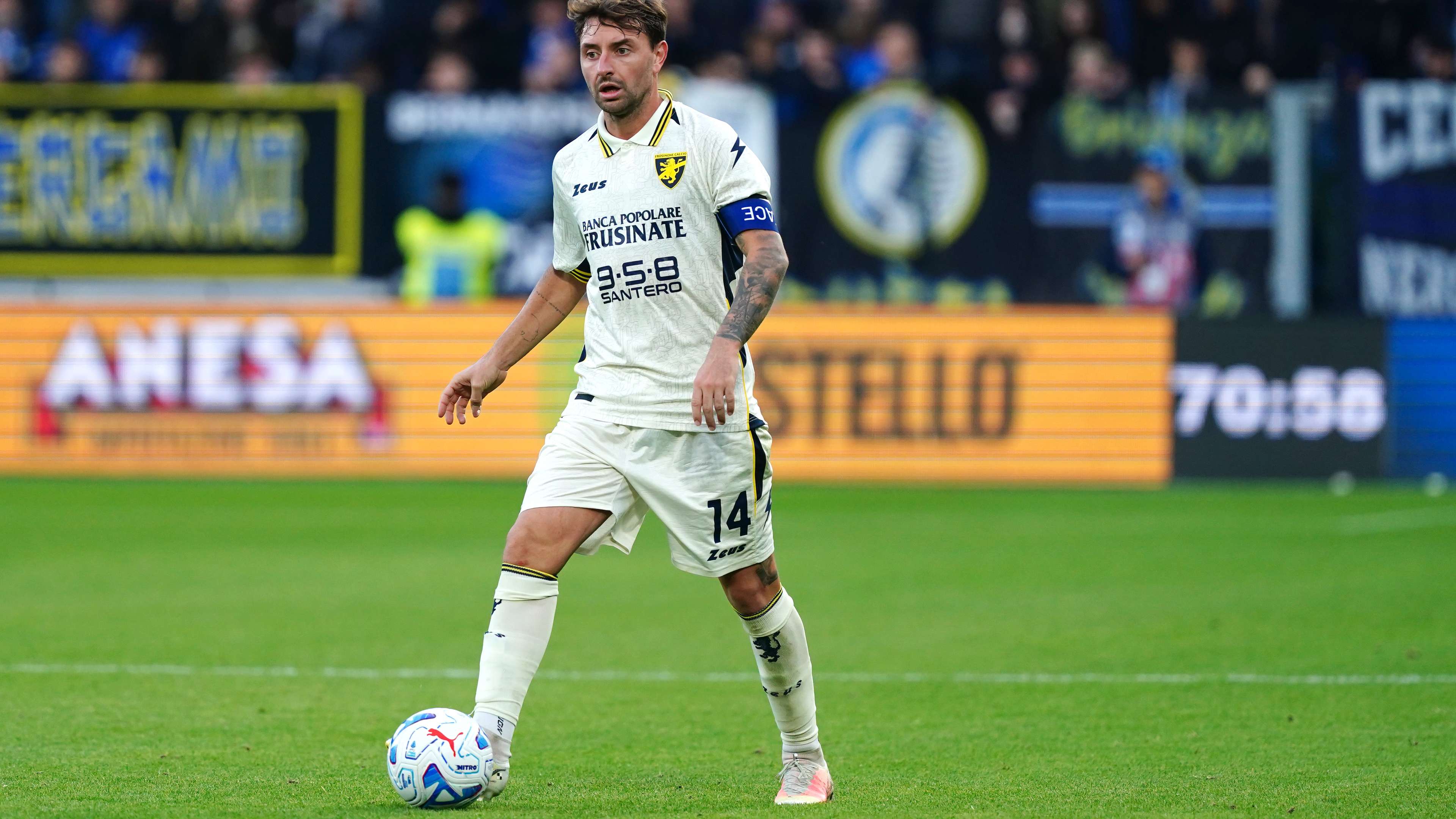
Frosinone midfielder Giacomo Calò has accepted that his age may count against him in the race for an Italy call-up, but the prospect of representing his country remains a powerful motivation. Now approaching his 30th birthday, the midfielder has attracted attention through his performances for Frosinone—and is beginning to hear his name mentioned in conversations about the national team.
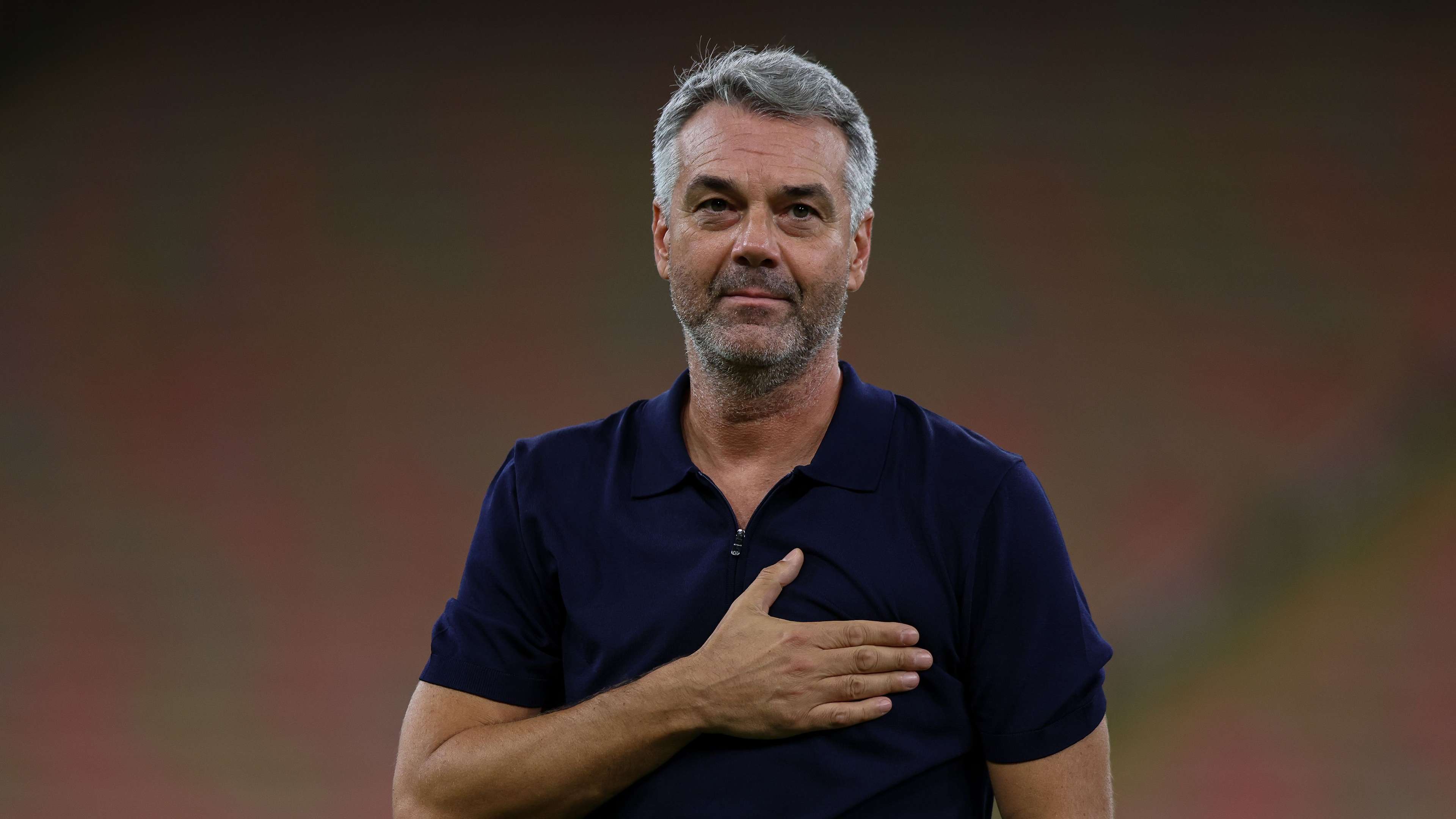
Italy head coach Roberto Mancini has not included Calò in his latest squad. His explanation was direct: Frosinone have several players in good form, but he does not intend to call up a 29- or 30-year-old simply because a representative has requested it. Mancini added that experienced players could be considered when the team needs them, while making clear that selection must be based on the coach’s judgment.
Mancini explains his decision
Mancini’s comments reflect the difficult choices facing an international manager. A promising run of club form can put a player on the radar, but national-team places are limited, and coaches must weigh current performance against tactical needs, competition for positions and the longer-term development of the squad.
In Calò’s case, Mancini acknowledged that Frosinone have three or four players performing well. That recognition is encouraging, even though it did not lead to a call-up. The coach’s remarks also suggest that age is part of the discussion—not necessarily a definitive barrier, but a factor that can influence how a player fits into plans extending beyond the next international fixtures.
For supporters following Italian football, the exchange offers a reminder that national-team selection is rarely a straightforward reward for good form. A player may impress at club level and still need to demonstrate consistency, suitability for a particular role and the ability to compete with established options.
Calò responds with patience and perspective
Speaking to La Gazzetta dello Sport, Calò responded without publicly challenging the decision. He acknowledged that turning 30 in February could put him at a disadvantage compared with younger players, especially when a coach is assessing the future shape of the national team.
Still, the midfielder has not given up on the possibility. “If I keep this up…” was the hopeful thought behind his response: maintain his level, keep contributing for Frosinone and see where his performances take him. He also admitted that he once worried he might never make a significant impression. Now, with discussion of an Italy call-up surrounding his name, the situation feels almost unreal.
That shift in perspective is central to Calò’s story. Rather than treating the national-team conversation as an entitlement, he appears to view it as evidence that his work is being noticed. For a player who feared his efforts might go unrecognised, even being discussed as a possible candidate represents a meaningful milestone.
Why the Italy conversation matters
For many footballers, representing their country is the highest honour the sport can offer. The opportunity is especially significant for players who reach the national-team conversation later in their careers, after years of trying to establish themselves at club level. Calò’s experience speaks to that persistence: a late-career opportunity can still emerge when strong performances change how a player is viewed.
His age may narrow the window for an international debut, but it does not automatically rule one out. Coaches sometimes turn to experienced players when they need reliability, tactical understanding or depth in a specific position. A sustained run of form can therefore keep a player in contention, even when younger alternatives are part of the longer-term plan.
For Calò, the clearest route to changing the discussion is likely to be continued consistency. That means contributing in midfield across the season, helping Frosinone meet their objectives and showing that his impact is not limited to a short spell. Strong club performances can strengthen a case for selection, although the final decision will always depend on the manager’s priorities and the needs of the squad.
Frosinone’s form could shape the debate
Calò is not the only Frosinone player attracting attention. Mancini’s reference to several performers at the club indicates that the team’s displays have caught the national coach’s eye. That broader recognition could bring added scrutiny—and opportunity—for players who continue to stand out as the season progresses.
For Frosinone, having multiple players discussed in connection with Italy is also a positive sign. It suggests that the club’s performances are producing individuals capable of competing at a high level. Their challenge will be to turn that attention into dependable results, while players such as Calò continue to build their reputations through their work on the pitch.
Supporters may naturally look for a prediction about whether Calò will eventually receive a call-up. At this stage, however, there is no guarantee. Mancini has made his position clear: selection will depend on footballing need and merit, not outside pressure. Calò’s best response is therefore the one he has already indicated—keep performing and let his form make the argument.
A dream, not a demand
Calò’s comments stand out because they combine ambition with realism. He understands the challenge created by his age and has accepted Mancini’s decision, but he has not allowed either to erase his dream. The fact that people are now linking him with Italy has turned a once-distant possibility into something he can imagine, even if it remains uncertain.
Whether a call-up arrives or not, the story highlights how a player’s career can take an unexpected turn. Calò once feared he would never make his mark; now, his performances for Frosinone have brought him into a national conversation. The next step is to sustain that level—and, in doing so, keep the Italy dream alive.