
Gerry Cardinale Eyes NBA Europe as AC Milan’s San Donato Plans Take Shape
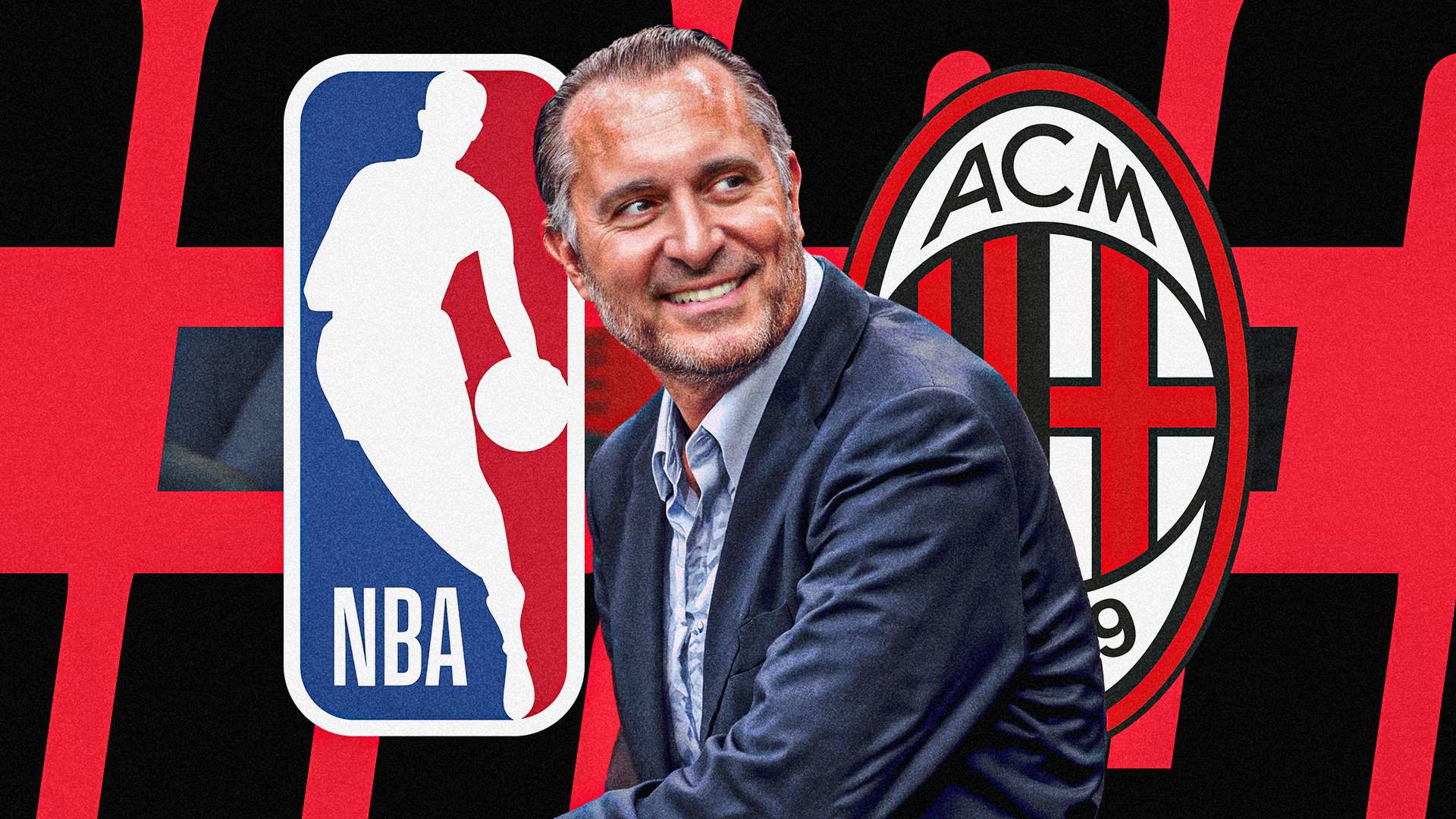
AC Milan owner Gerry Cardinale has offered a glimpse into an ambitious vision that could connect the club’s future beyond football. In a wide-ranging interview with La Repubblica, the head of RedBird Capital Partners discussed Milan’s derby, sporting decisions, transfer strategy and the appointment of Ruben Amorim, while also highlighting the long-term potential of the land the club acquired in San Donato.
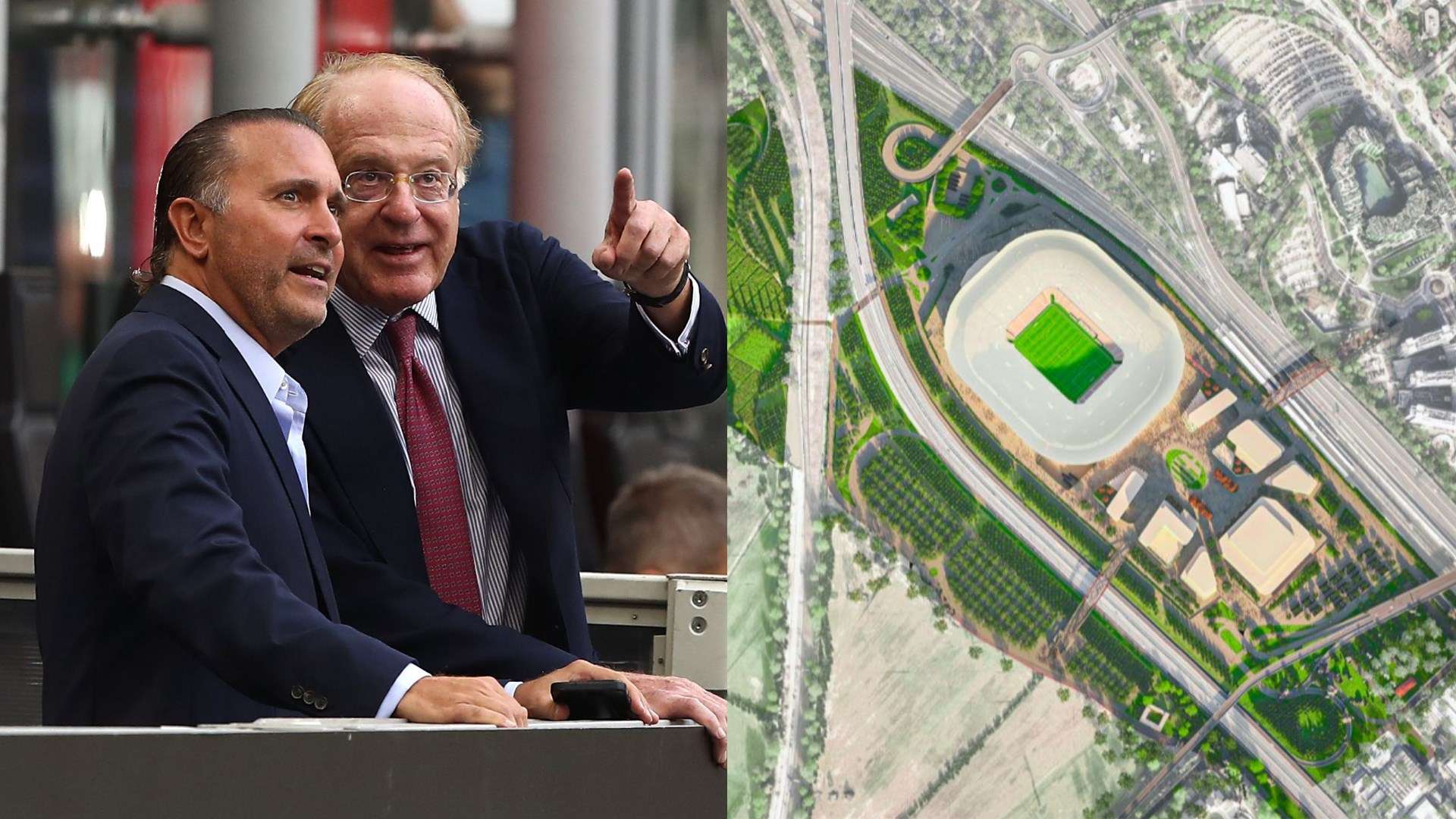
The comments came after the presentation of the proposed new Generali Stadium, placing renewed attention on Milan’s plans for modern facilities. Cardinale suggested that the San Donato area could eventually become more than a football venue: it may also accommodate an arena designed with the possibility of hosting NBA Europe in mind.
San Donato Could Become a Wider Sports and Entertainment Hub
For Milan, the stadium project is part of a broader effort to create infrastructure capable of supporting the club’s ambitions on and off the pitch. A modern home could provide improved matchday facilities, generate new commercial opportunities and offer supporters a more complete experience. Cardinale’s remarks indicate that the surrounding site may be developed with a wider mix of sporting and entertainment uses rather than being limited to football alone.
The possibility of an arena is especially notable because it would open the door to basketball events alongside Milan’s football operations. Cardinale has previously shown interest in the business potential of live sport, and an NBA Europe competition could represent an opportunity to bring a major international property to the continent. His comments point to an ambition to be part of that conversation, although they do not confirm that a team, league agreement or construction schedule has been finalized.
Why NBA Europe Is Drawing Attention
European basketball already has a large and passionate audience, supported by established domestic leagues and continental competitions. A new NBA-backed project could reshape that landscape by combining the league’s global brand with Europe’s strong basketball culture. The precise format, participating cities and timetable remain subjects of speculation, but the prospect has attracted interest from sports investors and venue operators.
For Milan, the appeal would be strategic as well as sporting. A multi-purpose arena could host basketball, concerts and other major events throughout the year, helping to keep the site active beyond football matchdays. That kind of year-round programming can strengthen a venue’s business case, diversify revenue and make an area more attractive to visitors and commercial partners.
However, turning the idea into reality would depend on several factors: planning approvals, financing, construction costs, league arrangements and the final structure of any NBA Europe competition. Cardinale’s comments should therefore be viewed as a signal of interest and long-term thinking, rather than confirmation that Milan is already committed to launching a basketball franchise.
What the Stadium Vision Could Mean for AC Milan
Modern stadiums have become increasingly important to the finances and competitiveness of leading football clubs. A privately controlled venue can give a team greater influence over ticketing, hospitality, sponsorship and non-matchday events. It can also allow clubs to improve facilities for supporters, players and staff while creating a stronger identity around the stadium.
That context helps explain why the San Donato project matters to Milan’s wider development. A new stadium could provide the club with a more dependable source of income than relying solely on results, player transfers and broadcasting revenue. Additional uses, such as an arena or entertainment spaces, could further broaden the site’s commercial appeal—provided the plans are financially sustainable and receive the necessary approvals.
There are practical challenges, too. Large developments require significant investment and careful coordination with local authorities and communities. Transport links, environmental considerations, construction timelines and the impact on nearby residents will all influence whether the vision can progress. For supporters, the key question will be whether the project delivers a better matchday experience while preserving the club’s connection with its fan base.
Football Decisions Remain Central to Cardinale’s Agenda
While the stadium and basketball possibilities attracted attention, Cardinale’s interview also covered the immediate concerns that shape Milan’s season. The derby remains one of the defining fixtures in the club’s calendar, carrying sporting and emotional importance for players and supporters alike. Discussions about on-pitch performance, recruitment and coaching decisions underline that infrastructure plans cannot replace the need for success on the field.
The mention of Ruben Amorim’s confirmation also places the club’s sporting direction in focus. Any major appointment brings expectations around style of play, squad development and results. For Milan, the challenge is to align those football priorities with the longer-term business strategy: investment in the team must support competitiveness, while commercial growth can help provide resources for future development.
Transfer planning will be another important part of that balance. Recruitment decisions involve more than signing high-profile players; clubs must identify talent that fits the coach’s approach, the squad’s needs and the financial framework. Milan’s ability to make those choices effectively will influence how quickly the club can turn its ambitions into tangible progress.
Prediction: An Ambitious Plan, but Still at an Early Stage
The most cautious prediction is that Milan will continue exploring the possibilities around San Donato before making firm commitments to a multi-sport complex. The stadium remains the central piece of the development, while an arena linked to NBA Europe appears to be a potential extension of the broader vision. Whether that opportunity advances will depend on the league’s plans and the commercial and regulatory details behind the project.
If the concept moves forward, Milan could benefit from a venue designed to serve several audiences and generate activity throughout the year. It could also strengthen the club’s position as an international sports and entertainment brand. But the idea will need to be judged on execution, not ambition alone: construction, financing and community impact will determine whether the proposal becomes a workable project.
For now, Cardinale’s remarks offer an intriguing indication of how RedBird sees Milan’s future. The club’s immediate focus remains football—performances, results and squad building—but its longer-term strategy may reach well beyond the pitch. If San Donato develops into a destination for both football and basketball, the project could mark a significant shift in how AC Milan approaches its stadium, its business and its place in European sport.