
Catalan newspaper: Real Madrid won with the referee’s help, Mundo Deportivo claims
Mundo Deportivo has sharply criticized Real Madrid’s 3-0 victory over Racing Santander, arguing that a disputed early penalty helped shape the outcome. The Catalan newspaper’s provocative headline described the result as a win for a club “known for its tricks and suspicious deals,” alleging that Real Madrid beat Racing with the referee’s help.
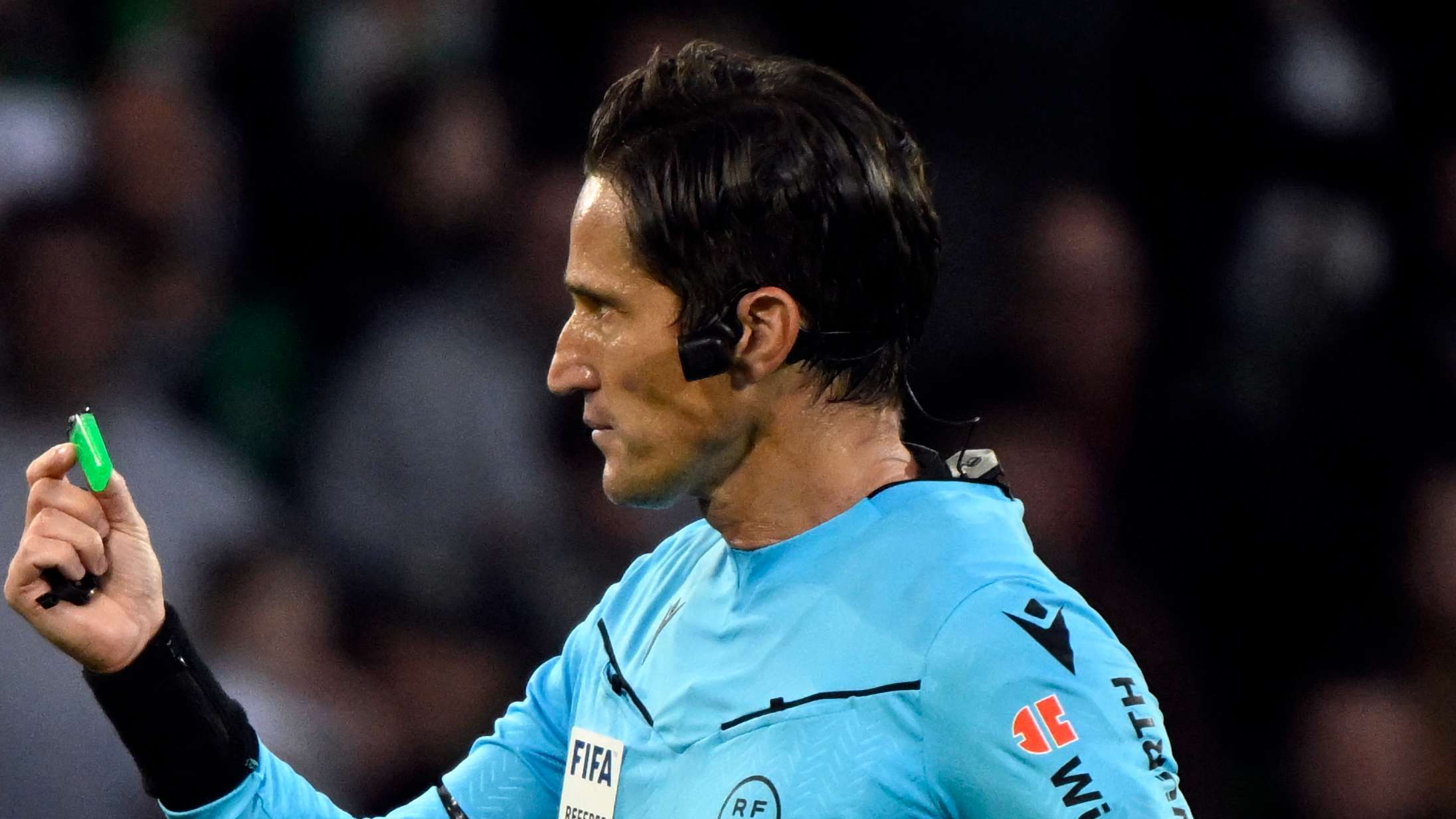
The central controversy came around 10 minutes into the match, when referee Munuera Montero awarded a penalty after Kylian Mbappé went down in the area during contact with Racing defender Mateo Prati. Mbappé converted the spot kick to give Madrid an early lead. Mundo Deportivo questioned whether the contact was enough to justify a penalty, suggesting the referee saw a foul where others might not have.
A penalty that changed the mood of the match
Racing had begun with determination, but the opening goal gave Real Madrid an immediate advantage and altered the pressure on both teams. For the visitors, the decision was a source of frustration; for Madrid, it offered a platform from which to control the contest. Mundo Deportivo presented the call as a decisive turning point, while the final score also reflected Madrid’s quality in attack and Racing’s difficulty containing the hosts.
That distinction matters when assessing the result. A contentious decision can influence a football match without explaining every moment that follows. After Mbappé’s penalty, Madrid created further chances and showed the attacking depth that has helped the team build momentum across domestic and European competition. The win extended its run of consecutive victories to six, according to the report.
Güler and Bellingham combine for Madrid’s second
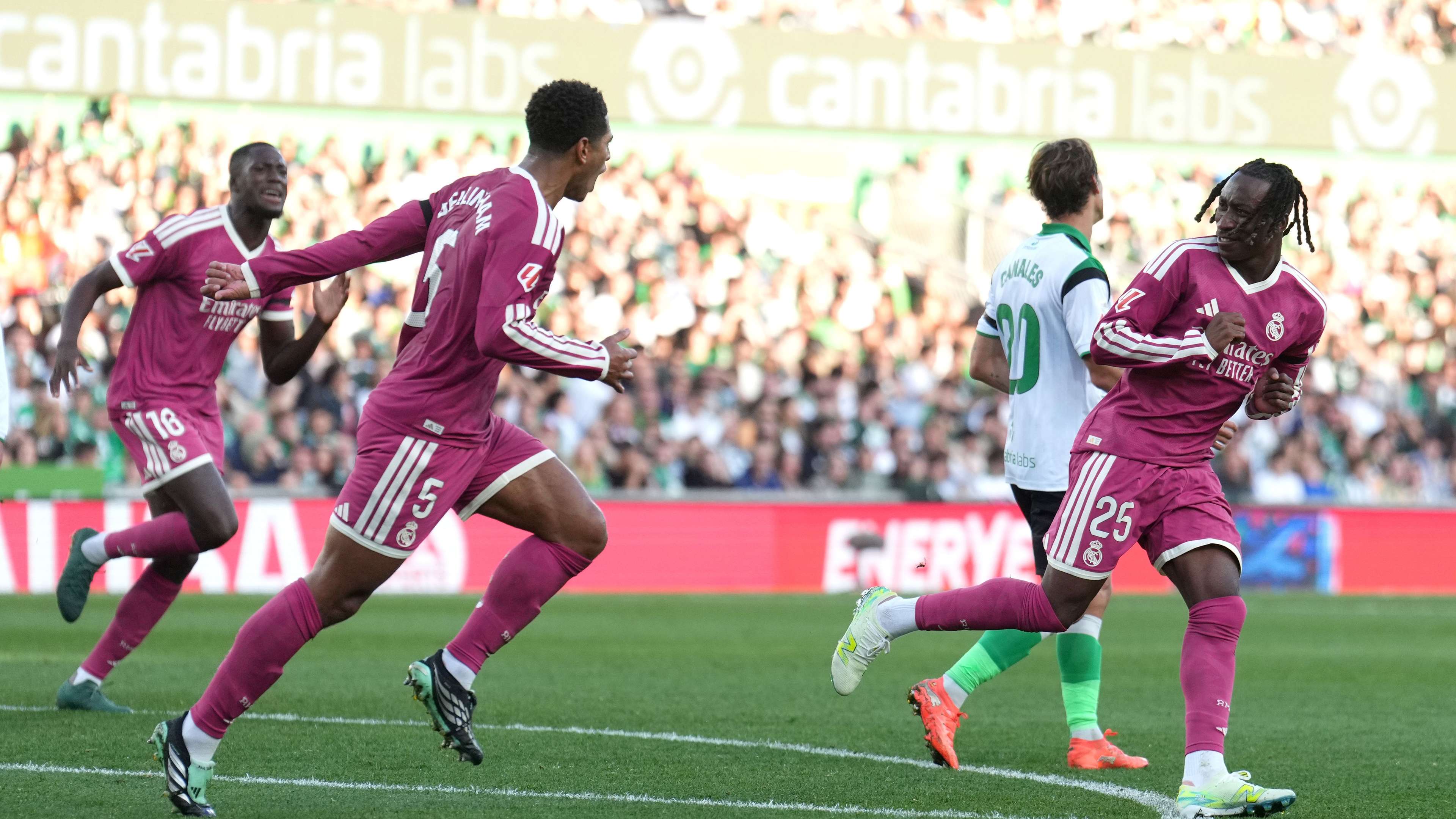
Real Madrid’s second goal showcased a different side of the performance. Arda Güler supplied Jude Bellingham with a well-timed pass, allowing the England international to move beyond goalkeeper Aguirrezabala and finish into an unguarded net. The combination highlighted the understanding between two creative players and gave Madrid a two-goal cushion.
That goal also underlined why Madrid can be difficult to contain even when the match is surrounded by controversy. Güler’s vision and Bellingham’s movement turned a promising opening into a clear scoring opportunity. For Racing, the challenge became more complicated: it had to chase the game while remaining alert to Madrid’s pace and technical quality in transition.
Diomande adds a third before the break
The third goal arrived after Racing was further disrupted by an injury to Álvaro Mantilla. With the visitors struggling to reorganize, Yan Diomande produced a powerful effort from the edge of the penalty area, sending the ball into the top corner. The strike made it 3-0 before halftime and left Racing facing a steep task in the second half.
Mundo Deportivo linked the timing of the goal to Racing’s defensive difficulties following Mantilla’s injury. Still, Diomande’s finish was a moment of individual quality, and the scoreline reflected Madrid’s ability to punish gaps when they appeared. The goal effectively put the result beyond reach, even though Racing continued to compete after the break.
VAR review and a disallowed Bellingham goal
The second half brought further talking points. Racing tried to press forward and find a route back into the match, but Madrid remained dangerous. Mbappé came close to scoring again, first striking the post and later sending another attempt over the crossbar.
There was also a handball appeal involving Aurélien Tchouaméni. Munuera Montero initially pointed to the penalty spot, but a VAR review led him to reverse the decision. Mundo Deportivo reported that the ball had rebounded from Tchouaméni’s foot onto his hand, a detail that formed the basis for cancelling the penalty. The episode added another layer to an afternoon in which refereeing decisions were under close scrutiny.
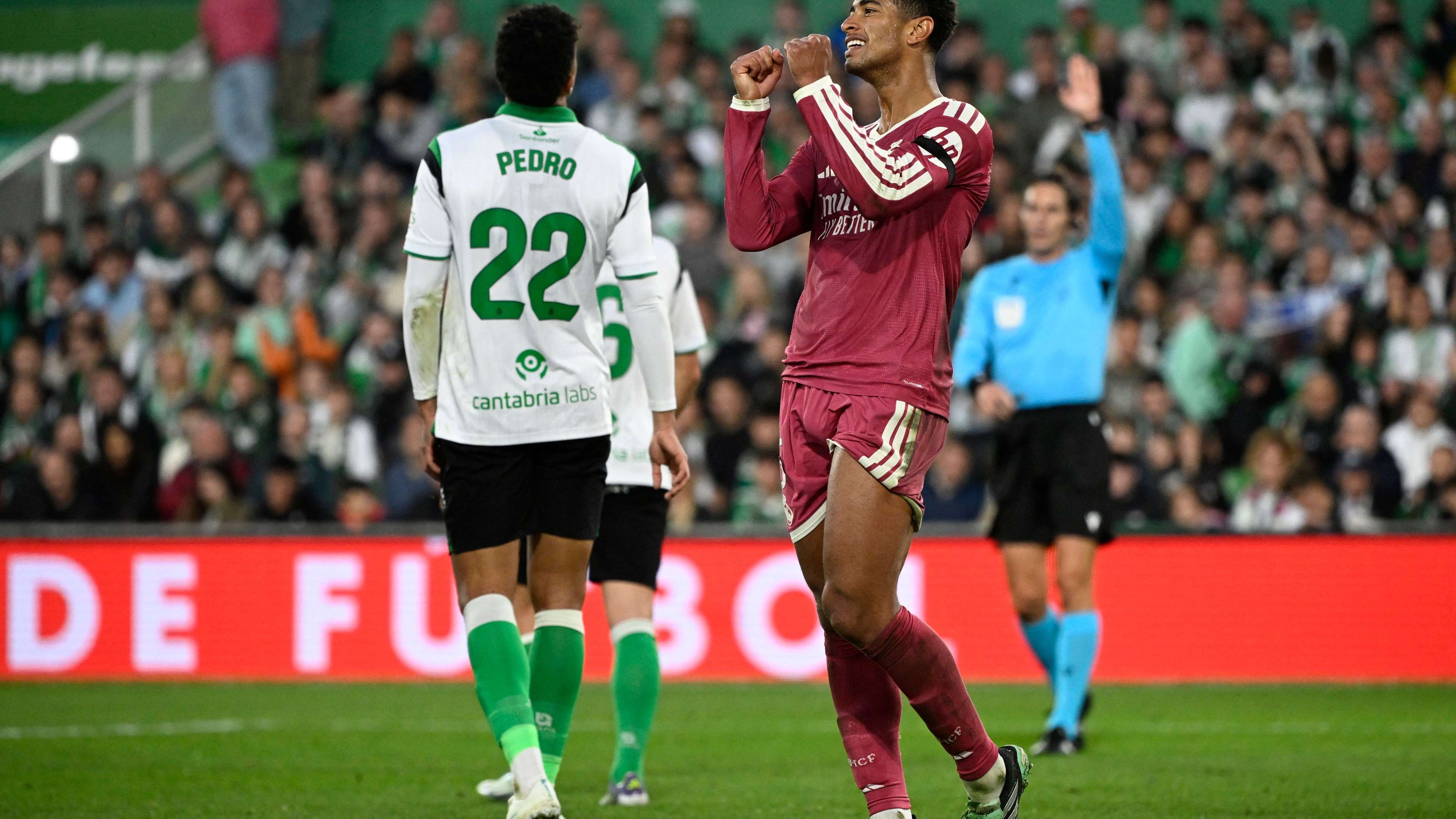
Bellingham later appeared to score a fourth goal, only for it to be ruled out for offside. By that stage, Madrid already had a comfortable lead, and the disallowed finish did little to change the match’s direction. Racing could not turn its second-half pressure into a goal, while Madrid managed its advantage and secured the three points.
What the result means—and the prediction debate
The post-match argument is likely to focus on whether the first penalty was correctly awarded. Mundo Deportivo’s strong language reflects the intensity of the rivalry surrounding Real Madrid, but the decision should be considered alongside the full performance rather than treated as the only explanation for the score. Madrid scored three times, created additional chances and limited Racing’s ability to make its pressure count.
For supporters following the wider football picture, the result strengthens Madrid’s position and adds confidence ahead of its next fixtures. The team’s attacking connections, particularly the link-up between Güler and Bellingham, offer encouraging signs. Racing, meanwhile, will need to regroup and focus on defensive organization, especially when injuries force changes during a match.
Any prediction for Madrid’s upcoming games will depend on more than this result. The side’s winning run and attacking form make it a formidable opponent, but controversial calls can become a distraction if they dominate the conversation. The clearest takeaway is that Madrid left with a 3-0 victory, while Mundo Deportivo left readers with a pointed question about how the match began: was the opening penalty a fair decision, or did the referee give the home side an important early advantage?