
Barcelona vs Real Madrid: El Clásico Takes Place Under Heightened Security
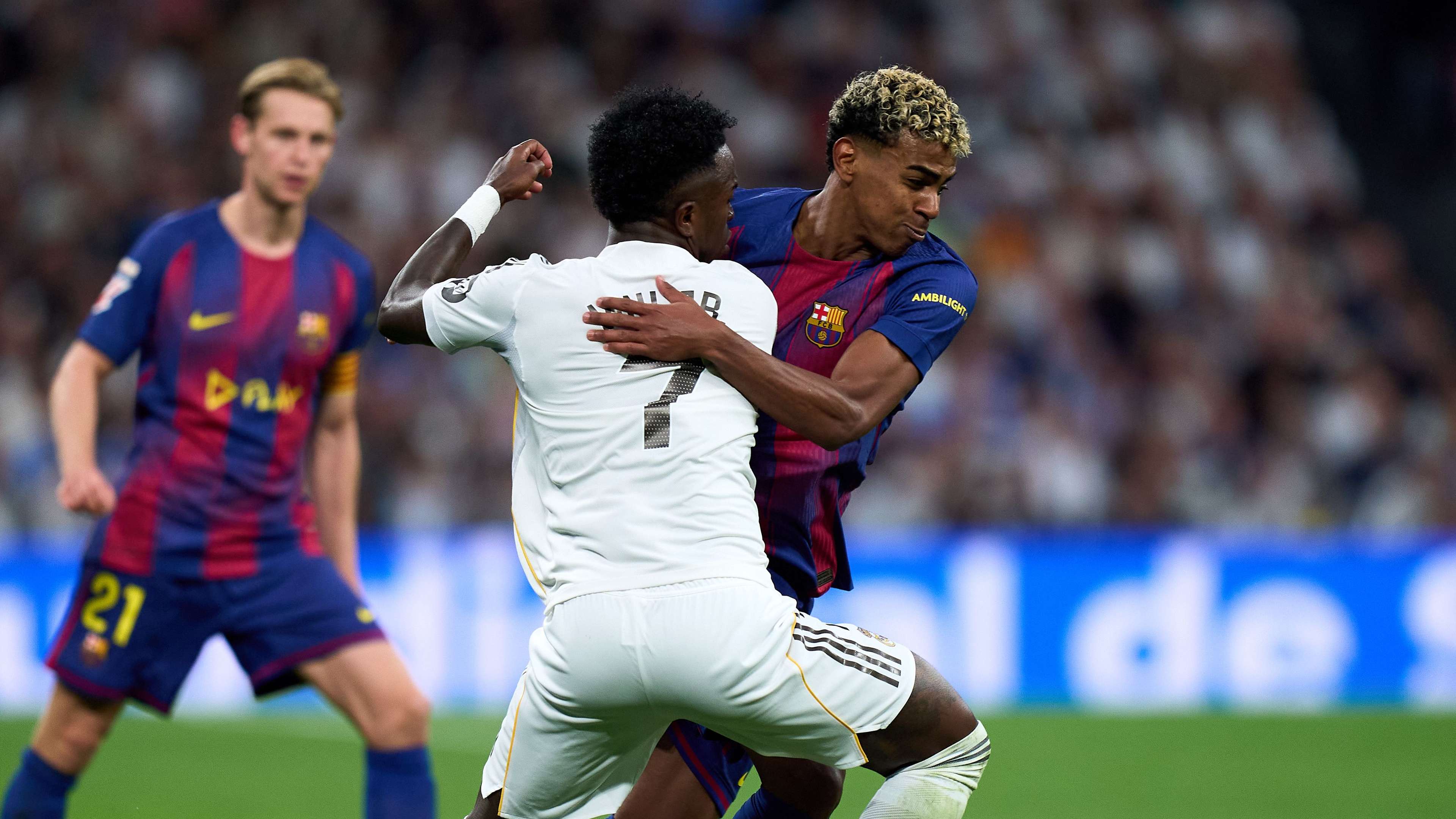
Barcelona and Real Madrid meet at the Spotify Camp Nou on Sunday evening for one of the most anticipated fixtures in Spanish football. The La Liga clash, scheduled for the competition’s tenth round, arrives with attention focused not only on the rivalry between the two clubs but also on security in the Catalan capital after a night of unrest in the city centre.
Authorities had already designated El Clásico as a high-risk event several days before the disturbances. The latest developments have sharpened questions about crowd control, public safety and how officials will manage the movement of supporters around the stadium on match night.
Unrest in Barcelona Raises Security Concerns
Rioting broke out in central Barcelona on Saturday evening, with reports of vandalised shops, damaged property and fires. Around 100 people were arrested, according to the initial account of the events. The unrest has placed additional pressure on the security operation surrounding a fixture that routinely draws large crowds, intense media coverage and supporters from across Spain and beyond.
Although the disturbances took place ahead of the match, their timing has made them an immediate concern for local officials. A major football event can bring thousands of people into the same areas at once, including ticket holders, visiting fans, residents and people travelling through the city. Authorities therefore face the challenge of protecting the public while keeping access routes and transport services operating as smoothly as possible.
The high-risk classification is not, by itself, evidence that a specific incident is expected at the stadium. Rather, it reflects the scale and profile of the fixture, as well as the need for coordinated planning. The unrest adds a new layer to that preparation and is likely to encourage closer monitoring of public spaces before and after kick-off.
What a High-Risk Classification Means for Matchday
High-profile football matches typically require cooperation between police, stadium security, transport operators and local authorities. Measures can include checks at entry points, crowd-management barriers, patrols near the venue and plans for separating groups of supporters where necessary. The precise arrangements for Sunday’s game were not detailed in the original report, so fans should rely on official club and authority updates for confirmed information.
Supporters travelling to the Spotify Camp Nou may benefit from planning their journey in advance, allowing extra time and following instructions from stewards and police. Checking transport notices before leaving, avoiding restricted areas and using designated entrances can help reduce delays and make arrival safer. Anyone attending should also be alert to changes in access arrangements, particularly if crowd-control measures are adjusted during the day.
For residents and visitors who are not going to the match, the same practical advice applies: check local travel information and follow guidance issued by authorities. Major fixtures can affect traffic and public transport even when the match itself proceeds without disruption. The situation in central Barcelona may also lead officials to adjust patrols or close selected streets as conditions require.
El Clásico’s Sporting Stakes Remain Central
Despite the security backdrop, the football itself remains the main attraction for millions of viewers. Barcelona and Real Madrid share one of the sport’s most closely followed rivalries, with every meeting carrying significance beyond the league table. The tenth-round timing gives the contest an important place in the early-season picture, when results can influence confidence, momentum and the pressure surrounding both teams.
El Clásico is often shaped by more than individual talent. Tactical discipline, composure under pressure and the ability to manage the match’s emotional intensity can all prove decisive. A fast start may energise the home crowd, while a controlled performance from the visitors could quieten the stadium and shift the contest toward a more measured battle. Set pieces, transitions and substitutions may also become crucial as the game develops.
For supporters considering a football prediction, the circumstances around the fixture add context but do not determine the result. Security conditions may affect the matchday experience, yet the outcome will still depend on the teams’ preparation, selection, tactics and execution. Form, injuries and recent performances should be weighed alongside the pressure that naturally accompanies a rivalry of this scale. Any prediction remains uncertain: El Clásico has repeatedly shown that expectations can be overturned by one moment of quality or a costly mistake.
Why the Atmosphere Matters
The setting is an essential part of the occasion. A packed stadium can create a powerful atmosphere, but that intensity also makes calm organisation important. Supporters contribute to the spectacle through their noise and loyalty; responsible behaviour helps ensure that the focus stays on the players and the contest. Clubs and authorities alike have an interest in making the event safe for fans, staff, journalists and nearby residents.
Sunday’s match therefore carries two parallel stories. On the pitch, Barcelona and Real Madrid will compete for a result in a fixture with major sporting and symbolic weight. Across the city, officials will be working to maintain public order following Saturday’s unrest and to manage the demands of a high-profile match. Keeping those issues distinct is important: the reported disturbances do not establish that the game itself will be affected, but they explain why security planning is receiving extra attention.
Fans Await Kick-Off Amid Uncertainty
As kick-off approaches, supporters will be watching for updates on transport, stadium access and any official safety guidance. The most reliable information will come from the clubs, local authorities and transport providers, rather than speculation circulating online. Fans should follow those channels and avoid sharing unverified claims that could create unnecessary confusion.
El Clásico remains one of the defining events in Spanish football, combining sporting quality with a rivalry that attracts a global audience. This edition begins in a tense atmosphere after the events in central Barcelona, making careful preparation especially important. If the security operation proceeds effectively, attention can return to the football: the tactics, the individual performances and the result that will shape the early-season conversation. For now, the city faces a demanding matchday, while fans await a contest that promises drama both on and off the pitch.