
Raphinha’s quiet night as Barcelona beat Atlético Madrid
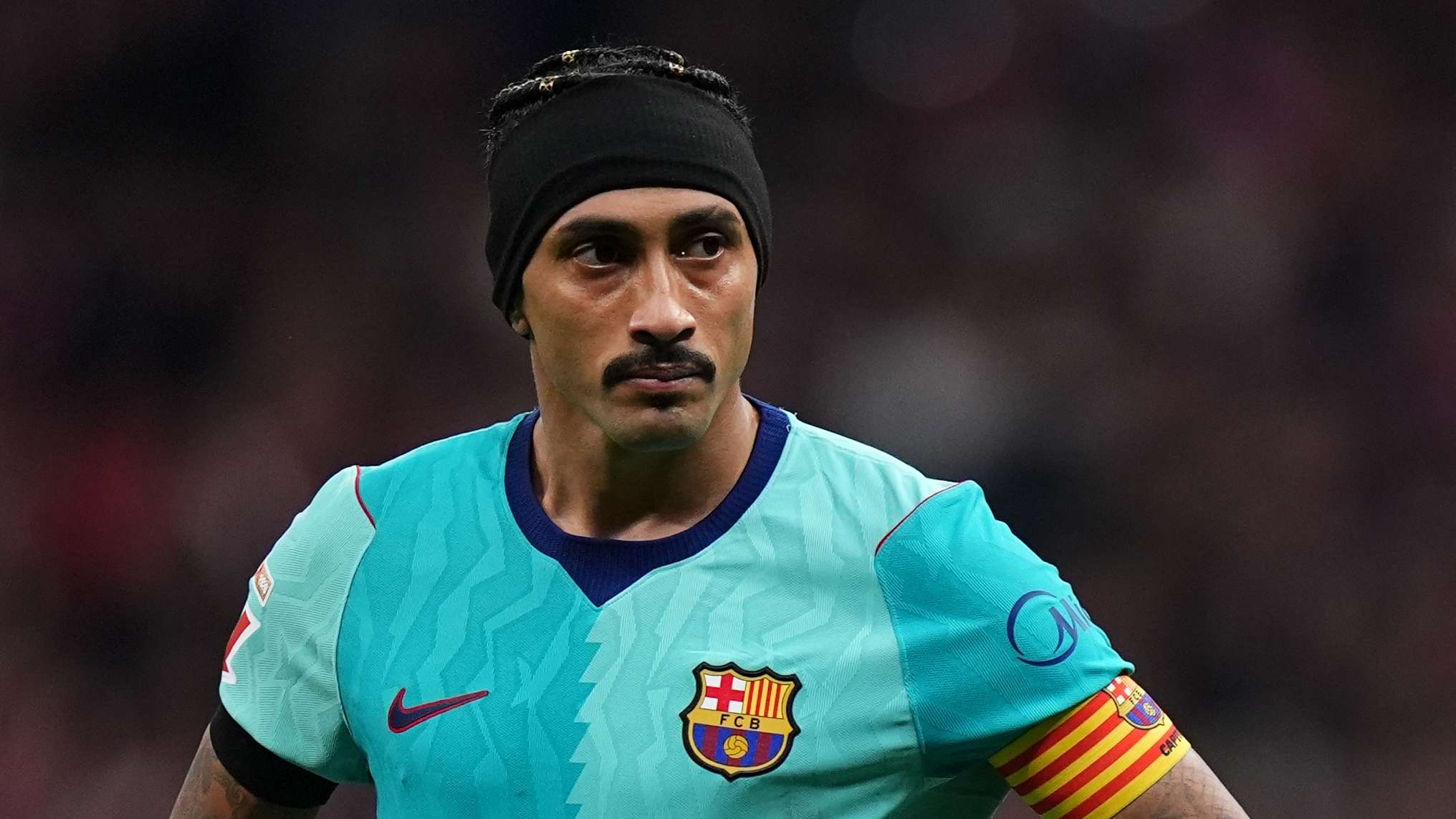
Barcelona left the Metropolitano with a valuable 2-1 victory over Atlético Madrid on Sunday, but the result did not tell the whole story for every player in the visitors’ lineup. While Fermin Lopez scored twice to help keep Barcelona at the top of La Liga, Raphinha struggled to make his usual attacking impact against Diego Simeone’s well-organised defence.
The Brazilian winger’s display attracted mixed assessments from Spanish media outlets, though most agreed that Atlético succeeded in limiting his influence. Several publications gave him a modest rating, describing a performance that lacked the directness and danger Barcelona supporters have come to expect. Others were more generous, pointing to his pressing and work rate as useful contributions in a demanding away fixture.
Spanish media give Raphinha mixed ratings
As reported by Sports Mole, two Spanish newspapers rated Raphinha at 5 out of 10 after the match. Another awarded him a 6, acknowledging that his attacking contribution was restricted while giving credit to his effort without the ball. The ratings reflected a difficult evening rather than a broader judgement on his importance to Barcelona.
El Nacional was among the most critical outlets, handing the winger a 5 out of 10 and arguing that he faded from the contest. Atlético’s defenders kept him from finding consistent space in dangerous areas, leaving him with few clear opportunities to influence the scoreline.
El Desmarque also gave Raphinha a 5, but its assessment included a more positive note. The publication highlighted his pressing, suggesting that his defensive work helped Barcelona raise its intensity after the break. Against a side that thrives on disrupting opponents and turning defensive situations into counterattacks, that effort can matter even when it does not produce a goal or assist.
La Vanguardia was slightly more forgiving, rating Raphinha 6 out of 10 and describing his performance as “restricted.” Its view was that Atlético defended him effectively, reducing his involvement and preventing him from building a sustained attacking threat. The rating recognised the challenge posed by Simeone’s defensive structure without suggesting that Raphinha had delivered one of his stronger performances.
Atlético’s defensive plan narrowed his options
Mundo Deportivo described Raphinha’s display as disjointed and suggested that he was drawn into Atlético’s trap. Rather than consistently finding room in wide areas, he spent too much time moving into crowded central spaces, where the home side could surround him and cut off passing lanes.
That detail helps explain why the Brazilian found it difficult to influence the match. Atlético are often at their most effective when they compress the space around an opponent’s creative players. If a winger moves inside without a clear route to goal or a reliable passing option, defenders can make the pitch feel particularly narrow. Raphinha’s commitment remained evident, Mundo Deportivo noted, but his movement did not consistently create the openings Barcelona needed.
Barcelona-focused platform Comunity took a similarly downbeat view, describing his night as largely lacklustre. Barca Universal, by contrast, rated him 6.5 out of 10. It still recognised that he struggled to shape the contest, but its higher score suggested that his overall contribution deserved more credit than the most critical reviews allowed.
Why the performance is unlikely to change Barcelona’s view
One frustrating match is unlikely to cause major concern for Barcelona, particularly given Raphinha’s form across the opening part of the 2026-27 campaign. He has scored 19 goals and provided three assists in 14 appearances in La Liga and the Champions League, a remarkable return that underlines his value to the side.
His season numbers also provide useful context for evaluating this performance. Raphinha has been a regular source of goals and attacking energy, but even an in-form player can be neutralised by a disciplined opponent. Atlético’s defensive organisation, the pressure of playing away from home and the limited space available all contributed to a night in which his strengths were harder to display.
There is also a difference between a low attacking output and a complete lack of contribution. The media reports repeatedly mentioned Raphinha’s pressing and determination, qualities that can help a team regain possession and sustain pressure. Those actions may not appear in the headline statistics, yet they can support a comeback or help a side control the later stages of a close game.
What this could mean for Barcelona’s next matches
Barcelona’s 2-1 win was the main takeaway from the trip to Madrid. Fermin Lopez’s two goals secured the points, while the team’s ability to turn the contest around demonstrated the value of contributions from across the squad. For Raphinha, the immediate challenge will be to respond by returning to the wide spaces where he can use his pace, one-on-one ability and direct running.
His next performances will offer a clearer indication of whether the Atlético match was simply an isolated off-night. Barcelona’s upcoming schedule will test the squad’s depth and consistency, making it important for key attackers to stay involved even when opponents focus their defensive attention on them. Raphinha’s recent scoring record suggests he is well placed to bounce back.
Prediction: Raphinha’s productivity and experience make a strong response plausible, especially if Barcelona’s next opponents leave more room on the flanks. The Atlético match showed how effectively a compact defence can limit him, but it does not erase the impact he has made throughout the season. For now, the media verdict is best understood as a snapshot of one difficult football match—not a verdict on the Brazilian’s wider form.