
Corinthians Face Fresh Payment Crisis as Seedorf and Depay Await Wages
Corinthians are facing renewed financial pressure after reportedly missing another payment deadline involving Clarence Seedorf and Memphis Depay. Several Brazilian media outlets say the club failed to make payments due last Saturday, adding to a growing list of unpaid obligations at one of Brazil’s best-known football institutions.
The latest delay raises questions about whether Corinthians can meet the commitments made to players and staff while also dealing with a difficult season on the pitch. For supporters, the concern is not only the immediate impact on the squad but also the possibility that continuing financial problems could affect the club’s ability to plan for future competitions.
Depay’s overdue payments remain a concern
Late salary payments have become a recurring issue for Corinthians. Depay has previously had to wait for money owed to him, and the club recently reached an agreement intended to address overdue payments. The reported missed deadline suggests that the arrangement has not yet brought lasting stability.
Repeated delays can create uncertainty for players, even when an agreement is in place. Professional footballers rely on clubs to meet contractual obligations on time, while unresolved salary issues can complicate discussions over future plans and the broader relationship between a player and the club. In Depay’s case, the latest report adds another chapter to an already unsettled financial situation.
Seedorf has reportedly not received his first salary
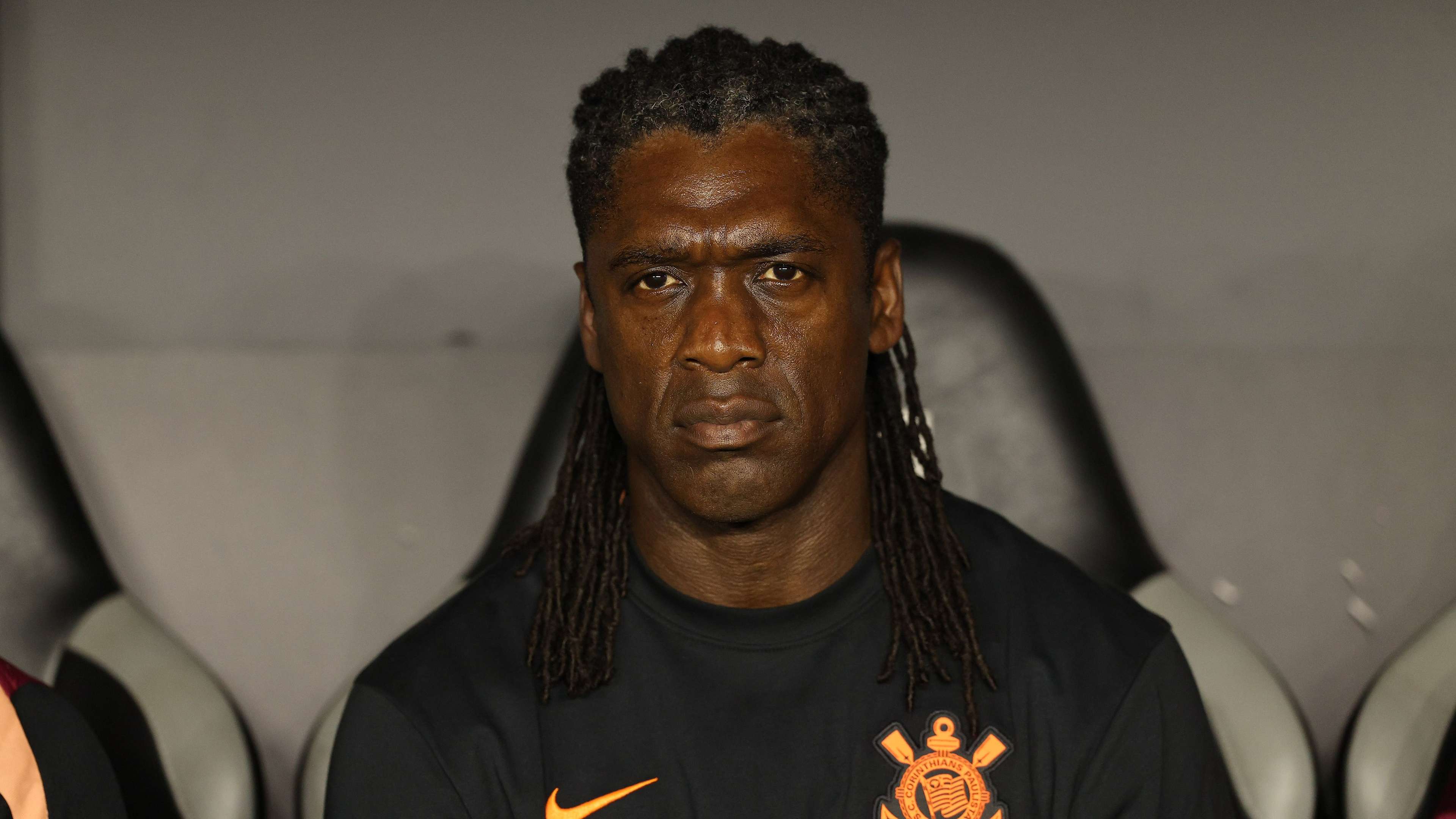
Seedorf is also said to be waiting for payment. The former football star has been in charge at Corinthians since the beginning of October, but according to the reports, he has yet to receive his first salary from the club.
That situation is particularly striking because a new coach is typically expected to help establish direction, improve performances and bring stability to a team. But a coach working amid unresolved payment issues may have to manage challenges beyond training and match preparation. The situation can also make it harder to build confidence across the squad and staff, especially if players are facing similar uncertainty.
There has been no additional explanation in the reports about why the latest deadline was missed or when the outstanding amounts might be paid. Until Corinthians provide clarity, questions are likely to remain about the club’s cash flow and its capacity to honour existing agreements.
Image rights, bonuses and competition prizes also outstanding
The reported arrears extend beyond salaries. Corinthians are said to be three months behind on image-rights payments owed to some members of the squad. Image rights are separate from standard wages and can form a significant part of a player’s overall earnings, making delays another source of concern for those affected.
Bonuses and prizes connected to matches in the Brazilian championship and the 2026 Copa Libertadores are also reportedly unpaid. These payments can be tied to appearances, performance or team achievements, depending on the terms agreed with players. When several categories of compensation remain outstanding at once, the problem becomes more complex than a single late wage payment.
For a club with ambitions in domestic and continental football, financial reliability is important both inside and outside the dressing room. Players and their representatives may take payment records into account when considering new contracts, while potential signings may seek assurances that agreed terms will be respected. Persistent arrears can therefore affect recruitment and retention as well as morale.
Previous transfer debts brought FIFA sanctions
Corinthians have already faced consequences over earlier financial obligations. Last summer, the club reportedly missed deadlines to pay for player transfers, prompting FIFA to impose a transfer ban and a fine of one million euros.
The club has paid one-quarter of that fine, but still has a considerable amount left to settle. The sanction illustrates how unpaid transfer fees can move beyond a dispute between clubs and become a matter with direct sporting consequences. A transfer restriction can limit a team’s ability to register new players, reducing its options when strengthening the squad or replacing departures.
Although the transfer issue is separate from the latest reported salary and image-rights delays, the problems together point to a broader financial challenge. Corinthians must manage several obligations at the same time: payments to players and staff, compensation linked to image rights, performance-related rewards and debts connected to transfers.
Relegation pressure adds to the uncertainty
The financial concerns arrive at a difficult moment on the pitch. Corinthians are reported to be 17th in the league, below the relegation line. That position puts the club in immediate danger of dropping into a lower division, making every remaining match more consequential.
There is no guaranteed link between payment disputes and results, but instability can make a demanding campaign even harder to manage. A team fighting near the bottom needs focus, consistency and a clear plan. If players and staff are also waiting for money owed to them, attention may be divided at a time when concentration is essential.
For Seedorf, the challenge is therefore twofold: improve Corinthians’ league position while working within a club environment facing reported financial strain. The team’s results will shape the immediate sporting outlook, while the club’s handling of its debts will influence confidence in its longer-term direction.
What happens next for Corinthians?
The next key step will be for Corinthians to clarify the status of the missed payments and explain how it intends to meet its obligations. A credible repayment plan could help ease uncertainty, but repeated missed deadlines may deepen concerns among players, staff, supporters and football authorities.
Any prediction about the club’s prospects should account for both sides of the crisis. On the field, Corinthians need points to move clear of the relegation zone. Off it, they need to restore financial trust and avoid further sanctions or disputes. Until progress is made in both areas, the club’s season will remain defined by more than football alone.
For now, the reported delays involving Seedorf and Depay underline the scale of the challenge. Corinthians are not only trying to improve their league position; they are also under pressure to demonstrate that agreements with their squad and staff can be honoured. How quickly the club responds could prove crucial to its stability in the months ahead.