
Unprecedented Media Frenzy Surrounds the 2024 Ballon d’Or Race: Analyzing the Impact on Predictions and Jury Dynamics
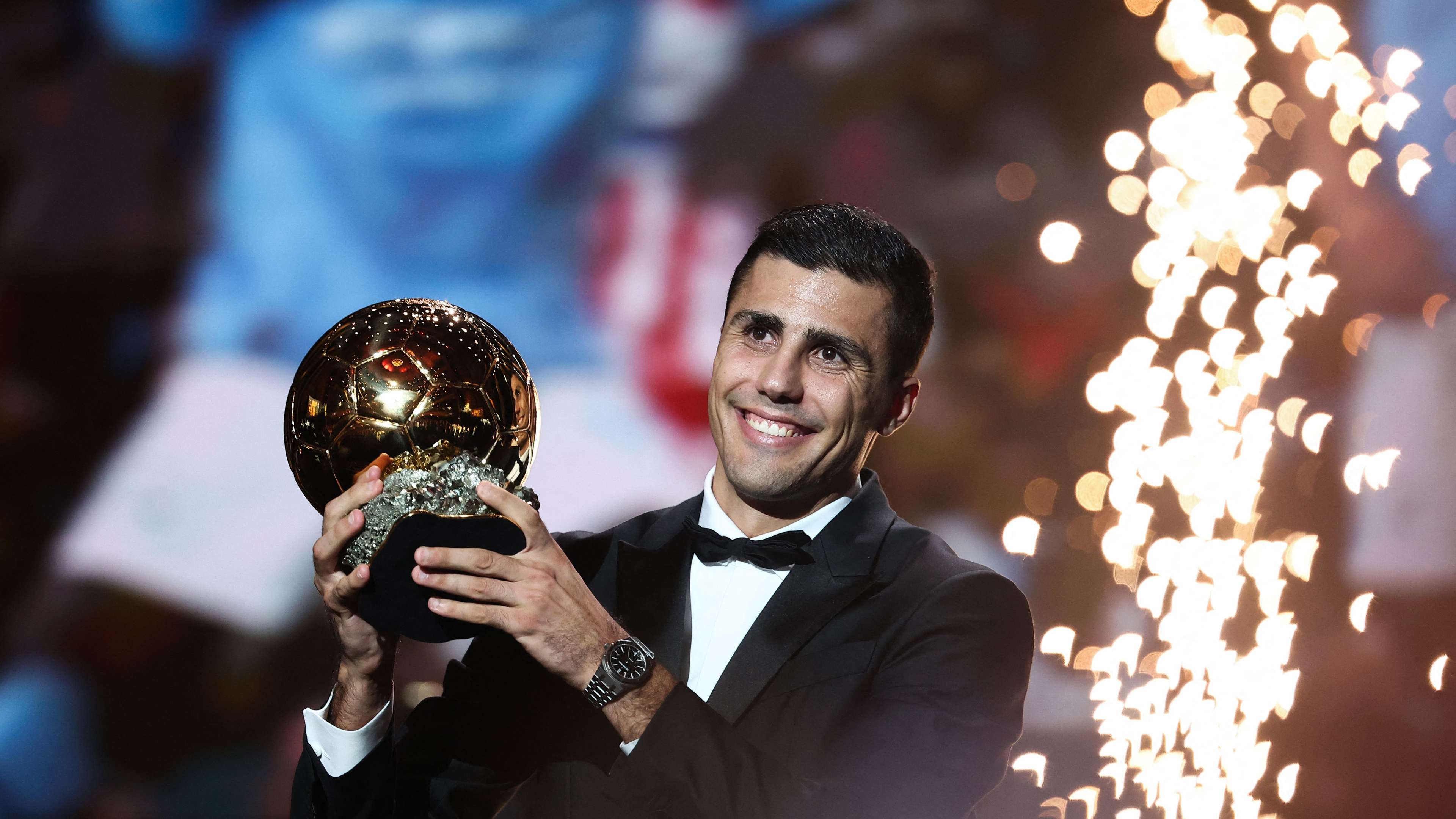
The race for the prestigious Ballon d’Or has entered an extraordinary phase, with media outlets, football clubs, and players themselves fueling a relentless buzz across the global football community. As the shortlist of nominees heats up, so does the debate over who will ultimately claim the coveted award. This year’s campaign has been unlike any previous edition, marked by intense promotional efforts, strategic campaigns, and a high-stakes battle for recognition among football’s elite.
The Escalating Media Campaigns and Their Influence on Football Predictions
In recent weeks, the football world has witnessed an unprecedented surge in media activity surrounding the Ballon d’Or nominees. Clubs and players alike are leveraging every platform available—social media, interviews, and public appearances—to sway opinion and generate momentum. The stakes are high, and the desire to see one’s star player crowned has sparked a flurry of promotional campaigns aimed at convincing the decision-makers, namely the 100-member jury, of their candidate’s superiority.
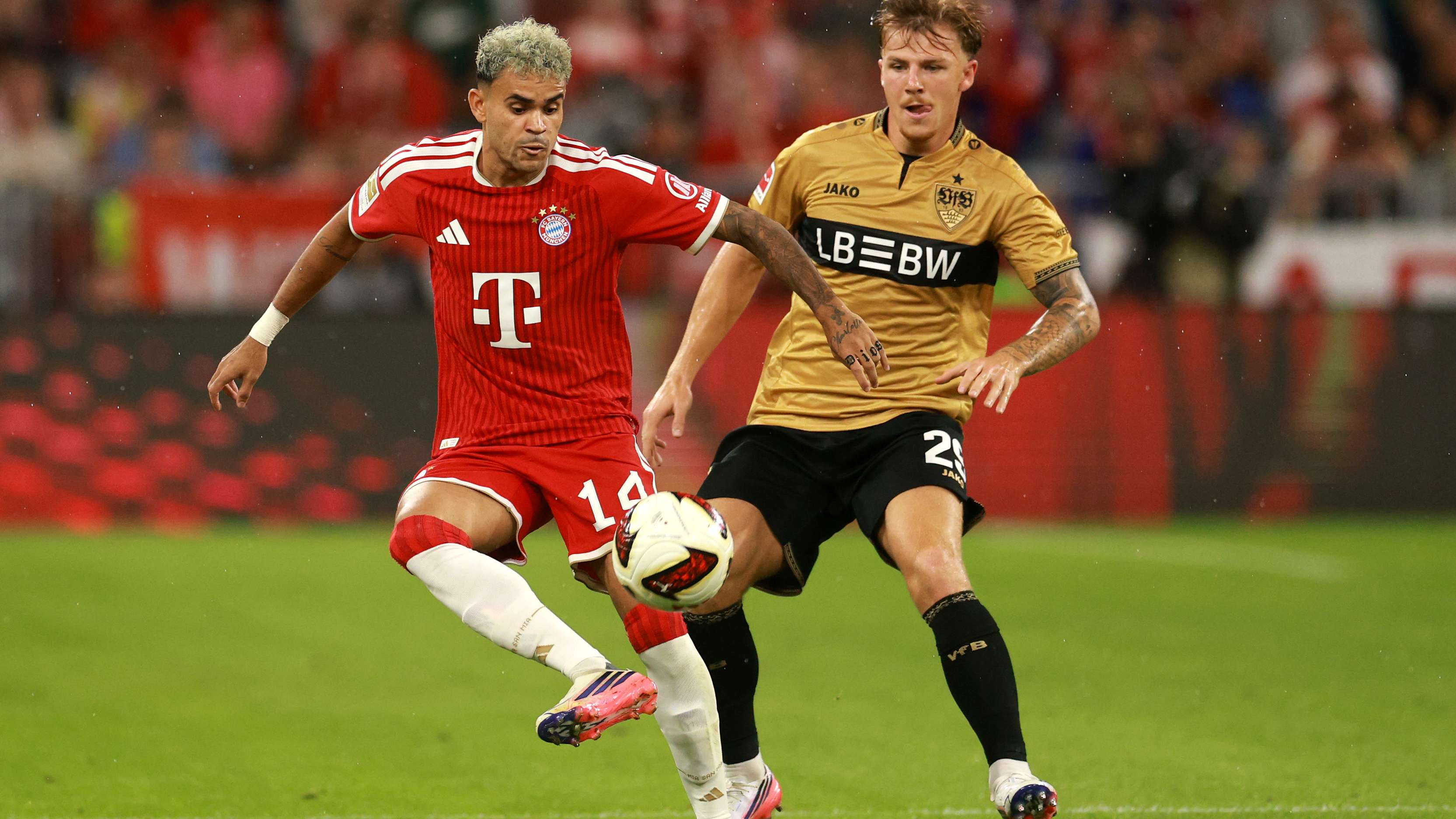
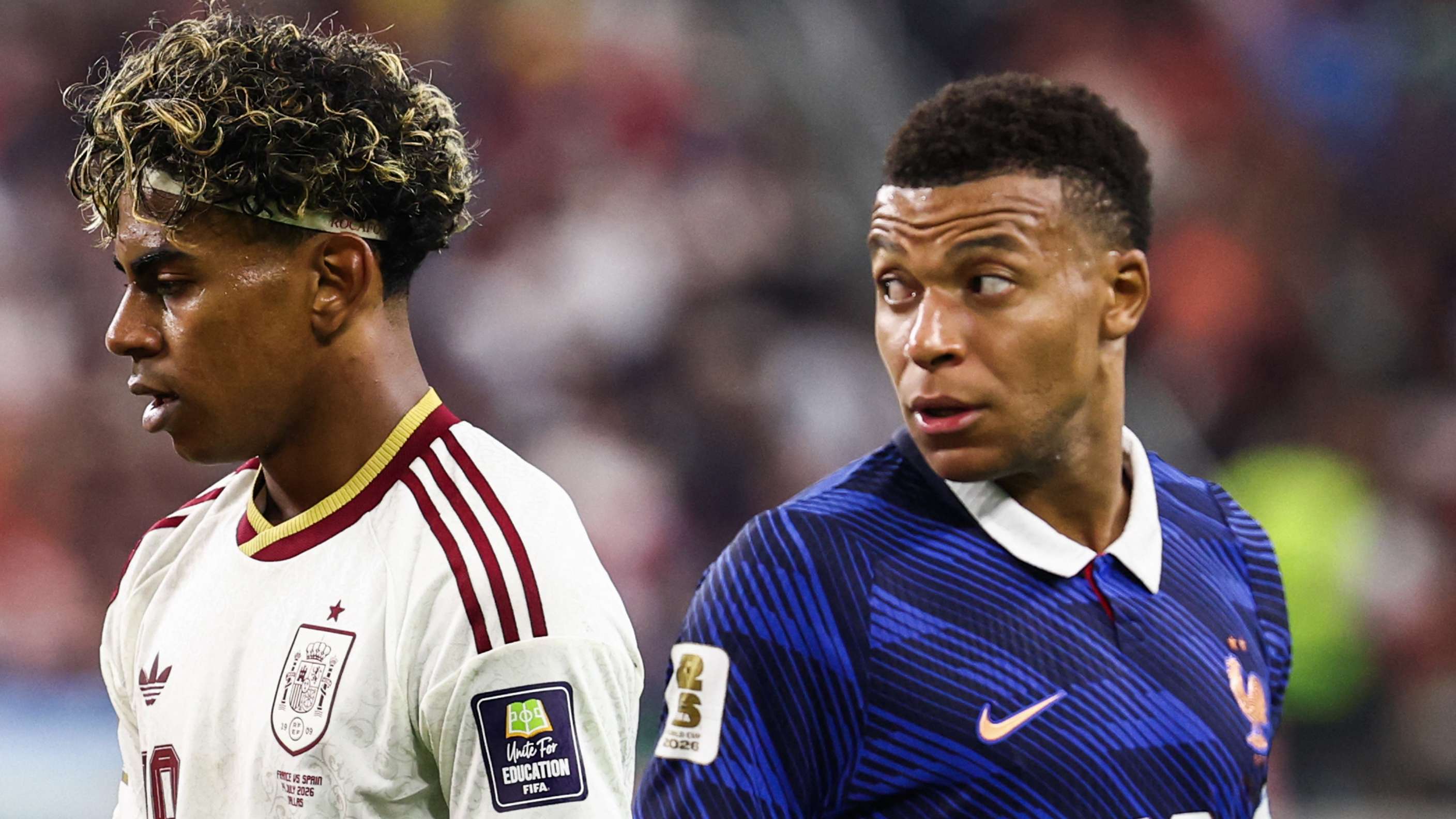
Leading contenders such as Lamine Yamal and Kylian Mbappé have dominated the headlines, with other notable names like Kvaratskhelia, Harry Kane, and Ousmane Dembélé also making waves in the media. Each player’s supporters and clubs are vying to highlight their achievements, influence public opinion, and, ultimately, shape the prediction landscape for football enthusiasts and analysts alike.
The Criteria Behind the Ballon d’Or: What Really Matters?
The decision process for awarding the Ballon d’Or hinges on three fundamental criteria:
- Individual performance and influence: Consistency, impact during critical matches, and overall contribution to team success.
- Team achievements and record: The player’s role in leading their team to victories, trophies, and high standings in league and international competitions.
- Integrity and fair play: Upholding sportsmanship and demonstrating professionalism on and off the pitch.
While most nominees excel in these areas, some may fall short on the third criterion, which can be a decisive factor in the final vote. The challenge lies in convincing the jury—comprising representatives from the top 100 FIFA-ranked countries—that their candidate embodies not only excellence but also sportsmanship and integrity.
The Jury Composition and the Influence of Public Campaigns
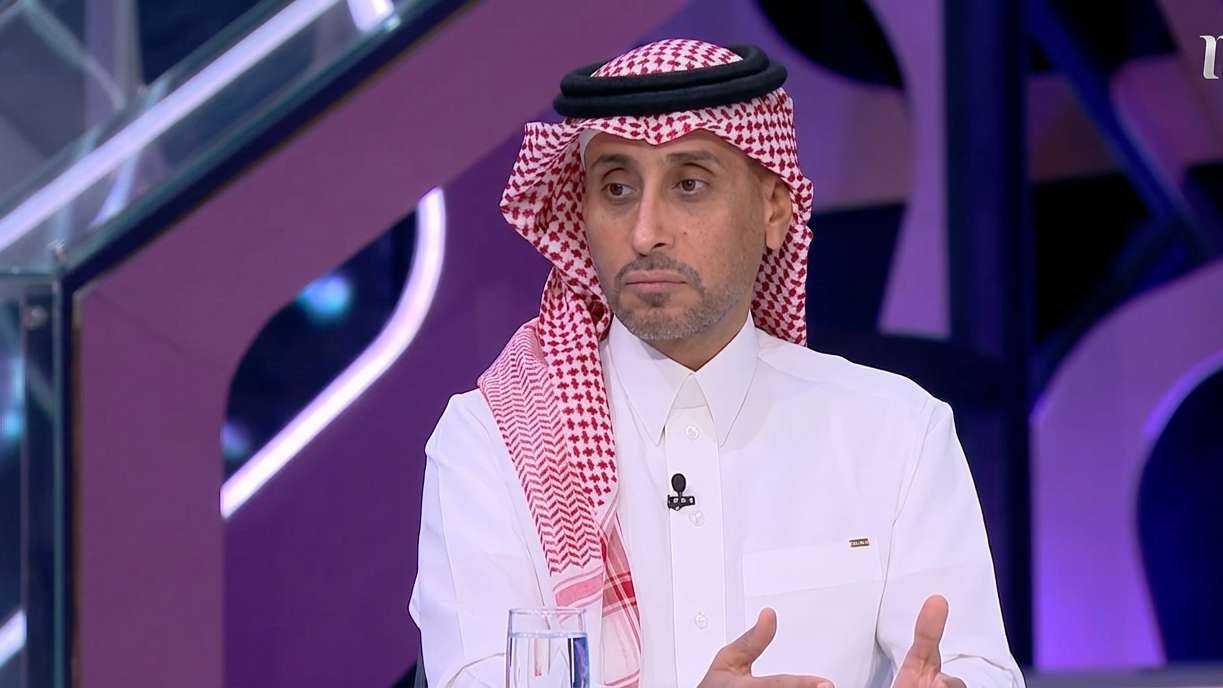
The prestigious jury for the Ballon d’Or consists of one journalist from each of the top 100 FIFA-ranked nations, making it a truly global panel. Their votes are confidential, and they are tasked with evaluating players based on merit rather than media hype. However, with the current media frenzy, questions about the influence of external factors on their decision-making process have arisen.
Recently, the French newspaper Le Parisien reached out to several jury members, but most preferred to remain anonymous, citing the sensitivity of their role. Notably, Yazid Ouahib, representing Algeria, acknowledged the unusual intensity of this year’s campaigns but emphasized that these promotional efforts do not sway his vote. “Over the past two years, we’ve witnessed electoral campaigns of unprecedented scale,” he remarked. “All these interviews and comments are distractions that do not impact my judgment. It ultimately comes down to conscience and personal evaluation.”
The Jury’s Perspective: Do Campaigns Really Influence the Vote?
Contrary to popular belief, many jury members maintain that their decisions are rooted in their own assessments rather than media narratives. Anders Bengtsson, a jury member from Sweden, stated that the repeated claims by some players or their advocates do not influence him directly. “These campaigns don’t affect me,” Bengtsson explained. “If I am undecided between two players, perhaps some statistics or compelling arguments could sway my decision, but only if I haven’t already made up my mind after careful consideration.”
Similarly, Pascal Ferré, the former editor-in-chief of France Football, expressed skepticism about the effectiveness of aggressive media strategies. “The jury members are experienced and discerning,” Ferré said. “They can judge a player based on their performance and character without needing to hear repeated assertions of ‘he is the best’. Excessive publicity can sometimes backfire, creating a perception of manipulation that might annoy voters rather than persuade them.”
The Impact of Media Noise on Football Prediction Models
For football analysts and prediction experts, understanding the nuances of this media frenzy is crucial. While some believe that external campaigns might sway undecided voters, most forecasts rely heavily on statistical data, player impact metrics, and team performance. The current media atmosphere introduces an element of unpredictability, as public sentiment and perception can sometimes influence the broader narrative surrounding the award.
Football prediction models are increasingly sophisticated, incorporating advanced analytics, player tracking data, and machine learning algorithms to project potential winners. However, these models must also account for the human element—the subjective judgments of jury members and the shifting media landscape. The question remains whether this year’s media-driven race will lead to a surprise outcome or reinforce the favorites based on consistent performance.
The Broader Context: Why This Year’s Ballon d’Or Is Unique
This year’s campaign is particularly notable for its intensity, partly fueled by the upcoming 2026 FIFA World Cup and the desire for players to cement their legacy ahead of the tournament. Additionally, the rise of social media has amplified every statement, interview, and campaign, turning what was once a relatively subdued voting process into a high-stakes media spectacle.
With football fans worldwide eagerly discussing predictions on forums like Kooora and social platforms, the excitement is palpable. Many are scrutinizing every statistic, performance highlight, and interview, attempting to forecast who will be crowned champion of individual awards in this highly competitive season.
Conclusion: Navigating the Media Storm and Making Informed Predictions
As the 2024 Ballon d’Or race unfolds amid this unprecedented media uproar, both fans and experts must navigate a complex landscape of promotion, performance, and perception. While media campaigns can influence public opinion and, indirectly, the broader narrative, the ultimate decision rests with the jury’s independent judgment. Their role is to assess players based on merit, integrity, and impact, despite the noise surrounding the race.
Football predictions will continue to evolve, blending statistical analysis with insights into the human elements of voting. As fans eagerly await the announcement, one thing remains clear: this year’s Ballon d’Or race is shaping up to be one of the most captivating and contentious in recent memory.