
Saudi Arabia’s Football Clash: Analyzing the Controversy and Future Predictions
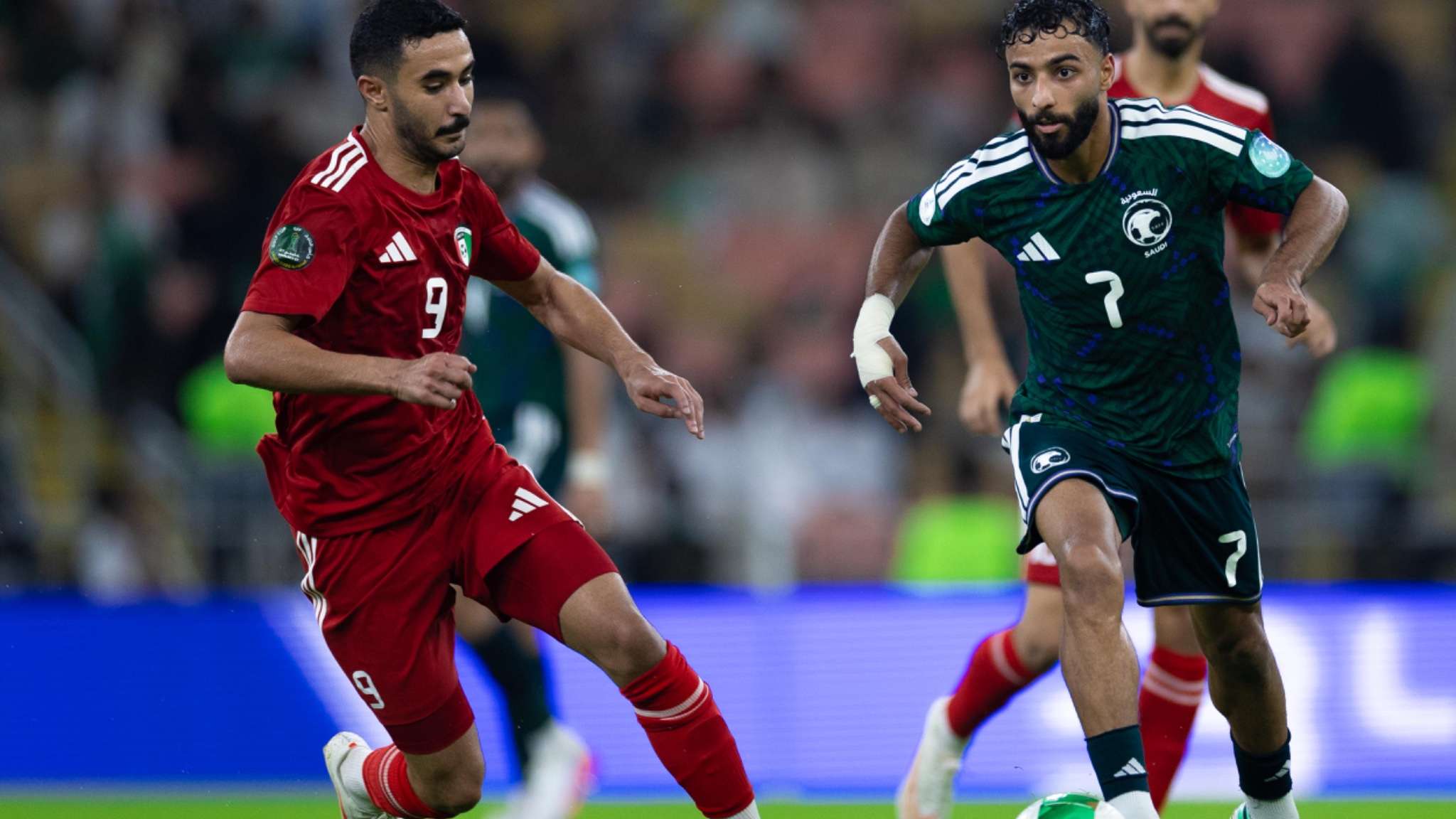
In a recent, tightly contested football match, Saudi Arabia secured a narrow 1-0 victory over Kuwait—a result that, surprisingly, did little to quell the storm of criticism among passionate fans. While the outcome was positive on the scoreboard, the performance and individual displays on the pitch have sparked intense debate, revealing underlying tensions within Saudi football circles.
The Match Overview: A Narrow Victory in a High-Stakes Context
The game, held as part of the Gulf Cup, showcased the strategic battles and resilience characteristic of regional football tournaments. Saudi Arabia, aiming to assert dominance and secure vital points, faced a disciplined Kuwait side known for their defensive organization. Despite the win, many supporters expressed dissatisfaction, citing a lack of flair and offensive creativity.
Key moments during the match highlighted both the potential and the pitfalls of Saudi Arabia’s current squad. The lone goal, scored in the second half, was a crucial boost, but the overall performance left fans craving more expansive and dynamic football. This match has since become a focal point for analysis, predictions, and, regrettably, criticism—most notably directed at specific players whose performances did not meet expectations.
Saleh Abu Al-Shamat: A Spotlight on Controversy and Expectations
One of the most talked-about figures post-match was Saleh Abu Al-Shamat, whose performance has ignited a wave of criticism across social media platforms, especially on the “X” platform (formerly Twitter). The young midfielder, who started alongside his older brother Mohammed Abu Al-Shamat—a rare occurrence in Saudi football for over 14 years—was under scrutiny for his display during the game.
Saleh was substituted in the 63rd minute, making way for Sultan Mandash, but the reaction from supporters extended well beyond his exit. Some fans labeled his on-field demeanor as “cold,” pointing to moments where they believed he failed to rise to the occasion or display the necessary intensity. Others accused him of prioritizing showboating over responsibility, questioning his commitment during critical phases of the match.
Fan Reactions and the Depth of Criticism
The criticism didn’t stop at mere tactical analysis; it delved into the player’s mental attributes and technical discipline. Several supporters argued that Saleh’s mentality might be hindering his development, suggesting that he needs to focus more on honing his skills rather than being distracted by off-the-ball antics or superficial displays.
In the fiercely passionate world of football fandom, such opinions are common, yet they reveal deeper issues regarding player consistency and confidence at the international level. Many fans took to forums like “Kooora” to discuss these topics in detail, exchanging predictions about his future potential and whether he can overcome current hurdles to establish himself as a key figure for Saudi Arabia.
Sibling Rivalry and Performance Comparison: Saleh vs. Mohammed Abu Al-Shamat
The post-match debate intensified with comparisons between Saleh and his older brother, Mohammed Abu Al-Shamat. Supporters and critics alike noted that Mohammed appeared more active, creating multiple attacking opportunities and contributing significantly to the team’s offensive efforts. This contrast has fueled discussions about consistency, tactical awareness, and leadership qualities among young Saudi footballers.
Interestingly, this was the first time the brothers started together in an international match in over 14 years—a milestone that added sentimental value but also heightened scrutiny. Fans are now eager to see whether Saleh can elevate his game to match or even surpass his sibling’s impact in future outings.
Implications for Saudi Arabia’s National Team and Future Predictions
Saleh Abu Al-Shamat’s struggles and the accompanying criticism come at a pivotal time for Saudi Arabia’s national team. Coach Georgios Donis, who recently included Saleh in his squad, faces the challenge of balancing player development with immediate results. Despite the recent criticism, Donis’s decisions regarding squad selection and tactical deployment remain fluid, with potential for change based on upcoming performances.
Looking ahead, football predictions for Saudi Arabia’s team suggest a period of growth and adjustment. The team’s ability to adapt and integrate young talents like Saleh Abu Al-Shamat will be crucial in upcoming fixtures—especially as they aim to improve their standing in regional and international competitions.
Analyzing the Future: Can Saleh Turn Criticism Into Success?
While fan reactions may seem harsh, they serve as a barometer for the high standards expected within Saudi football. Saleh Abu Al-Shamat still holds the opportunity to respond positively on the field, demonstrating resilience and technical improvement. The upcoming matches, including fixtures against Iraq and Oman, will provide vital platforms for him to showcase growth and earn back the confidence of supporters.
The prediction for his future hinges on several factors: his mental strength, technical refinement, and ability to adapt to tactical demands. If he can harness the criticism as motivation, there is no doubt that Saleh has the talent to become a key player for Saudi Arabia’s football team in the years to come.
Conclusion: The Road Ahead for Saudi Football and Its Young Talents
Saudi Arabia’s football landscape is at a crossroads, with talented young players like Saleh Abu Al-Shamat under intense scrutiny. The recent match against Kuwait has highlighted both the potential and the challenges faced by the national team as they strive for greater success on the regional and global stage.
As predictions for future performances are made, one thing remains clear: perseverance, tactical discipline, and mental resilience will be vital for players seeking to leave a lasting impact. The ongoing debate surrounding Saleh and his brother Mohammed is a testament to the passionate football culture in Saudi Arabia—a culture that demands excellence, resilience, and continuous growth.
Fans and analysts alike will be watching closely as Saudi Arabia aims to turn criticism into motivation, pushing their young talents to reach new heights. With the right development and strategic planning, the team’s future looks promising, and the predictions indicate a period of exciting evolution for Saudi football on the horizon.