
Juventus Continue to Back Luciano Spalletti, but Results Will Shape His Future
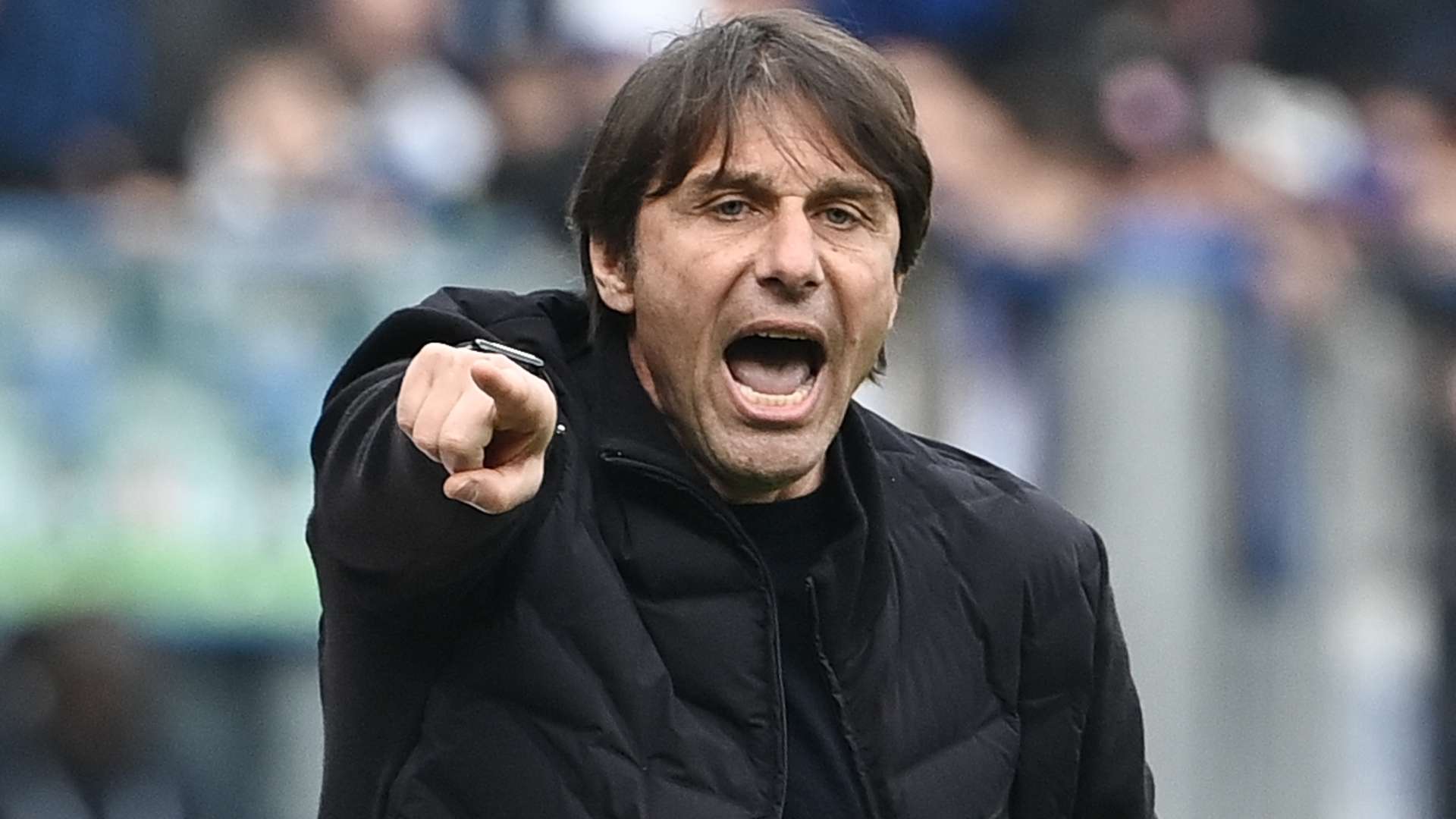
Juventus are standing by Luciano Spalletti for now, but the club’s confidence in its manager is increasingly tied to what happens next on the pitch. A run of disappointing results, signs of tension within the dressing room and questions about the team’s cohesion have brought Spalletti’s future into focus at a delicate point in the season.
Spalletti is the sixth manager to lead Juventus in the past eight years, a period marked by repeated changes in direction and high expectations. The club has not, according to Corriere della Sera, contacted possible replacements. Its stated priority remains supporting the current coach and giving him the opportunity to steady the team. That backing, however, is not unconditional: upcoming performances could have a major influence on the club’s assessment of the season and its leadership.
Juventus’ Support Comes With an Expectation of Improvement
For now, Juventus appear to be resisting the temptation to make another managerial change. The decision reflects a desire for stability, particularly after several coaching transitions in a relatively short period. Replacing Spalletti would bring fresh uncertainty, while keeping him in charge gives the team a chance to build consistency under one plan.
But patience is likely to depend on visible progress. Juventus need more than isolated positive results; they must show greater organisation, sharper performances and a clearer sense of purpose. A sustained improvement would strengthen the case for continuity. Further setbacks, by contrast, would intensify debate about whether Spalletti can deliver the response the club expects.
That makes the coming fixtures especially important. A strong stretch could restore confidence among supporters and reinforce the manager’s position. If results remain uneven, pressure is likely to grow—not only on Spalletti, but also on the players responsible for turning the club’s ambitions into performances.
Squad Harmony Is Becoming a Central Concern
Juventus’ difficulties are not limited to their league position. The atmosphere within the squad has also attracted attention, with several recent moments prompting questions about the relationship between the manager and his players.
Comments from Gleison Bremer, Francisco Conceição’s visible reactions to being substituted and the way Andrea Cambiaso has been handled have all contributed to a sense that the team’s internal balance needs attention. Any one incident may have a straightforward explanation. Taken together, however, they can feed the impression of a group that is not entirely settled.
Managing those situations is a key part of Spalletti’s job. A coach must make difficult selection decisions, including substitutions and changes to players’ roles, while keeping the wider squad engaged. When players appear unhappy or uncertain, the challenge is to address the issue without allowing individual frustration to become a broader distraction.
For Juventus, restoring unity could be as important as adjusting tactics. A connected squad is better placed to respond to setbacks, maintain intensity and execute a game plan under pressure. If the dressing room is divided or unsure of its responsibilities, even a talented group can struggle to produce consistent results.
What the Numbers Say About Spalletti’s Start
The statistics offer a mixed picture of Spalletti’s record. Juventus have collected 65 points from a possible 108 under his leadership, an average of 1.81 points per match. That figure is slightly higher than the averages recorded by Thiago Motta and Igor Tudor during their respective spells in charge.
The comparison provides useful context, but it does not settle the debate. A points-per-match average can show how a team has performed over time, yet it cannot fully capture the expectations attached to Juventus, the quality of performances or the importance of individual results. Supporters and club executives will also judge whether the team looks capable of improving and competing consistently.
The figure does, however, complicate any simple claim that Spalletti’s record is clearly worse than that of his recent predecessors. His average is marginally stronger, but the club’s broader concerns remain. Juventus are looking for progress that is apparent in both results and the way the side plays.
Why Juventus May Avoid an Immediate Managerial Change
There are practical reasons for the club to continue backing Spalletti. A mid-season change can disrupt preparation, force players to adapt to new instructions and create further uncertainty around the squad. With Juventus having already gone through several managers in recent years, another switch could reinforce the impression that the club lacks a stable long-term plan.
That does not mean the possibility of a future change has disappeared. Rather, the current approach appears to be one of assessment: give Spalletti the chance to improve performances, while monitoring results and the mood within the squad. The absence of contact with potential replacements suggests there is no immediate move under way, but it does not guarantee that the situation will remain unchanged.
Juventus Manager Prediction: The Next Results Could Be Decisive
Any prediction about Spalletti’s future should be treated with caution. Juventus have not announced a decision to part ways with him, and the available reporting indicates that the club’s present preference is to offer support. The most reasonable expectation is that his position will depend on whether the team can produce a convincing response in the matches ahead.
If Juventus improve their results and show greater unity, Spalletti could strengthen his case to remain in charge and guide the club through the rest of the season. If performances continue to disappoint or tensions become more visible, calls for a change may become harder for the club to ignore.
For now, the message from Juventus is one of backing—but also of expectation. Spalletti must reconnect the squad, improve consistency and turn that support into results. His immediate future may not be decided by one match, but the next run of performances could prove crucial to the club’s wider plans.