
Mohamed Salah and Hossam Hassan: Did the Egypt Captain Influence the Coach’s Exit?
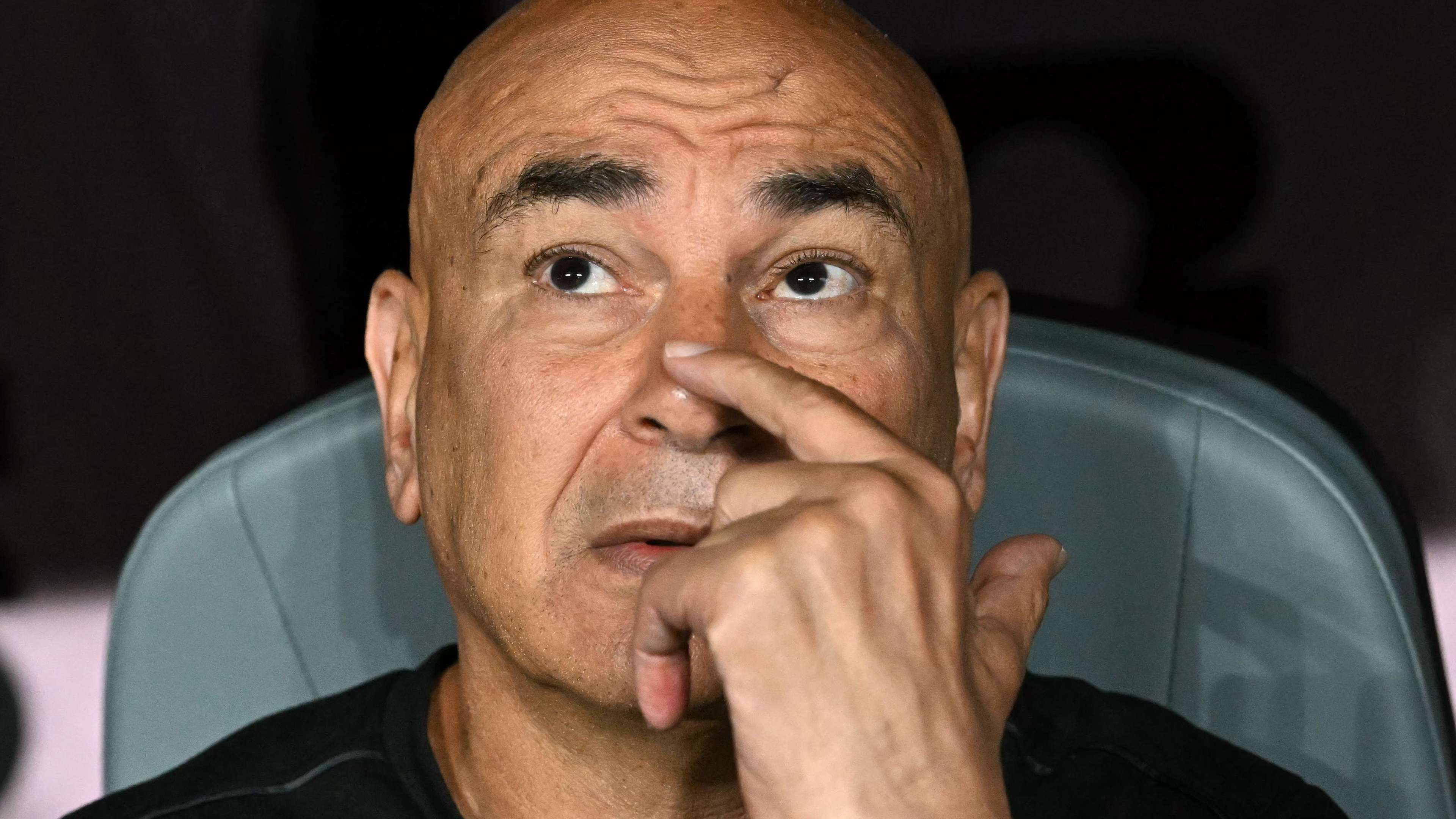
Hossam Hassan’s departure as Egypt national team coach has put Mohamed Salah’s relationship with the former manager back under the spotlight. Hassan left his post on Saturday, and the appointment of Ali Maher as his successor quickly prompted a central question among supporters: did Salah have any role in the decision?
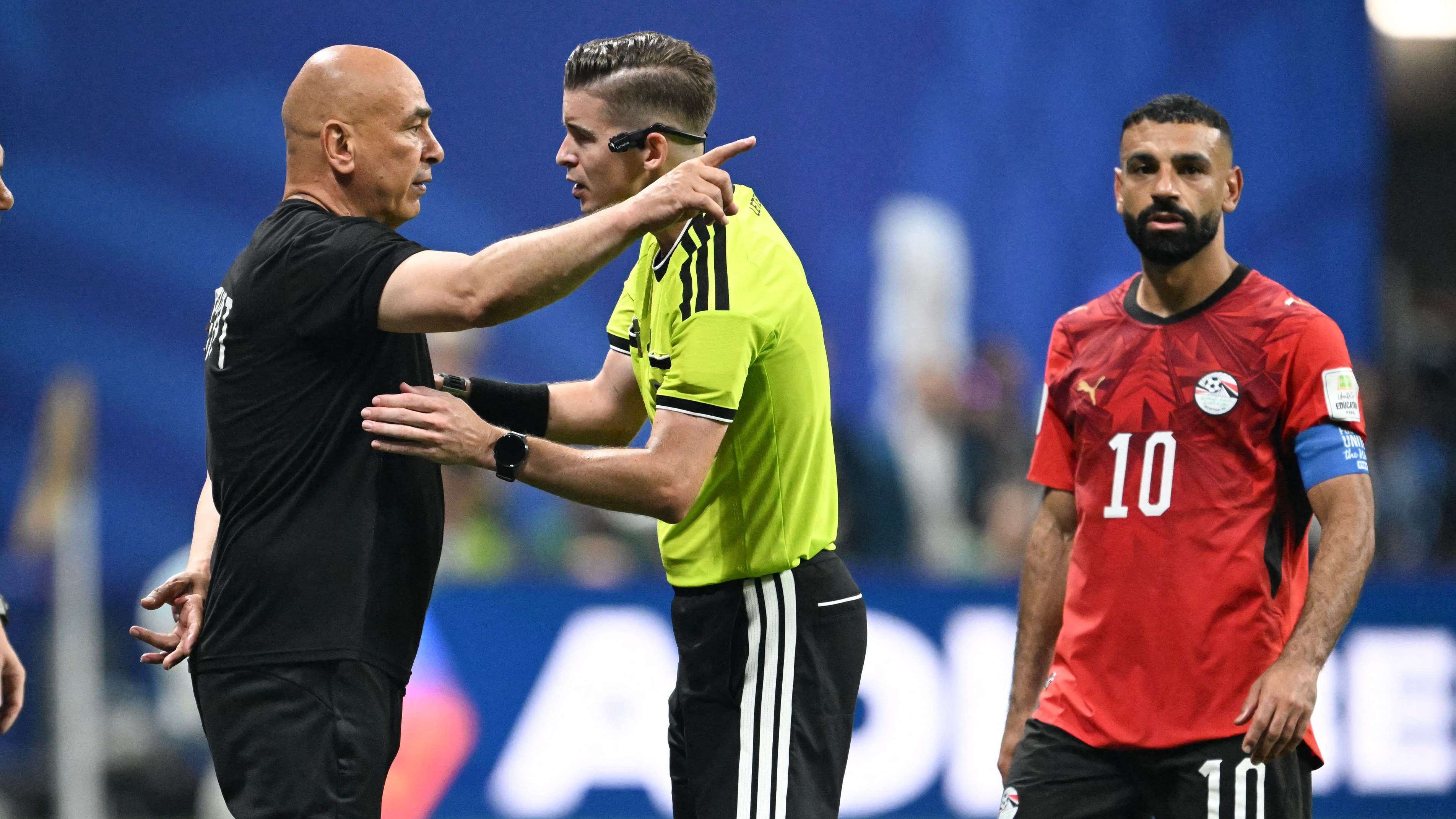
The speculation follows a tense period for the Pharaohs, sparked when Hassan substituted Salah during Egypt’s match against Angola. The captain then missed the team’s next two fixtures, adding to questions about whether the disagreement was tactical or a sign of a deeper rift. However, reports and public statements have not established that Salah asked Egyptian Football Association officials to dismiss Hassan.
A substitution that raised questions
The flashpoint came in the opening round of the 2027 Africa Cup of Nations qualifiers, when Hassan took Salah off in the 60th minute against Angola. The decision surprised some observers, given Salah’s importance to Egypt and his ability to influence a match even when the team is under pressure.
Salah left the national team camp the following day and did not feature against South Sudan or in the friendly against South Africa. The sequence of events encouraged speculation about a dispute between the captain and coach, particularly because the withdrawal came so soon after the substitution.
Hassan, however, offered explanations for both decisions. He said the change against Angola was tactical, while Salah’s absence from the South Sudan match had been agreed in advance to manage the forward’s workload. The coach also cited the artificial playing surface as a factor in protecting the player’s fitness.
Those explanations did not put an end to the debate. In international football, a captain’s early substitution can attract attention even when there is a straightforward tactical reason. When the player is Mohamed Salah—one of Egypt’s most prominent sporting figures—every decision involving his role is likely to be examined closely.
More than one source of tension
The Salah episode unfolded alongside other controversies surrounding Hassan’s tenure. His comments about Al Ahly goalkeeper Mohamed El Shenawy drew criticism after he described the goalkeeper as having been “finished” at an earlier stage of his career. The remark added to the attention on the coach’s public communication and his relationship with senior players.
Egyptian media reports also alleged that national team manager Ibrahim Hassan had used offensive language toward some members of the squad. Such claims contributed to a broader impression of friction around the team, although media reports alone do not confirm what took place behind closed doors.
For supporters, the key issue is not simply whether one substitution caused a disagreement. It is whether the coaching staff and players had enough trust and communication to work through difficult moments. A national team has limited time together, making clear roles, respectful feedback and a shared plan especially important before major qualifiers and tournaments.
Why Hany Abo Rida’s meeting mattered
Egyptian Football Association president Hany Abo Rida stepped in as speculation intensified. His meeting with Salah in Turkey at the start of the month attracted particular attention because it took place shortly before the Pharaohs began a new training camp.
In its statement, the association said the discussions focused on removing obstacles facing the national team, improving communication and understanding across the set-up, and creating a positive environment for upcoming challenges. Hassan was not named in the announcement, and the wording did not say that Salah had complained about the coach or requested his removal.
Still, the timing gave the meeting added significance. The conversation came weeks after the Angola incident, when reports suggested that Salah was unhappy with his substitution and with some of Hassan’s remarks. That context led many observers to interpret the meeting as an effort to ease tensions and ensure that the captain and coaching staff could work together effectively.
It is important to distinguish that interpretation from confirmed fact. Abo Rida’s intervention shows that the association was concerned with communication and the team’s atmosphere. It does not, by itself, prove that Salah influenced Hassan’s departure. No public evidence cited in the reports establishes that the captain demanded a change in management.
Hassan’s contract and the timing of his exit
Hassan had renewed his contract through 2030 last September, after leading Egypt to the round of 16 at the 2026 World Cup. The extension appeared to signal confidence in his long-term project and gave the coach time to shape the squad beyond a single tournament cycle.
His departure nevertheless came amid a run of public disputes and questions over relationships within the national team. The Salah controversy was one part of that picture, alongside the criticism surrounding Hassan’s comments and reports of disagreements involving other players. The available information does not establish that any single incident caused his exit.
For Egypt, the immediate challenge is to move beyond speculation and give the new coaching team a stable platform. Ali Maher will need to set expectations, build trust with key figures and make sure the squad’s attention returns to performance. Salah remains central to the team’s football ambitions, but the success of the next phase will depend on collective preparation rather than one player alone.
What comes next for Egypt?
The episode offers a reminder of how quickly questions about selection can become a wider debate about leadership. A coach must make tactical decisions, while a captain has a responsibility to represent the squad and help maintain standards. When those roles appear to clash, transparent communication can be as important as the decision on the pitch.
As Egypt prepares for its upcoming fixtures, supporters will be watching for signs that the transition has brought greater unity. Any prediction about the team’s prospects should be cautious until the new staff’s plans and squad choices become clearer. What is certain is that the Pharaohs need a settled environment if they are to compete consistently in African football and meet expectations in the next cycle.
For now, the claim that Salah played a decisive part in Hassan’s exit remains speculation rather than established fact. The association’s meeting with the captain suggests that officials wanted to strengthen communication, but the reasons behind the coaching change have not been fully detailed publicly. The focus now shifts to whether Egypt can turn a turbulent period into a fresh start.