
Barcelona’s Turbulent Era: The Rise, Fall, and Unanswered Questions of Xavi Hernandez’s Coaching Journey
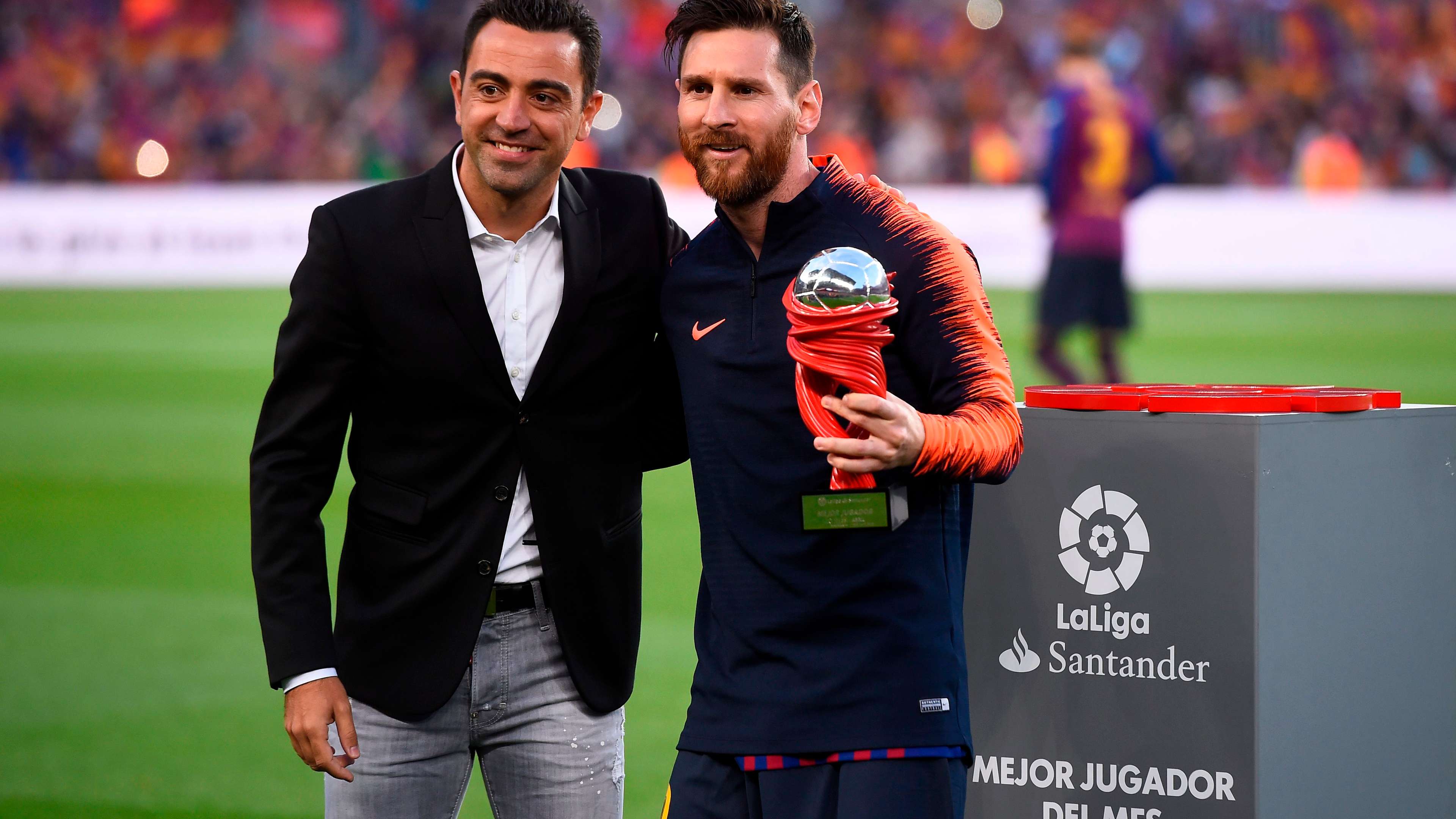
Barcelona, a club synonymous with football excellence and rich history, has recently experienced a period filled with upheaval, controversy, and uncertainty. Central to this tumultuous chapter is Xavi Hernandez, a legendary figure in the world of football and one of Barcelona’s most iconic players. His transition from a revered player to the club’s head coach was marked by high hopes, early successes, but ultimately, a series of challenges that left fans and pundits questioning what lay ahead for the Catalan giants.
The Early Triumphs Under Xavi Hernandez
When Xavi Hernandez assumed the coaching reins at Barcelona, expectations were sky-high. The club was navigating a period of transition, grappling with the departure of key players and the need to rebuild a squad capable of competing at the highest levels. Xavi, renowned for his tactical intelligence and deep understanding of Barça’s playing philosophy, inherited a squad in flux but quickly set about restoring the club’s traditional style of possession-based football.
Under his leadership, Barcelona experienced a resurgence in La Liga, reclaiming the domestic title and rejuvenating the club’s winning mentality. His approach emphasized youth development, tactical discipline, and a cohesive team strategy that echoed the club’s glorious past. These early successes rekindled hope among supporters that Xavi could steer Barcelona back to its former glory as one of the most formidable teams in European football.
The Challenges and Downturn in Form
However, football’s unpredictable nature soon caught up with Xavi’s Barcelona. As his tenure progressed, the team faced a series of setbacks—poor results in key matches, struggles to maintain consistency, and mounting pressure from the club’s hierarchy and passionate fans alike. The final season proved particularly difficult, with the team’s performances falling below expectations, casting doubt over the club’s future trajectory.
A major contributing factor to Barcelona’s struggles was the inability to retain some of its star players amid financial constraints and shifting club priorities. The departure of influential figures like Lionel Messi, who left for Paris Saint-Germain in 2021, marked a symbolic turning point. The loss of such talismanic figures affected team chemistry and performance, and Xavi found himself in the difficult position of trying to rebuild a squad without its most iconic players.
Internal Conflicts and Fractures
Adding to the complexity were internal disagreements within the club’s management. Xavi’s relationship with Barcelona president Joan Laporta and the club’s board became increasingly strained as results declined and strategic disagreements surfaced. The tension culminated in public disputes and a growing sense that the club was at a crossroads—struggling to find stability amidst mounting expectations.
Such internal conflicts hampered the team’s ability to execute a cohesive footballing philosophy, further impacting performance on the pitch. The inability to secure new signings or fully integrate young talents under these circumstances exacerbated the club’s difficulties, leading many to question whether stability could be restored under the current leadership.
The Messi Return: A Hope That Never Materialized
One of the most compelling topics during Xavi’s tenure was the potential return of Lionel Messi to Barcelona. After Messi’s departure to PSG, fans and pundits alike speculated whether the club could persuade the Argentine superstar to don the Blaugrana shirt once more. The possibility was fueled by Messi’s expressed desire to return, especially after his triumphant victory at the 2022 World Cup with Argentina, which reasserted his status as one of football’s all-time greats.
Throughout Xavi’s coaching period, the question of Messi’s return remained a hot topic. The Catalan legend himself hinted at the possibility, fueling hopes among supporters that the club could rekindle its magic by bringing back its greatest player. Yet, despite these aspirations, the move never materialized. Xavi has now shed light on the behind-the-scenes reasons that prevented Messi’s return, revealing surprising insights that add new depth to the ongoing narrative.
Why Lionel Messi’s Return Never Happened
In a recent interview, Xavi Hernandez explained that the decision not to pursue Messi’s return was influenced by multiple factors beyond the club’s immediate control. While he acknowledged Messi’s strong desire to come back after winning the World Cup, Xavi emphasized that the club faced significant financial and structural hurdles.
“It was a complex situation,” Xavi revealed. “Our financial situation at the time was challenging, and although Messi wanted to return, we had to consider the club’s long-term stability. There were also negotiations with PSG and other logistical issues that made it impossible to finalize the deal.”
Furthermore, Xavi noted that the club’s strategy was focused on rebuilding the team with young talents and integrating new signings who would align with Barcelona’s evolving playing philosophy. Bringing back a player of Messi’s stature, while emotionally appealing, posed challenges in terms of squad balance and salary cap restrictions.
Analyzing the Predictions for Barcelona’s Future
As Barcelona navigates its post-Xavi era, football prediction experts are closely analyzing the club’s potential trajectory. Many believe that the club’s future hinges on its ability to stabilize financially, develop homegrown talent, and execute strategic transfers that complement the existing squad. The question remains: can Barcelona regain its dominance in La Liga and return to the elite echelons of European football?
Football prediction models suggest that, with a renewed focus on youth development and tactical consistency, Barcelona could re-emerge as a formidable force within the next few seasons. However, success will depend on effective management, smart investments, and perhaps most critically, a clear vision that balances ambition with sustainability.
The Road Ahead: Challenges and Opportunities
Looking forward, Barcelona faces both significant challenges and exciting opportunities. The club needs to rebuild trust among its supporters, strengthen its squad with strategic signings, and restore its winning mentality. The return of key figures like Lionel Messi remains uncertain, but the club’s focus on nurturing young talent and promoting from within could pave the way for a new era of success.
Moreover, the evolving landscape of European football, with increased competition from clubs across the continent, demands that Barcelona adapt quickly. The club’s ability to harness its rich history, combined with innovative football strategies and a strong prediction-driven approach to transfers and tactics, will be crucial in reclaiming its position at the top.
Conclusion: A Club at a Crossroads
In conclusion, Barcelona’s recent history under Xavi Hernandez serves as a testament to the unpredictable nature of football. The club’s early successes gave way to internal strife and external challenges, including the unfulfilled hope of bringing back Lionel Messi. As the club charts its future course, football prediction experts remain cautiously optimistic that, with strategic planning and a clear vision, Barcelona can once again rise to prominence.
For fans, analysts, and enthusiasts alike, the key takeaway is that football is as much about resilience and adaptation as it is about talent and tradition. The story of Barcelona continues to unfold, and the next chapter promises to be as captivating as ever.