
Real Madrid’s Yan Diomande deal includes a Ballon d’Or bonus for Leipzig
Real Madrid’s high-profile signing of Ivorian winger Yan Diomande could become even more expensive if the teenager reaches football’s greatest individual honour. A reported clause in the transfer agreement means Madrid would pay RB Leipzig an additional €2.5 million if Diomande wins the Ballon d’Or while playing for the Spanish club.
The bonus is only a small part of a deal that already carries a substantial price tag. According to Sky Sports Germany, Madrid agreed an initial fee of €125 million for the winger, with the total potentially rising to €140 million if specified conditions are met. Leipzig sporting director Marcel Schäfer reportedly pushed for the Ballon d’Or provision during negotiations with Madrid president Florentino Pérez.
For Leipzig, the clause offers a potentially lucrative reward if their former player develops into the world’s best footballer. For Madrid, it reflects the scale of the club’s belief in Diomande—and the financial risk that comes with investing heavily in a player whose career is still in its early stages.
A slow start gives way to a rapid rise
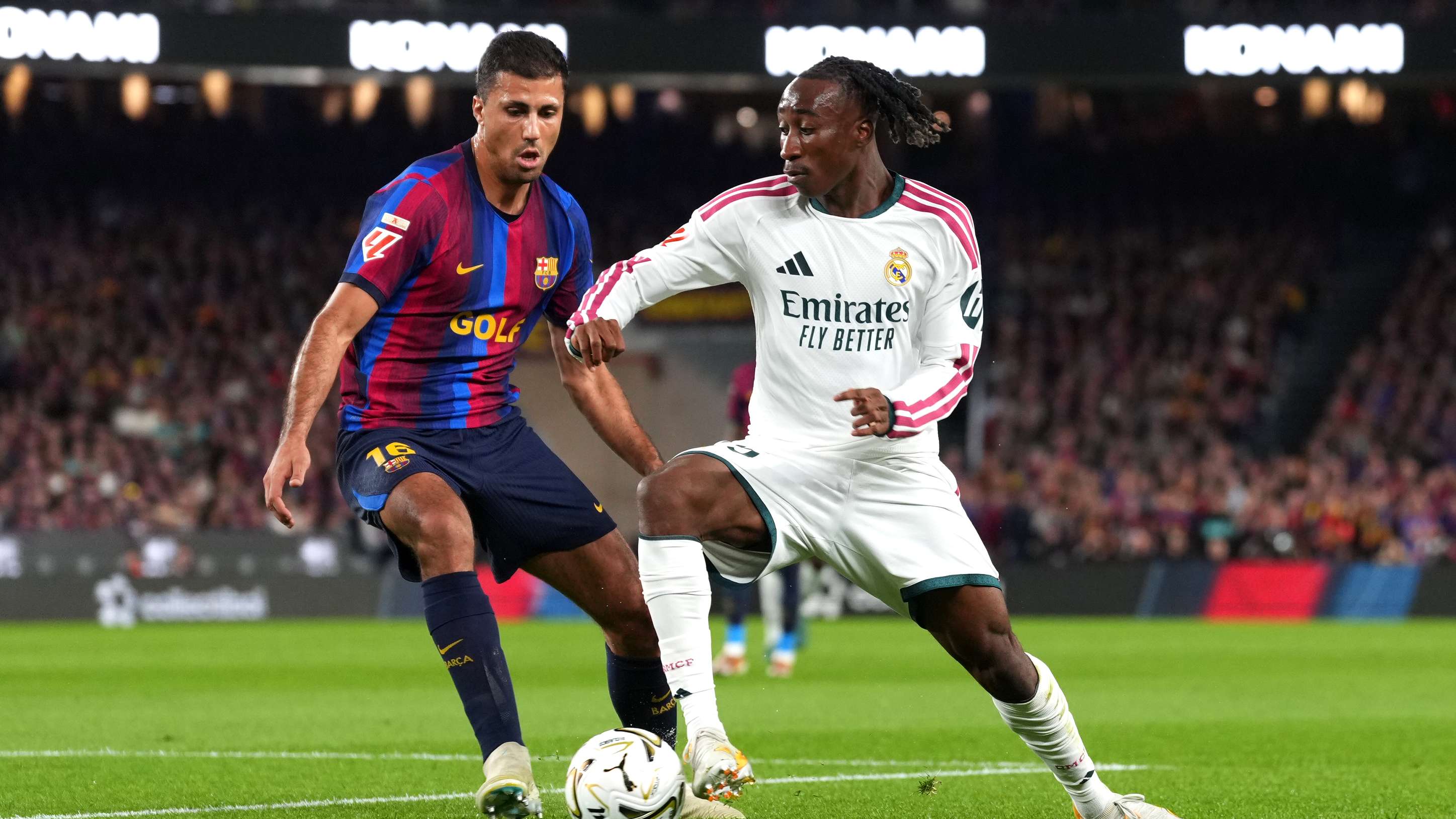
Diomande’s first weeks at Madrid did not immediately suggest that he would become one of the team’s most influential attacking options. He made limited appearances and at times looked hesitant, an understandable adjustment for a 19-year-old moving into a high-pressure environment after a relatively short spell in top-level football.
That early caution has increasingly given way to confidence. Across his first 14 appearances of the season, Diomande has scored four goals and provided four assists, starting seven matches. Those figures are encouraging, but his contribution is not limited to the final touch. He has brought Madrid greater energy on the wing, worked hard without the ball and shown a willingness to take defenders on when possession turns into an attacking opportunity.
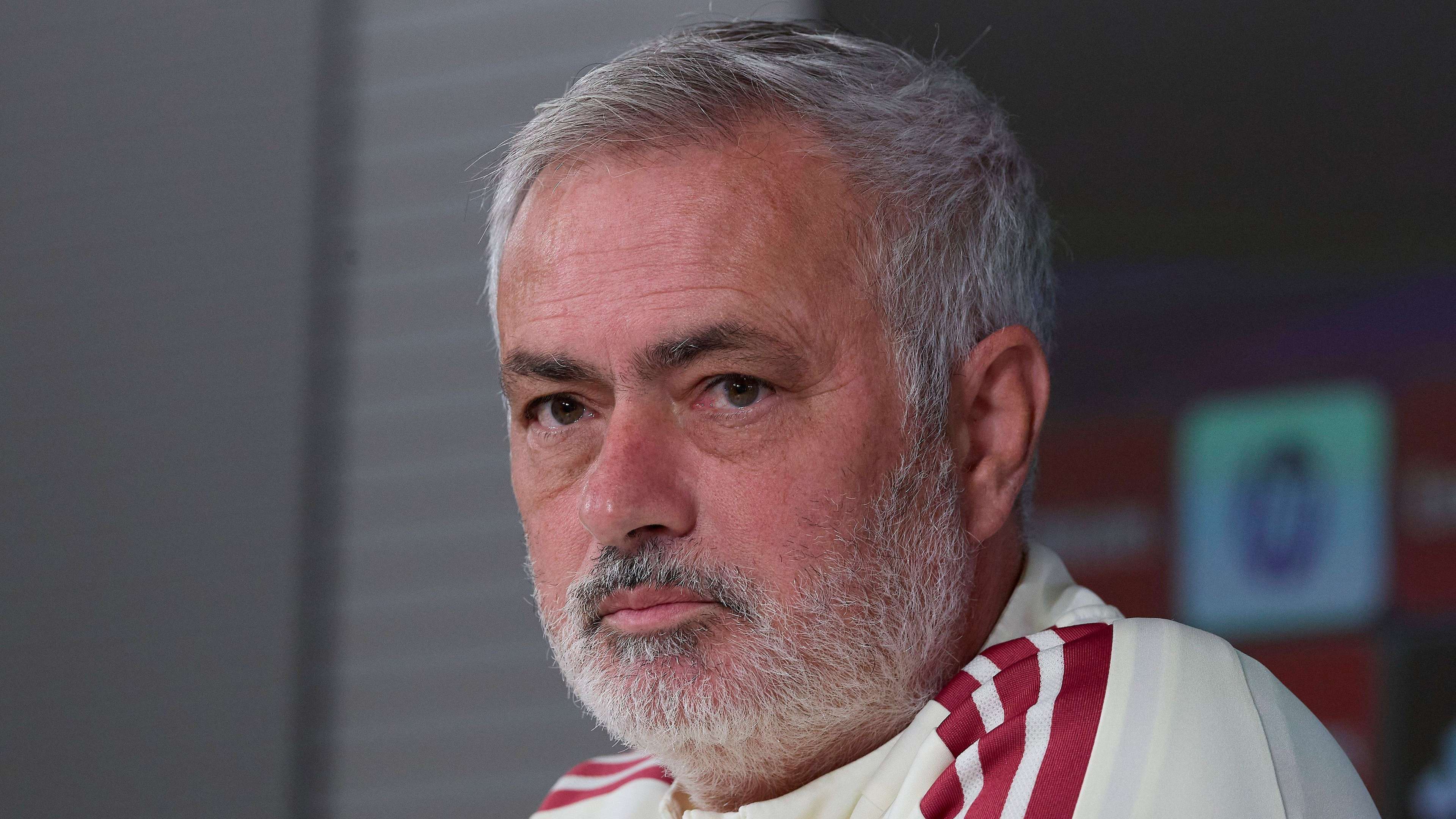
His recent form has been especially striking. In five of Madrid’s last six matches under José Mourinho, Diomande has either scored or assisted. That run has helped shift the conversation around him from whether he can adapt to whether he should be included in the starting lineup more regularly.
Opportunity opens the door in Madrid’s attack
Diomande’s increased involvement has coincided with a period of change in Madrid’s forward line. Vinícius Júnior’s absence from La Liga after an incident involving William Saliba during the match against Villarreal created an opening, and Diomande has used his minutes to make a strong case for himself.
Comparisons with Vinícius are now difficult to avoid. Both players offer pace, direct running and the ability to unsettle defenders in one-on-one situations. Yet the comparison should be treated carefully: a promising run of performances does not erase Vinícius’s established record, and Diomande is still learning how to deliver consistently across a full season.
For Madrid, the more immediate question is how to make the best use of both players. Competition for a place can raise standards, while tactical flexibility may allow the club to give each winger opportunities without forcing a premature choice between them. Diomande’s defensive work also gives him a different dimension, potentially making him useful in matches where Madrid need their wide forwards to contribute more than goals and assists.
What the transfer fee says about Madrid’s expectations
A reported package that could reach €140 million places Diomande among the most expensive players in football history. That figure inevitably creates pressure, particularly for a teenager who has not yet built a long record at the highest level. Every quiet performance can attract scrutiny, while every strong display raises expectations further.
Transfer fees, however, are shaped by more than a player’s current output. Clubs pay for potential, age, market competition, contract circumstances and the possibility that a young signing will become a central figure for many years. Madrid’s investment suggests it sees Diomande as more than a short-term solution: the club appears to believe he can become a major part of its future attack.
The Ballon d’Or clause is a striking illustration of that ambition. Winning the award is an extraordinary achievement, not a realistic measure by which to judge a player after only a handful of matches. Still, the reported bonus gives the transfer an intriguing prediction: if Diomande reaches the very top of the game in a Madrid shirt, Leipzig will share in the financial reward.
A long road ahead for Diomande
At 19, Diomande has plenty of time to develop, but the next steps will matter. He must show that his recent impact can be sustained against different opponents, manage the physical demands of a long campaign and continue refining his decision-making in the final third. Consistency, rather than a brief burst of form, will determine whether he becomes a regular starter.
His international future with Ivory Coast adds another dimension to his development. Balancing club football with national-team responsibilities can be demanding, particularly for a young player adjusting to a new country and a prominent role. But regular exposure to high-level matches could also accelerate his progress and help him mature as a winger.
For now, Madrid’s supporters have reason to be encouraged. Diomande has responded to a difficult start with goals, assists, defensive effort and growing confidence. Whether he ultimately justifies the transfer fee—or comes close to a Ballon d’Or—is impossible to predict. What is clear is that his performances have made him one of the most compelling young players to watch in European football.