
Rio Ferdinand Faces Backlash After Social Media Exchange With Saeed TV
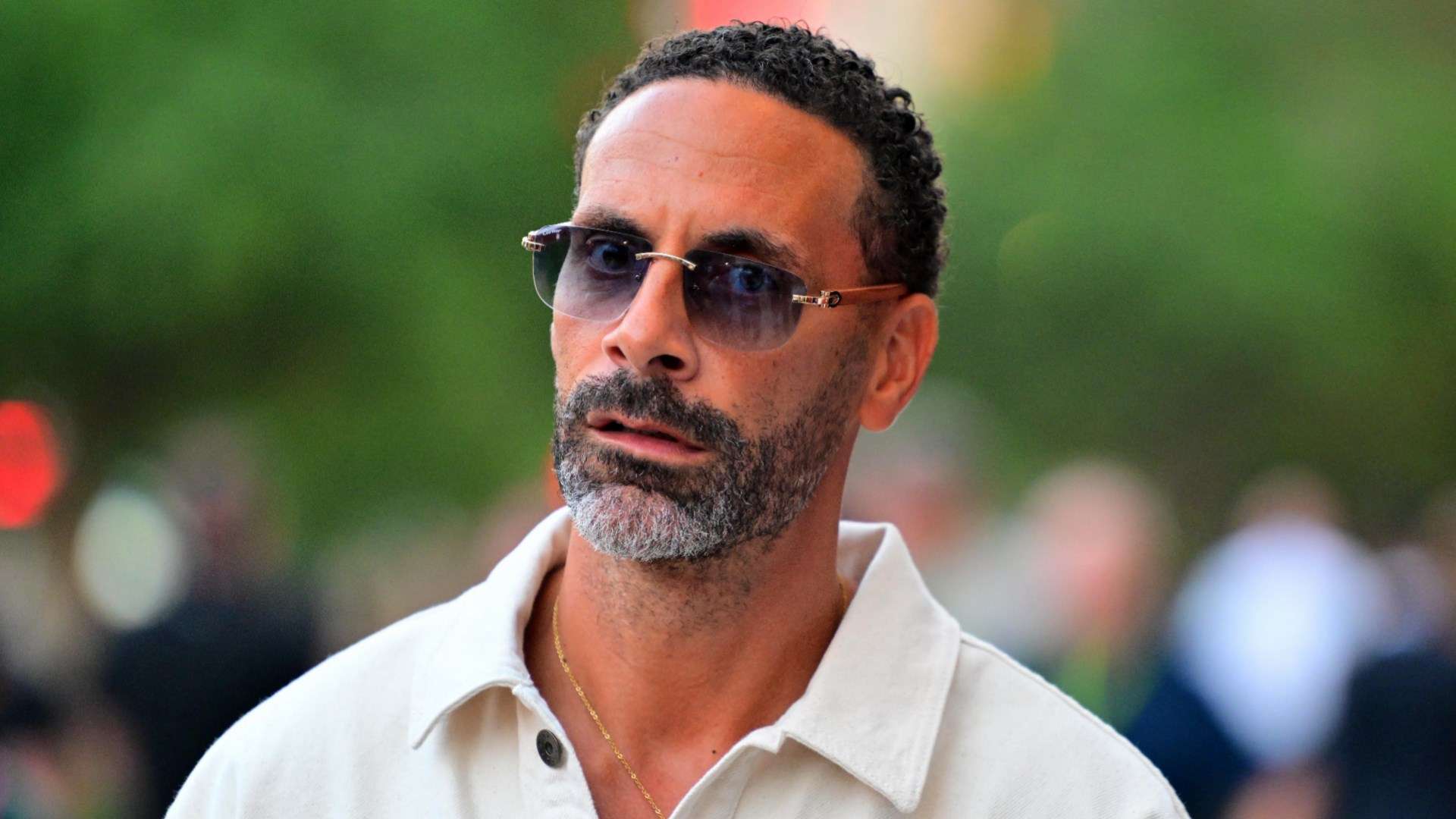
Former Manchester United defender Rio Ferdinand has drawn intense criticism online after appearing to make a body-shaming remark about prominent club influencer Saeed TV. The confrontation unfolded on social media amid a heated discussion about Manchester United’s ownership, turning a debate over the club’s future into a wider argument about public conduct and personal attacks.
The episode quickly attracted attention from supporters, many of whom were already divided over the club’s leadership, direction and ownership structure. While some users defended Ferdinand’s right to respond forcefully to criticism, others argued that comments about someone’s appearance cross a line—particularly when made by a high-profile former player with a substantial public platform.
How the Manchester United Ownership Debate Escalated
Ownership has remained one of the most contentious subjects in the Manchester United community. Supporters have spent years debating who should control the club, how it should be financed and whether its leadership is making decisions that match its sporting ambitions. Those questions are especially sensitive because United’s identity and success have long been central to the lives of fans around the world.
Ferdinand, a former United defender and one of the club’s most recognisable modern-era players, is no stranger to public discussion about football. Through broadcasting, interviews and social media, he regularly comments on the team’s performances and the issues surrounding the club. Saeed TV, meanwhile, has built an audience by sharing opinions and commentary aimed at Manchester United supporters.
The exchange reportedly began in the context of disagreement over ownership. Rather than remaining focused on the substance of that debate, the conversation became personal, prompting accusations that Ferdinand had targeted Saeed TV’s appearance. The incident then spread beyond the original posts as users shared reactions, commentary and criticism across social platforms.
Why the Reaction Has Been So Strong
Online responses have reflected a sharp split among supporters. Critics have described the apparent remark as unnecessary and disrespectful, arguing that a disagreement about football governance should be answered with evidence, reasoning or a challenge to someone’s claims—not a comment about their body. For those fans, the controversy is about more than one exchange: it raises questions about how public figures use their influence when debates become heated.
Others have urged people not to lose sight of the original topic. They argue that social media arguments can become exaggerated as short extracts circulate without the full context, and that public figures should be judged on their wider record rather than a single moment. Some supporters have also pointed to the combative nature of online football culture, where influencers, former players and fans often trade sharp remarks in front of large audiences.
That defence, however, has not prevented the backlash. Body-shaming is widely viewed as a personal attack that can cause harm regardless of the target’s public profile. When a well-known figure appears to make such a remark, the size of their audience can amplify its reach and encourage others to repeat or escalate the abuse.
Football’s Influencer Culture and the Power of Social Media
The dispute highlights how much the football conversation has changed. Discussions once led mainly by newspapers, broadcasters and club officials now take place across podcasts, video channels and social platforms. Fan creators can build large communities and influence how supporters interpret events, while former players can communicate directly with millions of followers without relying on traditional media outlets.
This shift has made football coverage more immediate and varied. Supporters can hear a wide range of perspectives, challenge established narratives and take part in conversations about everything from tactics to ownership. But the same speed that makes social media engaging can also make disputes harder to contain. A brief post can be screenshotted, reposted and debated long after the original participants have moved on.
For clubs such as Manchester United, where every major decision attracts global scrutiny, online disagreements can quickly become part of the wider story. Arguments about ownership may involve complicated questions about investment, accountability and long-term planning, yet those issues are often reduced to personal confrontations. That can make it more difficult for fans to separate a genuine discussion of the club’s future from the personalities involved.
What the Controversy Means for Ferdinand’s Public Image
Ferdinand’s standing among United supporters is shaped by more than his online activity. He remains a celebrated former defender whose career included major honours and a prominent role during one of the club’s most successful periods. At the same time, his work as a pundit means his opinions are constantly examined, particularly when he comments on issues that divide the fanbase.
The incident may therefore affect how some supporters view his approach to public debate. Fans who expect former players to bring experience and authority to discussions may be disappointed if a disagreement appears to become personal. Others may see the reaction as part of the intense scrutiny that comes with being a prominent voice in modern football.
Any lasting impact will depend partly on what happens next: whether Ferdinand clarifies his comments, addresses the criticism or allows the controversy to fade. In fast-moving online debates, the response can be as important as the original remark. Acknowledging the concern and returning attention to the substantive issue may help prevent the dispute from overshadowing the broader discussion.
Ownership, Accountability and the Future of Manchester United
For supporters, the central questions about Manchester United remain unresolved by the social media row. Fans continue to consider what kind of ownership would best support the club, how decision-makers should be held accountable and what investment is needed to compete consistently at the highest level. Those debates can influence expectations around recruitment, infrastructure, leadership and the team’s long-term football strategy.
There is no reliable prediction that one online exchange will alter the club’s ownership situation or its sporting plans. Its more immediate effect is likely to be on the public conversation surrounding the issue. The controversy demonstrates how quickly attention can shift from policy and performance to personal conduct, especially when prominent figures and influential fan voices are involved.
Ultimately, the backlash serves as a reminder that football debate can be passionate without becoming demeaning. Supporters are entitled to challenge opinions about Manchester United’s ownership, and public figures can respond to criticism. But arguments are more constructive when they address the claims at hand rather than someone’s appearance. As the club’s future continues to generate strong opinions, the way its most visible voices conduct those conversations will remain part of the story.