
Harry Kane’s Ballon d’Or win sparks debate over a surprising jury vote
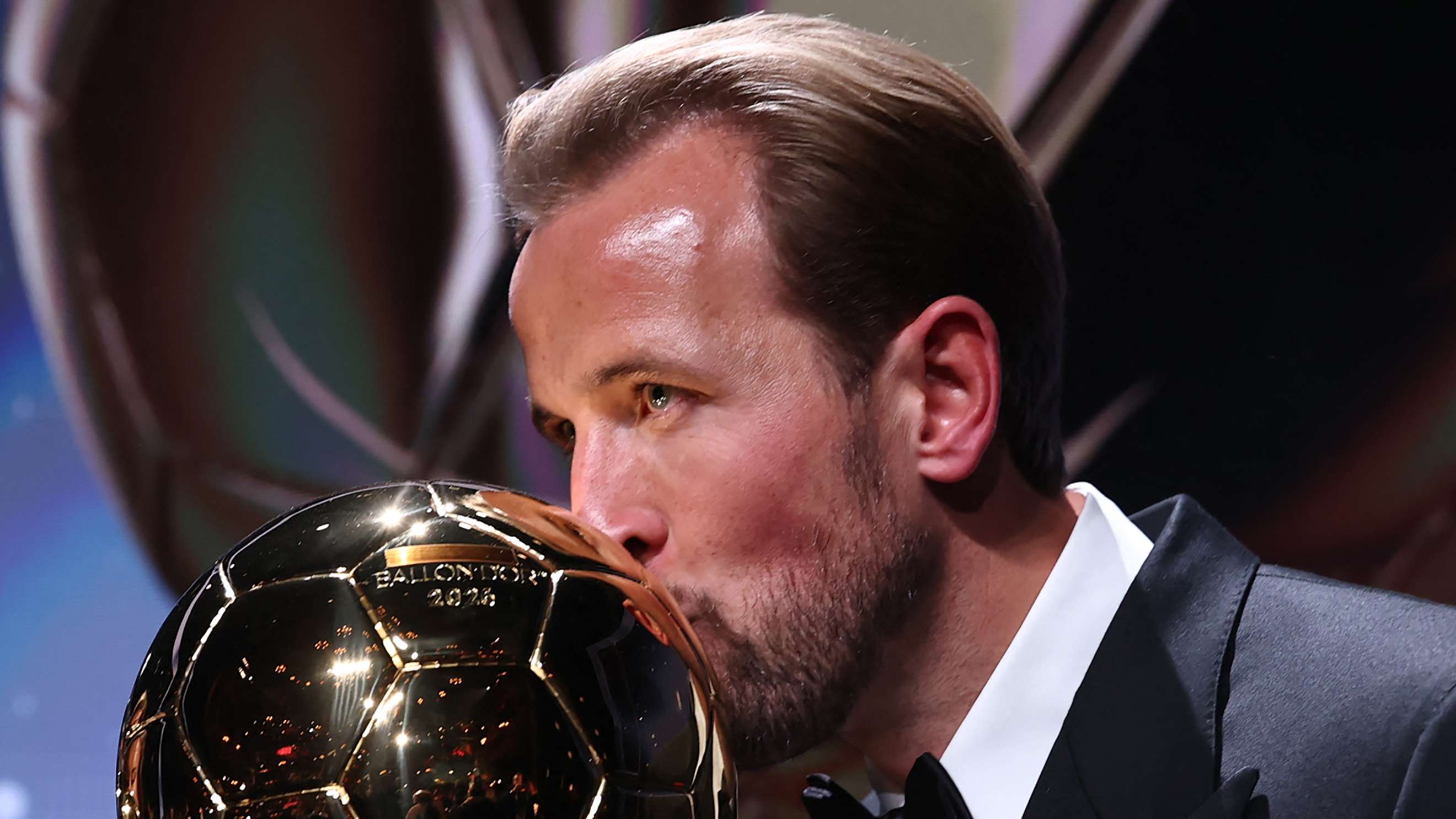
Harry Kane’s triumph in the 2026 Ballon d’Or has been celebrated as a landmark moment for the England captain, but one voter’s ranking has drawn attention for a very different reason. Croatian journalist Dravko Rijec placed Kane only sixth on his personal ballot, behind players including Ferran Torres and Kylian Mbappé. He also left Lamine Yamal—who finished third in the final results—off his list altogether.
Rijec has since acknowledged that his assessment of Kane’s season was wrong, according to a report published by German newspaper Bild. The admission has reignited discussion about how individual votes shape football’s most prestigious individual award, and how challenging it can be for jurors to compare players whose roles, teams and achievements differ so widely.
A striking gap between the winner and one voter’s ballot
Kane’s sixth-place position on Rijec’s ballot stands out because the striker ultimately claimed the Ballon d’Or. The Croatian journalist’s top three choices were Rodri, Erling Haaland and Lionel Messi, while Kane was ranked below Ferran Torres and Kylian Mbappé. Yamal, one of the leading names in the final standings, did not appear among Rijec’s ten selections.
The contrast does not mean the final award was decided by a single voter. Ballon d’Or results are based on ballots submitted by a panel of journalists, with players ranked according to a points system. Each juror’s choices contribute to the overall outcome, so one unusual list may attract attention without determining the winner. Still, a major difference between a voter’s ranking and the final result can prompt questions about the criteria used to judge a season.
Rijec has served as a France Football juror since 1992 and writes for Croatian newspaper Sportske Novosti. His long experience makes his reassessment notable: rather than defending a controversial selection, he has reportedly conceded that he misjudged Kane’s campaign.
Why Kane’s season made a compelling Ballon d’Or case
Kane’s victory reflects the scale of his influence over the season, both as a prolific forward and as the central figure in his team’s attack. A striker’s contribution is often measured first through goals, but the strongest Ballon d’Or cases tend to rest on a broader picture: consistency, performances in decisive matches, leadership and the ability to shape a team’s results.
For Bayern Munich, Kane’s responsibilities extend beyond finishing chances. He can drop into midfield to connect play, hold up the ball under pressure and create openings for teammates, as well as attack the penalty area. That combination makes him more than a traditional number nine and helps explain why his overall impact can be difficult to capture through a single statistic.
International performance also forms part of the wider conversation around elite players. Kane is England’s captain and a key figure for his national side, meaning his performances are often judged in the context of both club and country. For Ballon d’Or voters, the challenge is deciding how to balance individual production with team success, major-match influence and the quality of competition faced throughout the year.
Yamal’s absence adds another layer to the debate
The omission of Lamine Yamal from Rijec’s top ten has become a separate talking point. Yamal’s third-place finish in the final standings shows that many voters considered him among the leading players of the year. His rise has been one of the most closely followed stories in European football, with his technical ability, creativity and composure attracting attention well beyond his age group.
Young players can be difficult to assess in an award race. Some voters may prioritise a full season of sustained performance, while others place greater weight on a player’s influence in high-profile matches or the significance of their achievements relative to their age and experience. Those different interpretations are part of what makes individual awards contentious—and why the same campaign can produce sharply contrasting rankings.
Yamal’s absence from one ballot should therefore be viewed in context. It does not erase his strong final standing, just as Kane’s sixth-place ranking from one juror did not prevent him from winning the overall award. Instead, the contrast illustrates how personal judgement remains part of a voting process that brings together journalists from different countries and football cultures.
What the controversy says about Ballon d’Or voting
Every Ballon d’Or ballot is shaped by a voter’s interpretation of the award’s priorities. Some may favour individual statistics and consistency; others may emphasise trophies, decisive performances or a player’s importance to a team. Even when voters work from the same season of football, those priorities can lead to very different conclusions.
That subjectivity is also why unusual rankings attract public interest. Fans often compare the final result with individual ballots, especially when a winner is placed well outside a voter’s top positions or a leading contender is omitted entirely. Such comparisons can provide insight into the debate behind the award, though they do not necessarily reveal a simple right or wrong formula for judging players.
Rijec’s reported admission gives the story an additional dimension. His decision to concede that he underestimated Kane’s season highlights how a player’s influence may become clearer after considering the campaign as a whole. It also underlines the difficulty of evaluating a crowded field featuring established stars such as Messi and Haaland alongside emerging talents like Yamal.
A win that keeps the football conversation going
Kane’s 2026 Ballon d’Or victory is the headline achievement, but the reaction to Rijec’s ballot shows how individual rankings can continue to shape discussion after the ceremony. The debate is not only about who scored the most goals or who lifted the biggest trophy; it is also about how voters interpret leadership, consistency, creativity and influence across a demanding season.
For supporters searching for football predictions, award analysis and player rankings, the episode offers a reminder that no voting panel is entirely free from personal judgement. Kane emerged as the overall winner, Yamal finished third, and one experienced juror has admitted that his own list did not properly reflect the England striker’s campaign. That contrast is precisely what keeps the Ballon d’Or—and the arguments surrounding it—at the centre of football conversation.