
Saudi Arabia Begin 2027 Asian Cup Preparations with Doha Camp
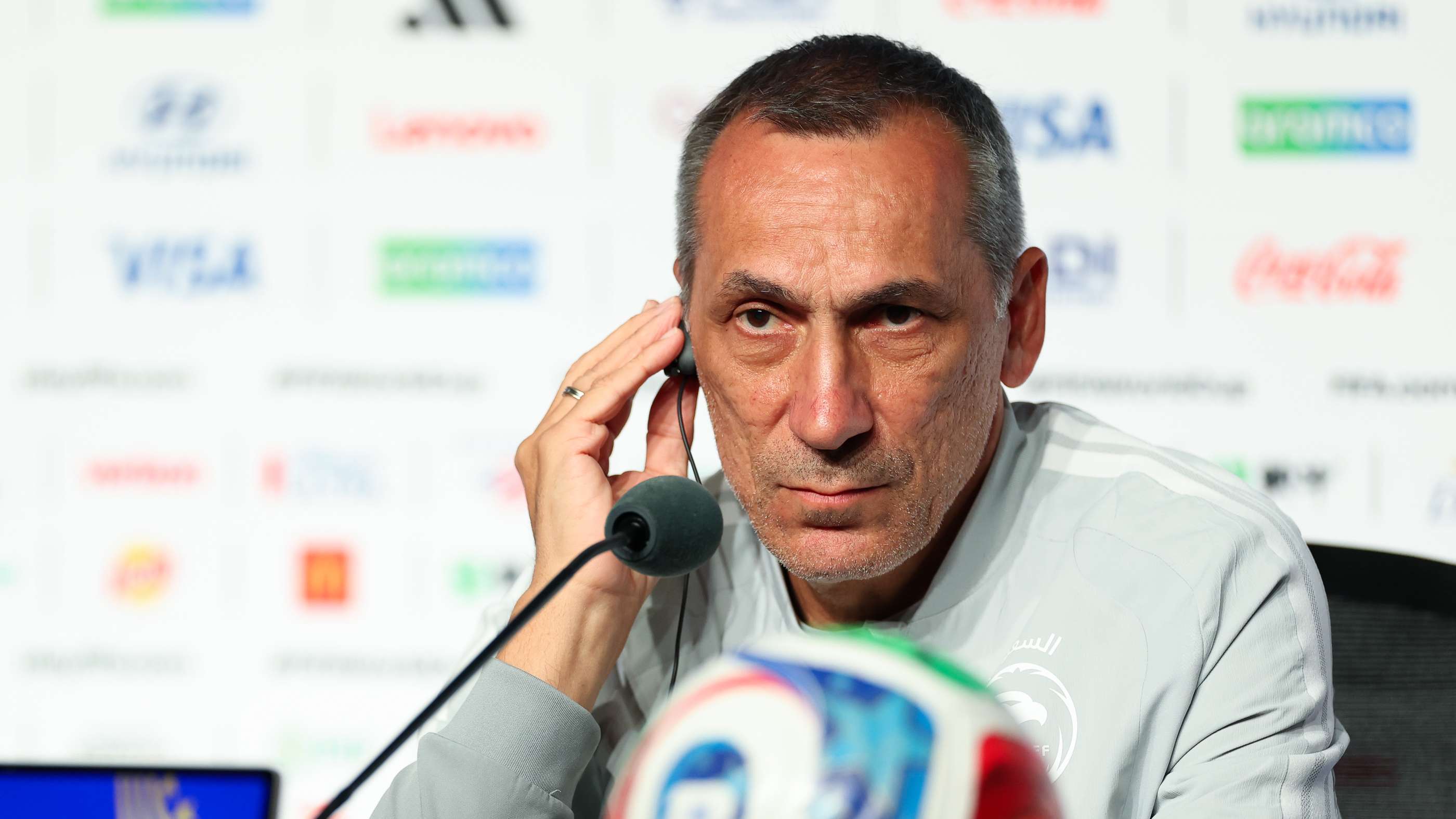
Saudi Arabia are preparing to take an important step toward the 2027 AFC Asian Cup, with head coach Georgios Donis expected to announce his squad for an international camp in Doha in the coming week. The gathering will give the Green Falcons an early opportunity to build momentum, assess returning players and explore tactical options ahead of the continental tournament.
Scheduled during the international window from 9 to 17 November, the camp will include two high-profile friendlies. Saudi Arabia are due to face South Korea on 13 November before taking on Uzbekistan four days later. Both matches offer a demanding test for Donis’s side: South Korea bring pace and experience, while Uzbekistan are a competitive regional opponent with the organisation to challenge Saudi Arabia across the pitch.
For supporters following the team’s progress, the fixtures will provide more than a chance to judge results. The coaching staff can use them to evaluate combinations, examine the squad’s depth and decide which players are best suited to the demands of the Asian Cup. Any football prediction about Saudi Arabia’s prospects remains premature, but the November camp should offer useful clues about the team’s direction.
Recent Gulf Cup Success Provides a Starting Point
Donis is expected to retain a strong core from the squad that most recently gathered and won the Gulf Cup. That success gives the coach a foundation of players familiar with his methods and with the pressure of competing together. However, the final selection is not expected to be a straightforward repeat of the previous group.
Fitness, current club form and disciplinary considerations could all influence the list, according to reporting by Asharq Al-Awsat. With several players returning from injury and others competing for places, Donis faces a balancing act: preserve the continuity that helped deliver the Gulf Cup while also giving emerging options a chance to prove themselves.
Al-Juwair and Al-Dawsari Could Return
Midfielder Mosaab Al-Juwair is among the players in contention for a recall. He missed the previous camp for disciplinary reasons, but his appearance during the Gulf Cup celebrations has renewed attention around his potential place in Donis’s plans. A return would give the coach another midfield option and allow him to assess Al-Juwair’s readiness in a competitive international setting.
Captain Salem Al-Dawsari is also a major focus. The experienced winger has recovered from the injury he sustained near the end of Saudi Arabia’s campaign at the 2026 World Cup finals. His availability could be valuable, both for his attacking quality and leadership, but the coaching staff are expected to make a final decision after considering his fitness and match readiness.
Injuries Leave Donis Waiting on Key Players
Several injury situations could shape the squad before it is confirmed. Hammam Al-Hammami is continuing his rehabilitation after suffering a hamstring problem in the Gulf Cup final, while goalkeeper Nawaf Al-Aqidi is also sidelined. Midfielder Alaa Al Haji remains under observation after being injured during the tournament and is still working through his recovery programme.
Sources cited by Asharq Al-Awsat say the medical team are monitoring Al-Aqidi, Al Haji and Al-Hammami closely, providing regular updates to Donis and his staff. Their progress toward full training will be an important factor in determining whether they can join the Doha camp or whether replacements will be required.
The uncertainty is particularly significant in midfield, where Al Haji’s absence could prompt Donis to test alternative combinations. A friendly camp is an ideal setting to examine those options, but the coach will need to weigh the benefits of including recovering players against the risk of rushing them back before they are fully fit.
Goalkeeping and Defensive Cover Under Review
If Al-Aqidi is unavailable, Abdulrahman Al-Sanbi is one candidate to fill the gap. He joined Saudi Arabia’s preparatory camp in the United States and trained with the national team ahead of the 2026 World Cup, although he did not make the final tournament squad. A recall would offer him another opportunity to demonstrate his credentials and strengthen the team’s goalkeeping depth.
At the back, Hassan Kadesh’s long-term injury is expected to require a change. Ali Lajami is among the leading possibilities to step in, having been part of Saudi Arabia’s 2026 World Cup squad. His experience at international level could make him a practical choice as Donis looks to maintain stability in defence.
The coaching staff may also use the camp to bring younger defenders into the senior setup. Al-Fateh centre-back Abdulaziz Al-Suwailem is a potential candidate after impressing last season and earning a place on the shortlist for the Saudi league’s best promising player. A call-up would fit the broader aim of refreshing the squad and gradually lowering its average age without sacrificing competitiveness.
Another name to watch is Saud Abdulhamid, who plays for French club Lens. He missed the previous national-team gathering through injury but has returned to regular club minutes this month. If his fitness continues to improve, his recent playing time could strengthen his case for a return to the squad.
Possible 30-Man Squad Would Give Saudi Arabia More Options
The final number of players travelling to Doha has not been confirmed, but expectations are that Donis could select as many as 30. That would be four more than the previous camp, giving the staff additional room to assess players and manage the impact of injuries and possible late returns.
A larger group would also allow Donis to compare different tactical profiles across the two friendlies. Against South Korea and Uzbekistan, he can test how his players respond to varied styles, rotate the squad and identify combinations that may prove useful in future preparation phases. The matches may not settle every question, but they should help clarify where competition for places is strongest.
Saudi Arabia’s longer-term objective is to assemble a balanced team capable of challenging at the 2027 Asian Cup. That process will depend on more than individual talent: squad fitness, defensive cohesion, midfield control and reliable attacking options will all matter. The Doha camp is an early building block rather than a final verdict, yet it offers Donis a valuable chance to shape his plans.
For fans, the most compelling storylines will be the possible returns of Al-Juwair and Al-Dawsari, the fitness updates on the injured trio and the emergence of younger players such as Al-Suwailem. The November fixtures should provide a clearer picture of Saudi Arabia’s depth and readiness—and a more informed basis for any prediction about the Green Falcons’ ambitions at the next Asian Cup.