
Mbappé Leads Egypt’s Reported Ballon d’Or Vote as Kvaratskhelia Surges into Second
The first reported glimpse behind the scenes of the 2026 Ballon d’Or has already sparked debate across the football world. Amr Naguib Fahmy, Egypt’s representative on the international voting panel, is said to have placed Kylian Mbappé at the top of his ballot, ahead of a striking mix of established stars and emerging talent.
According to 365scores, Fahmy’s selection reflects Mbappé’s standout campaign with Real Madrid. The French forward’s first-place finish in the Egyptian vote places him firmly among the leading names in early Ballon d’Or prediction discussions. However, the remainder of the reported ranking is just as notable: Khvicha Kvaratskhelia is second, Barcelona teenager Lamine Yamal third, and England captain Harry Kane fourth.
It is important to distinguish this individual ballot from the final award result. One juror’s choices offer an intriguing snapshot of how a voter assesses the season, but the Ballon d’Or winner is determined by the wider voting process. With the campaign still shaping the conversation, the eventual outcome will depend on performances, major honors, consistency and the criteria applied by the full panel.
Why Mbappé’s First-Place Ranking Matters
Mbappé’s position at the top of Fahmy’s reported list is unlikely to surprise many observers. The forward arrived at Real Madrid with enormous expectations, and every major performance has been scrutinized for what it might mean both for his club and his individual legacy. A strong season in Spain can strengthen a Ballon d’Or case, particularly if it includes decisive displays in high-profile domestic and European matches.
Still, the award is rarely settled by reputation alone. Voters typically weigh individual impact alongside team success, important goals and a player’s influence over the course of the season. Mbappé’s ranking therefore signals confidence in his overall contribution, while also setting up a familiar question: can his personal brilliance be matched by the trophies and defining moments that often shape the final vote?
The reported ballot also highlights how the award conversation has become more open. Rather than centering exclusively on a small group of long-established contenders, this list gives meaningful recognition to players whose seasons have taken different paths. That variety is one reason the latest football prediction debate is already gaining momentum.
Kvaratskhelia’s Second Place Adds an Unexpected Twist
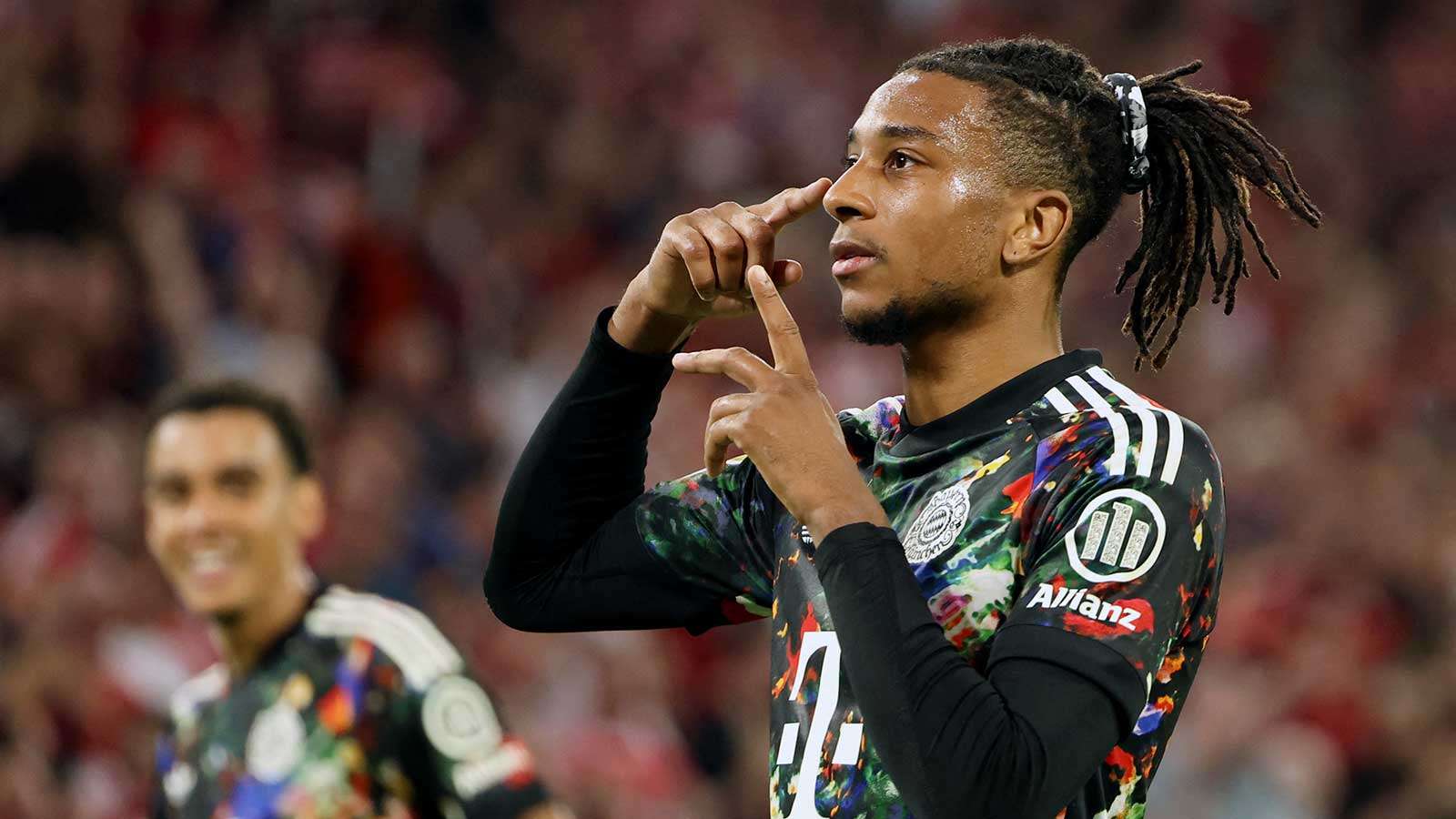
The biggest surprise in the Egyptian ranking may be Kvaratskhelia’s position ahead of Yamal. The Georgian winger has built a reputation for direct running, close control and the ability to unsettle defenders in one-on-one situations. Placing him second suggests Fahmy believes his influence deserves to be judged alongside the most celebrated names in the game.
Kvaratskhelia’s ranking also underlines how voters can value qualities that do not always show up in a simple goals-and-assists comparison. A player’s ability to create space, draw multiple defenders and change the rhythm of an attack can have a major effect on a team’s performance. If those contributions are paired with consistent end product and success in important matches, they can strengthen an individual award case considerably.
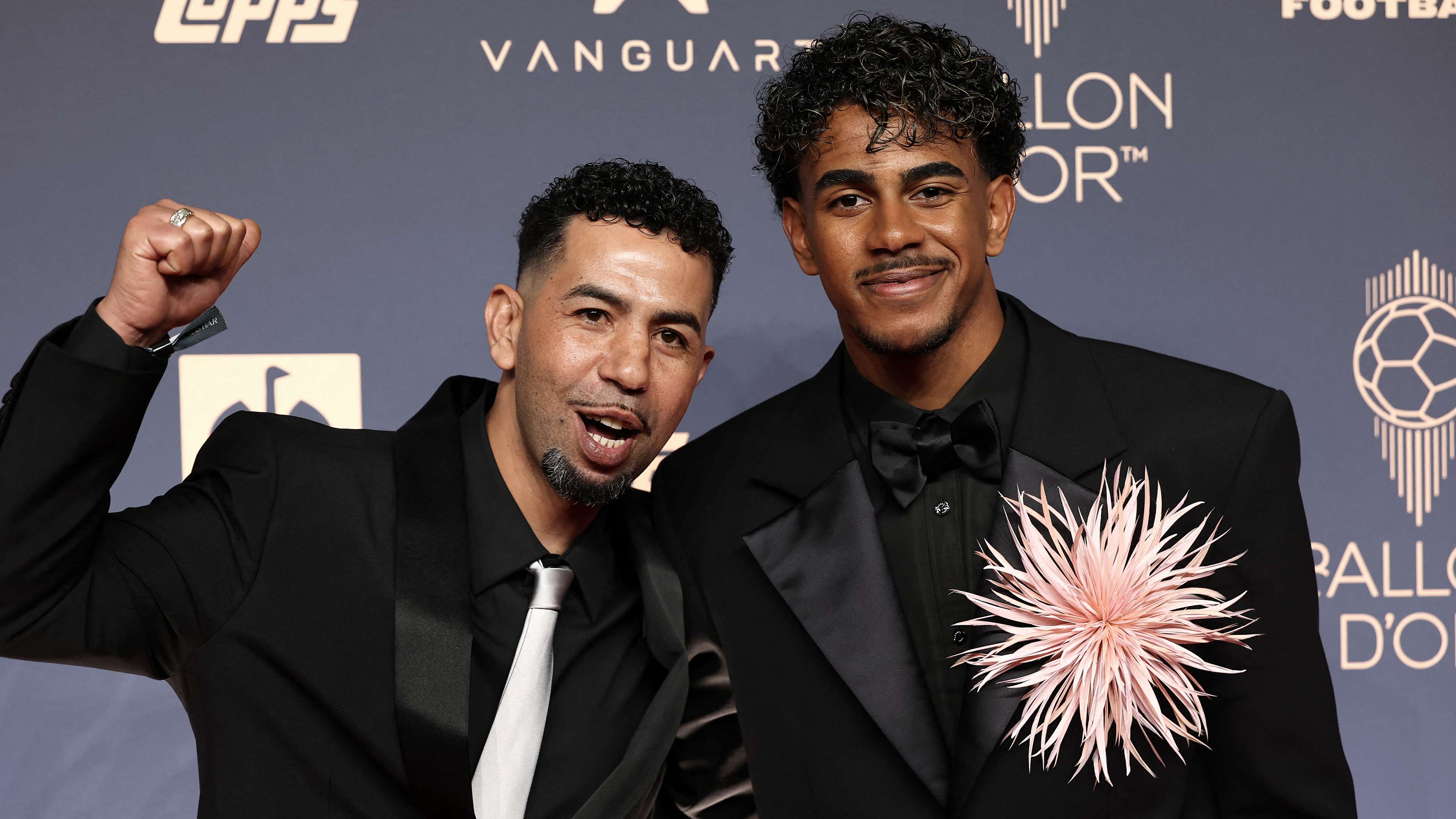
Yamal, meanwhile, remains one of the most compelling young players in world football. His third-place finish is a significant endorsement, especially given the attention that naturally follows a teenage star at Barcelona. The ranking points to a broader question surrounding the award: how should voters balance extraordinary potential and rapid development against the sustained achievements of more experienced players?
Kane, Vitinha and Rice Feature in a Competitive Top Ten
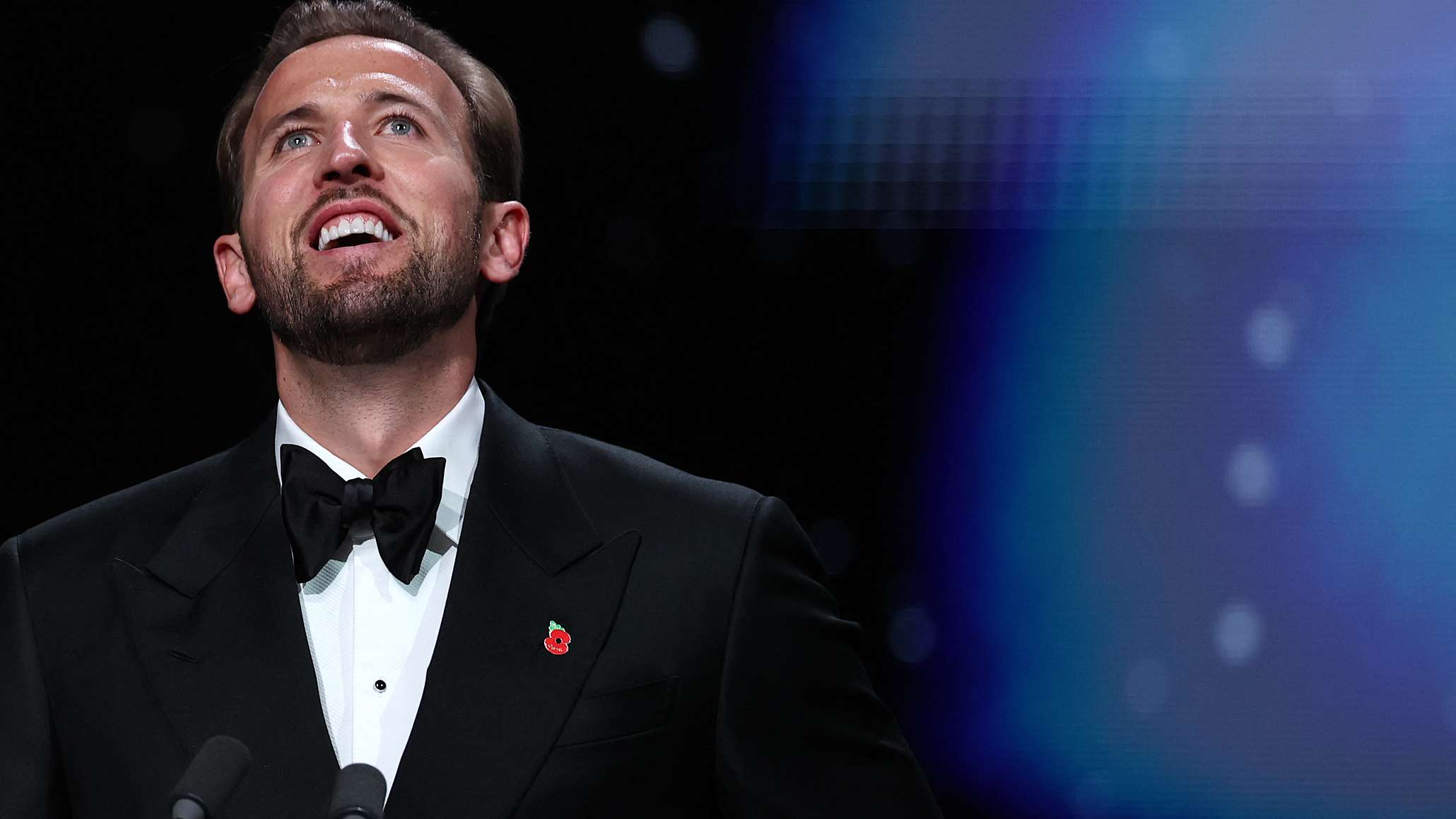
Kane’s fourth-place position gives the reported ballot another strong goal-scoring presence. The England forward has long been valued for more than finishing, combining his work in the penalty area with link-up play and the ability to create chances for teammates. His place near the top reflects the importance of consistent attacking production in the Ballon d’Or conversation.
Paris Saint-Germain midfielder Vitinha is fifth, ahead of England international Declan Rice in sixth. Their inclusion reinforces the case for midfielders in an award often dominated by forwards. The best midfield performances can be difficult to summarize in highlights: controlling possession, winning the ball back, progressing play and helping a side manage pressure are all central to a team’s success.
Jude Bellingham is seventh, followed by Spain’s Rodri in eighth. Both have been associated with major influence at club and international level, making their positions notable in a list that places several different types of players in contention. Their rankings also show how crowded the field can become when elite forwards, creative midfielders and defensive leaders all have credible claims.
Cubarsí and Fabián Ruiz Complete the Ranking
Barcelona defender Pau Cubarsí’s appearance in ninth place is one of the ballot’s boldest choices. The young centre-back has attracted attention for his composure, awareness and ability to contribute to build-up play. Including a defender so high in a top-ten list suggests Fahmy is willing to look beyond headline statistics and consider the importance of defensive quality and maturity.
Spain midfielder Fabián Ruiz rounds out the reported selection in tenth. His inclusion adds another dimension to a ranking that spans attacking stars, emerging prospects and players whose influence is often measured through their work across the pitch. Together, the names form a list that is less predictable than a straightforward ranking of the season’s most prolific scorers.
What the Early Ballot Could Mean for the 2026 Race
Fahmy’s reported choices have offered an early talking point, not a definitive forecast. Ballon d’Or voting can shift as the season develops, especially when major tournaments, European knockout matches and late title races produce memorable performances. A single decisive goal or a run of dominant displays can change the way a campaign is remembered.
The ballot nevertheless provides a useful view of the debate’s possible direction. Mbappé leads, but Kvaratskhelia’s second-place finish challenges conventional expectations. Yamal’s presence keeps the focus on football’s next generation, while Kane, Bellingham, Rodri, Rice and Vitinha represent established contenders with different strengths. Cubarsí’s ranking, meanwhile, shows that defensive excellence can still earn a place in the discussion.
For supporters following every football prediction and Ballon d’Or update, the key takeaway is that the race appears far from settled. The final judgment will depend on the complete season and the perspectives of the full voting panel. Until then, this reported Egyptian ballot has done what an early leak often does best: fuel debate, test assumptions and remind fans that the world’s most prestigious individual award rarely follows a simple script.