
Erik ten Hag explains why he turned down Feyenoord coaching opportunity
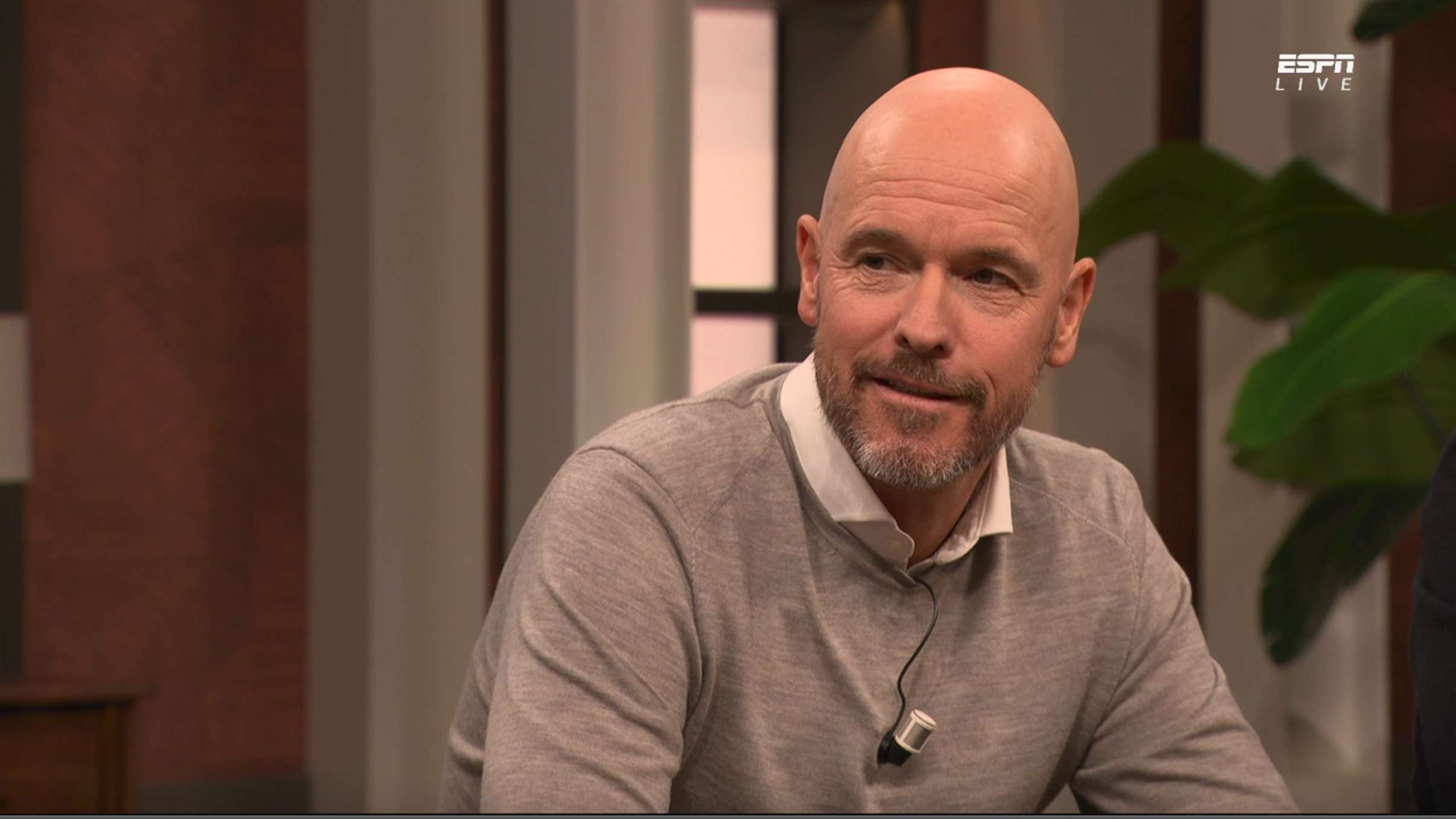
FC Twente technical director Erik ten Hag has revealed why he declined an approach from Feyenoord after the Rotterdam club dismissed head coach Brian Priske in February 2025. Speaking on Goedemorgen Eredivisie, the former Ajax and Manchester United manager said the decision reflected both his history with Ajax and a personal need to step away from the demanding pace of coaching.
Feyenoord were looking for a successor after a disappointing run of league results, and club director Dennis te Kloese contacted Ten Hag about taking charge. Although the pair shared a positive conversation and Ten Hag felt a connection with Te Kloese, he ultimately decided the timing was not right.
Ajax history played a part in Ten Hag’s decision
Ten Hag acknowledged that Feyenoord’s stature and the interest shown by the club made the approach significant. However, his strong association with Ajax—Feyenoord’s historic rival—was an important consideration.
“I had a long phone conversation with Feyenoord. They are a great club and I felt a certain connection with Te Kloese, but my history at Ajax led me to decide against it,” Ten Hag said.
His spell at Ajax remains one of the defining periods of his coaching career. Between 2018 and 2022, he guided the Amsterdam side to domestic success and a memorable run to the 2019 Champions League semi-finals. That legacy made a move to Feyenoord more complicated than simply accepting another high-profile job, particularly given the rivalry between the clubs and the expectations that come with it.
Ten Hag’s comments also underline how football decisions are shaped by more than a club’s reputation or the prospect of competing for trophies. Personal connections, career history and the pressure of a new role can all influence whether a manager believes a move is the right one.
A rare pause after 17 years on the move
Ten Hag said he had spent 17 years moving from one coaching challenge to another, continuing directly into football management after his playing career. By the time Feyenoord approached him, he had reached a point where he wanted to slow down and consider what he wanted from the next stage of his career.
“After 17 years of always being on the move as a coach, having carried straight on after my career, I had finally reached a point where I could take a step back for a while,” he explained.
Rather than immediately returning to the touchline, Ten Hag wanted time to reflect and explore a different role in the game. He described the break as an opportunity to take stock, reassess his priorities and experience something outside the constant demands of coaching.
“To take stock, reflect and do something different for once. Ultimately, I think it was good to take a step back from football for a while,” he said.
The decision is notable in a sport where high-profile managers are often expected to move quickly from one job to the next. A pause can offer a different perspective on the pressures of elite football, including the weekly cycle of preparation, results and scrutiny. For Ten Hag, it appears to have helped create space for a fresh challenge in a sporting-director role.
Ten Hag leaves the door open to Ajax return
During the programme, former player Timo Letschert asked Ten Hag whether he could imagine coaching Ajax again. Ten Hag did not rule out the possibility, but was careful to avoid turning a hypothetical answer into a prediction about his future.
“I wouldn’t rule it out, but before we get any headlines: I’m now technical director at FC Twente and I’m very happy there,” he said.
That response reflects Ten Hag’s current focus. At FC Twente, he is working in a different capacity from the one that brought him international recognition. A technical director helps shape a club’s longer-term sporting plans, which can include recruitment, squad development and alignment between the first team and the wider football structure.
His comments should therefore not be read as confirmation that he is preparing to return to coaching. Instead, they leave open a possibility while making clear that he is content with his present position. In football, speculation about a manager’s next move can quickly gather momentum, but Ten Hag’s own words offer a more measured picture.
Feyenoord’s coaching search continued
After Ten Hag declined, Feyenoord appointed Robin van Persie. The former Netherlands striker led the team to a second-place finish the following season, but the club dismissed him in the summer. The sequence illustrates how quickly expectations can shift at a major club: a strong league position does not always guarantee a coach’s future when the board believes a change is needed.
For Feyenoord, the search for stability has taken place against the backdrop of intense competition in Dutch football. Ajax, PSV and Feyenoord all face pressure to deliver results while managing squad changes, European commitments and the demands of a packed schedule. Choosing a head coach is consequently a major strategic decision, not simply a reaction to a short run of results.
What Ten Hag’s decision says about the Dutch football landscape
Ten Hag’s explanation offers a glimpse into the personal and professional calculations behind a high-profile coaching appointment. Feyenoord represented a major opportunity, but his Ajax history and desire for a break outweighed the appeal of an immediate return to the dugout. His current satisfaction at Twente also suggests he is not in a hurry to change roles.
For supporters following the Eredivisie, the story adds context to the coaching choices that shape the league’s biggest clubs. It also provides a reminder that any prediction about Ten Hag’s next move remains uncertain. He has not ruled out coaching Ajax again, but his immediate message is clear: he is focused on FC Twente and values the chance to contribute to football from a different position.