
Adriano Galliani Enters the Race to Lead Italian Football
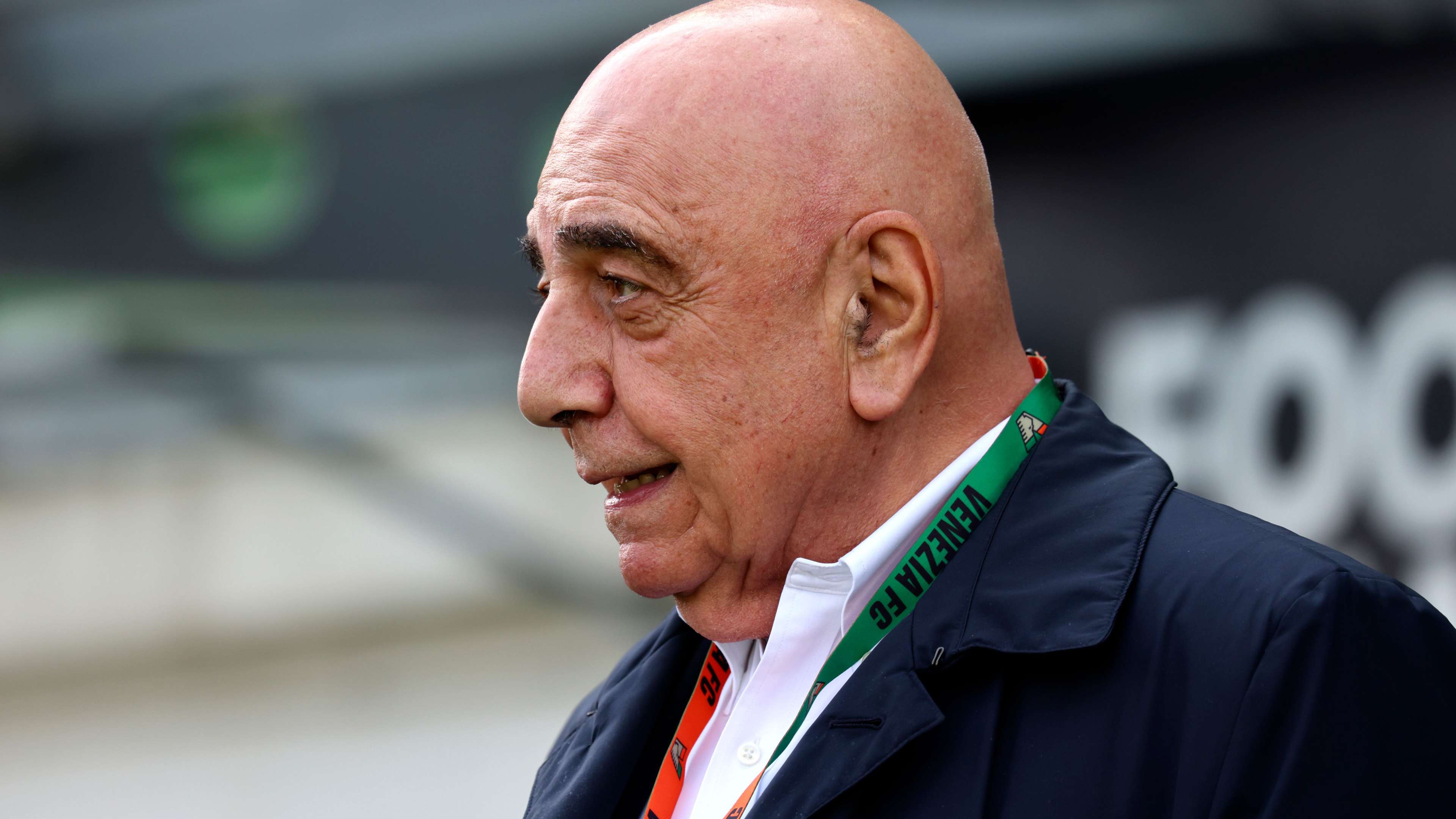
Adriano Galliani has formally entered the contest to become president of the Italian Football Federation, adding a prominent and experienced figure to the race for leadership of the country’s football governing body. The candidacy was submitted through a representative, according to information obtained by ANSA.
Galliani’s move comes just one day after Giovanni Malagò, the current FIGC commissioner, filed the paperwork required to stand for the presidency. With both names now in the contest, attention is turning to the electoral assembly scheduled for 14 December, when delegates will choose the next leader of Italian football.
Election Campaign Takes Shape Ahead of December Vote
The December assembly is expected to be an important moment for the FIGC, which oversees the organisation and development of football in Italy. The federation’s president has a central role in guiding its priorities, representing the sport nationally and internationally, and working with clubs, leagues, players and other stakeholders.
Galliani’s candidacy brings decades of experience in the Italian game into the election campaign. He is widely associated with senior football administration and club leadership, giving him a detailed understanding of the pressures facing professional teams and the wider football system. His entry could prompt debate over the direction the federation should take, including how it can strengthen its governance and support the sport at every level.
Malagò, meanwhile, approaches the contest from his current position as FIGC commissioner. His decision to submit his candidacy places the federation’s existing leadership at the centre of the election discussion. The two candidates offer voters distinct backgrounds, and their proposals will be closely watched as the assembly date approaches.
Why FIGC Leadership Matters
The FIGC’s responsibilities extend well beyond the national team. It is involved in setting regulations, overseeing competitions and supporting the development of football across Italy. Its decisions can affect professional leagues, grassroots clubs, youth programmes, refereeing and the structure of the game throughout the country.
That makes the presidential election significant for a broad range of football stakeholders. Clubs will be interested in the federation’s approach to financial and sporting sustainability, while supporters will look for leadership capable of helping Italian football remain competitive and compelling. Youth development and access to the game are also likely to feature in wider discussions about the FIGC’s future.
Any new president will need to balance immediate concerns with long-term planning. Italian football must manage the demands of a crowded calendar, changing commercial conditions and competition from leagues across Europe. The federation also has to maintain effective cooperation between different parts of the sport, whose interests do not always align.
What to Watch Before the Electoral Assembly
With the election set for 14 December, the next stage will be the campaign itself. Delegates will have the opportunity to assess the candidates’ experience, priorities and ability to build support. The formal announcement of a candidacy is an important step, but the eventual result will depend on the electoral process and the views of those entitled to vote.
One key question is how each candidate intends to address the federation’s long-term challenges. Supporters of reform may seek clearer governance and stronger coordination, while clubs and leagues may focus on practical measures that can improve the stability of competitions. The successful candidate will need to demonstrate that they can listen to these different groups and turn broad ambitions into workable plans.
There will also be interest in how the next FIGC president plans to promote football beyond the professional game. A healthy football system depends on local clubs, qualified coaches, safe facilities and opportunities for young players. Investment in these foundations can help widen participation and create a stronger pathway from grassroots football to the highest levels.
Election Prediction: Experience Could Be a Decisive Factor
It is too early to make a firm prediction about the outcome. Galliani’s administrative background and Malagò’s position as commissioner give both candidates credentials that may appeal to different parts of the football community. The balance of support among delegates, along with the policy priorities presented during the campaign, will be crucial in determining who emerges as the leading choice.
The contest is likely to be judged not only on reputation but also on each candidate’s vision for the FIGC. Voters may weigh questions of continuity against the need for change, as well as the candidates’ ability to unite stakeholders behind a shared agenda. A persuasive programme will need to address the realities of Italian football rather than rely solely on promises.
For fans, the election may seem distant from the action on the pitch, but federation leadership can influence the conditions in which the sport operates. Decisions about competition structures, development programmes and governance can shape the future of clubs and national teams alike. The December vote therefore carries significance well beyond the election room.
Galliani’s filing and Malagò’s earlier submission have established the opening picture of the race. As the 14 December assembly approaches, the focus will shift to the candidates’ plans and the support they can secure. The result will determine who leads the FIGC into its next chapter—and how Italian football responds to the opportunities and challenges ahead.