
Barcelona Face Defensive Test Ahead of Clásico as Koundé Misses Real Madrid Showdown
Barcelona will enter their latest Clásico against Real Madrid with key players unavailable and fresh questions over how best to balance the team. Jules Koundé has not recovered from an ankle injury in time for the match, leaving coach Hansi Flick to reconsider his defensive options while also reshaping midfield following Dani Olmo’s hamstring problem.
The absences mean Barcelona are unlikely to make major changes to the back line that faced Paris Saint-Germain in the Champions League. Flick may instead rely on that familiar defensive combination and look for greater flexibility further up the pitch. For supporters following the latest football team news, the central issue is whether Barça’s reorganised defence can withstand the intensity of a match that often turns on small details.
Koundé Injury Adds to Barcelona’s Defensive Concerns
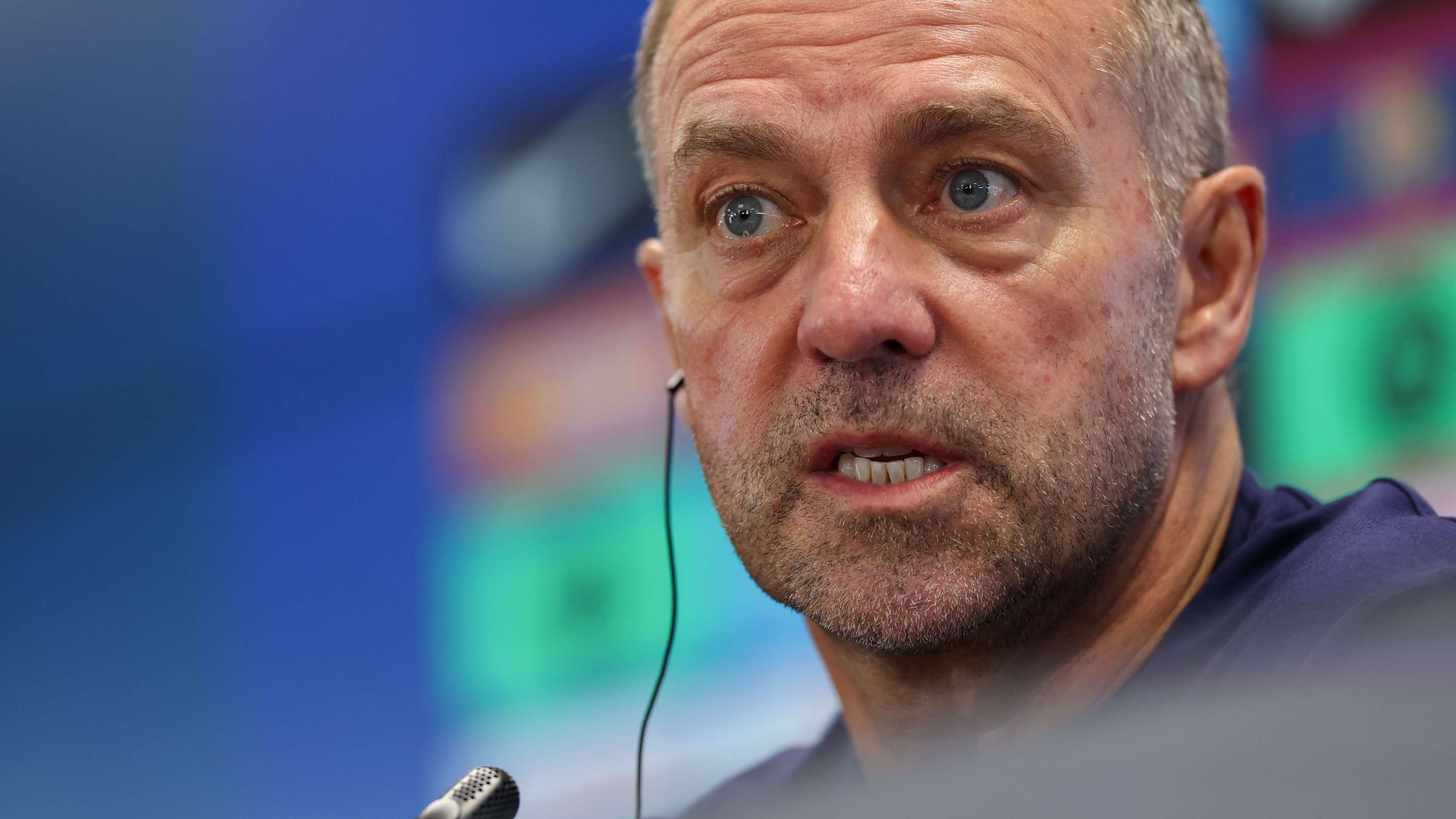
Koundé had been working hard to return for the meeting with Real Madrid, but he was unable to take part in Saturday’s training session, according to Spanish newspaper Sport. Flick also addressed the defender’s situation during his pre-match press conference, confirming that the Frenchman would not be ready to play.
His absence compounds Barcelona’s problems at the back. Eric García and Andreas Christensen are also sidelined, limiting the coach’s ability to rotate or make like-for-like replacements. With several established defenders unavailable, Flick is expected to stick with the options he used against PSG rather than introduce a completely new defensive structure for such a demanding fixture.
Pau Cubarsí and Gerard Martín are expected to form the central defensive partnership. Xavi Espart could start on the right, with João Cancelo operating on the left. Alejandro Balde is also in contention, although his limited playing time in Paris may mean he begins the Clásico on the bench. Alex Campos is another defensive option among the substitutes.
Organisation Could Matter as Much as Individual Talent
Barcelona’s defensive challenge will not be limited to replacing Koundé. The back line will need to communicate clearly, particularly if Real Madrid press aggressively or attack the spaces behind the full-backs. A makeshift defence can be exposed when players are unfamiliar with one another, so compact positioning and support from midfield may be especially important.
Cancelo’s ability to move forward could give Barcelona an attacking outlet on the left, but that freedom may also leave space for Madrid to target in transition. Flick will therefore have to weigh the benefits of an adventurous full-back against the need to protect a defence already short of regular starters.
Fermín López Set for Midfield Opportunity
Olmo’s injury creates another significant selection problem. The midfielder is dealing with a left hamstring issue that is expected to keep him out for around a month, ruling him out of the Clásico and a run of upcoming matches. Fermín López is tipped to take his place alongside Pedri and Rodri in the expected midfield arrangement.
Fermín offers energy, forward movement and a willingness to press, qualities that could suit a high-tempo contest. His challenge will be to combine that aggression with discipline, especially when Barcelona lose possession. Against Real Madrid, midfield control can shape the entire match: winning second balls and preventing quick counterattacks may be just as important as creating chances.
Oriol Guerin is also part of the wider squad picture. The academy prospect has emerged as one of the club’s promising young players and could provide another option from the bench. His inclusion would underline Flick’s willingness to draw on Barcelona’s youth system while senior players are unavailable.
De Jong Nears a Return as Barça Assess Their Options
Frenkie de Jong is approaching a comeback after recovering from the knee injury he sustained at the World Cup. A third consecutive call-up could put him in line for his first appearance of the season, although a place in the starting XI would be a separate question. Even if he is not ready to play a full match, his potential availability would give Flick additional experience and composure in midfield.
Barcelona will need to manage any return carefully. A Clásico is an emotionally charged setting in which the pace can rise quickly, and a player coming back from a lengthy injury may be more useful as a controlled substitute than as an immediate starter. His presence could nevertheless offer Flick another way to change the rhythm if the match becomes stretched.
Attacking Trio Expected to Lead Barcelona’s Clásico Effort
Despite the injury concerns, Flick is expected to retain a familiar attacking trio. Raphinha is set to lead the line, with Lamine Yamal on the right and Anthony Gordon on the left. Their different strengths could give Barcelona several routes forward: Yamal’s creativity and close control, Gordon’s direct running and Raphinha’s movement and pressing.
Adeyemi is another possible option if Flick wants to alter the attack during the game, particularly if Barcelona need more pace or a different profile on the wing. Hamza Abdelkarim could also join the first-team group after featuring for the reserves against Utebo last week, giving the coach another young attacking possibility.
Whether these alternatives are used may depend on the scoreline and the match’s tempo. If Barcelona are chasing the game, Flick could turn to pace and attacking depth from the bench. If they are protecting a lead, he may prioritise players who can help retain possession and close down space.
Clásico Prediction: Squad Depth Could Be Decisive
Any football prediction for Barcelona versus Real Madrid must account for the uncertainty created by the injury list. Barça still have technical quality and attacking threats, but the missing defenders reduce their margin for error. Their prospects may depend on how effectively the midfield shields the back four and whether the forwards can make their possession count.
Real Madrid will look to exploit any gaps, while Barcelona will aim to use the energy of their younger players and the creativity of their established attackers. The expected line-up suggests Flick is leaning on continuity at the back and making targeted changes elsewhere, rather than attempting a wholesale tactical overhaul.
For Barcelona, the immediate priority is to stay organised, avoid costly turnovers and make the most of their attacking opportunities. Koundé’s absence is a substantial setback, but the Clásico will also test the depth of Flick’s squad and the readiness of its emerging players. With several selection decisions still shaped by fitness, the final team news could influence the prediction—and potentially the balance of one of football’s most closely watched fixtures.