
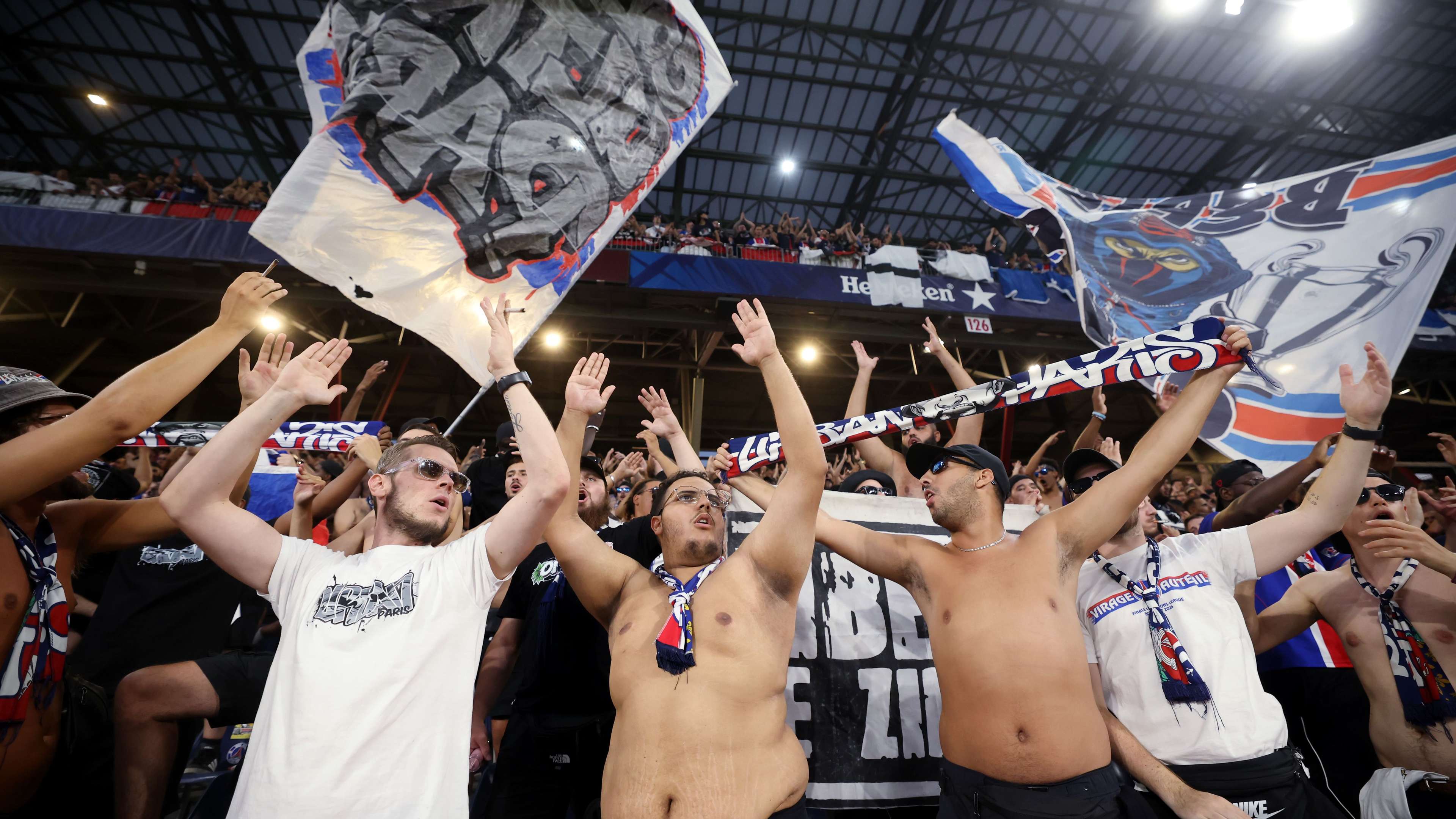

Paris Saint-Germain Fans Fight Back Against Travel Ban Ahead of Le Classique Clash
As one of the most anticipated fixtures in French football, the upcoming match between Paris Saint-Germain (PSG) and Olympique de Marseille—commonly known as Le Classique—is set to captivate fans worldwide. However, this highly charged encounter has been overshadowed by a controversial travel restriction imposed on PSG supporters, igniting a fierce debate about fan rights, security concerns, and the future of football rivalries in France.
Background: The Significance of Le Classique in French Football
Since its inception, Le Classique has symbolized more than just a football match; it embodies a fierce rivalry rooted in history, regional pride, and sporting excellence. PSG, based in the capital city of Paris, and Marseille, representing the southern port city, have long displayed a passionate and sometimes contentious rivalry that electrifies French football. Matches between these two giants are often characterized by intense on-field battles, boisterous crowds, and a display of unwavering loyalty from supporters.
The upcoming fixture, scheduled for Sunday, is expected to be a fixture of high stakes, with league standings and bragging rights on the line. Fans and analysts alike have been eagerly awaiting this encounter, which promises to deliver thrilling football, tactical battles, and dramatic moments. However, the atmosphere has been marred by recent security concerns, prompting authorities to implement restrictive measures.
Travel Ban: A Controversial Security Measure
In response to historic violence and disturbances associated with previous matches, local authorities in Paris have enacted a travel ban targeting PSG supporters wishing to attend the game. The restriction is part of broader security measures aimed at preventing disturbances, ensuring public safety, and avoiding repeat incidents of violence that have marred past encounters between rival factions.
While these steps are understandable from a safety perspective, they have sparked significant controversy among fans, players, and football organizations. Many supporters argue that such bans unfairly punish loyal fans who wish to attend their team’s crucial matches, effectively silencing their voice and diminishing the vibrant atmosphere that makes football so unique.
Legal Action: PSG Fans Stand Up for Their Rights
In a notable development, PSG’s most dedicated and passionate supporters—often referred to as the club’s “hardcore” fan base—have decided to challenge the travel ban through legal channels. These supporters have filed lawsuits demanding the lifting of the restrictions, emphasizing that their right to attend matches and support their team must be protected, especially when no concrete evidence links them to violence or disorder.
The supporters’ legal team argues that the travel ban constitutes a disproportionate response that infringes on fundamental freedoms, including the right to assemble and participate in sporting events. They contend that blanket bans based solely on past incidents undermine principles of fairness and due process and call for more targeted security measures that focus on individual accountability rather than collective punishment.
Community and Fan Perspectives: The Call for Dialogue
Beyond the legal arguments, there is a growing demand within the football community for dialogue between authorities, clubs, and supporters. Fans emphasize that football is a shared cultural experience that unites communities, and that banning supporters undermines the spirit of the sport.
Some supporters have expressed willingness to cooperate with security agencies, advocating for enhanced measures such as increased surveillance, stricter entry checks, and community engagement programs that foster positive fan behavior. They argue that a more collaborative approach can achieve the twin goals of maintaining public safety while preserving the passionate atmosphere that makes Le Classique so special.
Implications for the Future of Football Safety and Fan Engagement
The controversy surrounding the travel ban raises broader questions about how football authorities balance security concerns with fans’ rights and the essence of the sport. With football increasingly becoming a global spectacle, ensuring that fans can attend matches safely without feeling marginalized or unfairly targeted is vital for the game’s integrity and growth.
Furthermore, this situation underscores the importance of robust communication channels between authorities and supporters. Building trust and understanding can help prevent conflicts, promote responsible fan behavior, and foster a welcoming environment for all spectators—whether they are traveling from abroad or local supporters attending their beloved club’s matches.
Predicting the Outcome and Impact on the Match
From a football prediction perspective, the absence of a significant portion of PSG’s passionate supporters could influence the match’s atmosphere and possibly the outcome. Historically, the energy and vocal support of home fans provide a psychological advantage, boosting players’ morale and intimidating opposition.
Without the full backing of the PSG faithful, the team may face additional challenges in creating an intimidating home environment, which could impact their performance. Conversely, Marseille fans, who are also known for their fervent support, may step up to fill the void, making the Stade Vélodrome an even more formidable fortress.
Analysts will be closely watching how these security measures influence the game dynamics, tactical strategies, and overall spectacle of Le Classique. The match is expected to be fiercely contested, with both teams highly motivated to secure victory, but the atmosphere may not be as vibrant as in previous editions, potentially affecting the players’ motivation and fan engagement.
Conclusion: A Turning Point for Football Fan Rights and Security
The legal challenge initiated by PSG’s loyal supporters marks a significant moment in football history—highlighting the ongoing debate between ensuring public safety and respecting fan rights. As the world’s football community watches, this incident could serve as a catalyst for more nuanced security policies that prioritize dialogue, community engagement, and targeted measures over blanket bans.
Ultimately, the future of football’s passionate fan culture depends on fostering an environment where safety and support coexist harmoniously. As fans rally in court and in the stands, the hope is that authorities and clubs will find sustainable solutions that uphold the spirit of the game, ensuring that iconic fixtures like Le Classique continue to inspire generations to come.
Stay tuned for updates on the legal proceedings, fan reactions, and the outcome of what promises to be a memorable and pivotal football prediction for one of France’s most celebrated rivalries.