
Gasperini Praises Dybala After Roma’s Hard-Fought Draw With Como
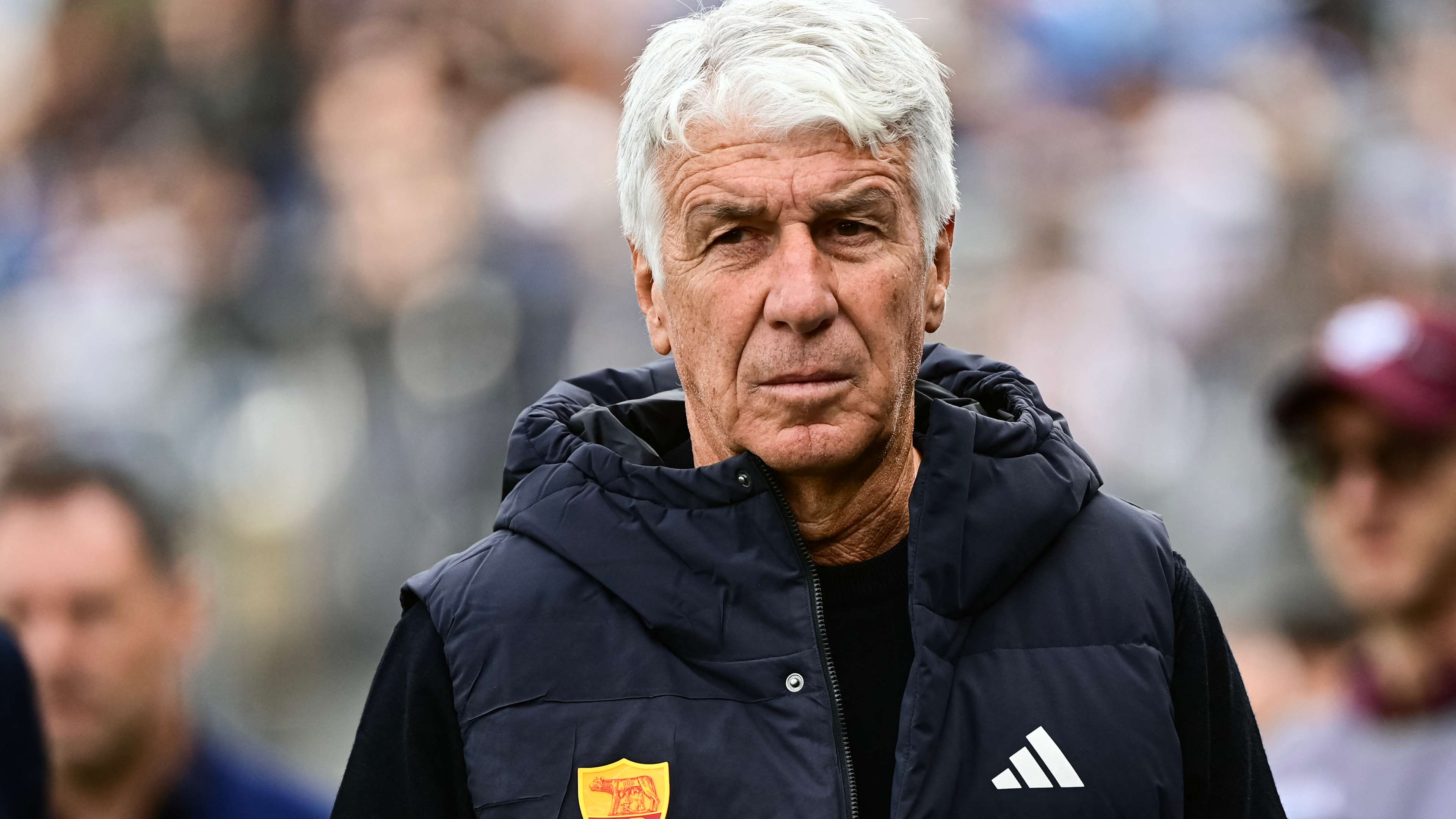
Roma manager Gian Piero Gasperini highlighted Paulo Dybala’s influence, tactical intelligence and work rate after his side earned a draw against Como in a demanding football encounter. Speaking to DAZN after the match, Gasperini reflected on Roma’s attacking opportunities, the challenge of playing with ten men and the composure his players showed under pressure.
The result left Roma with mixed feelings. The visitors had opportunities to take the lead, particularly before the break, but spent around 30 minutes a player short. Against a strong Como side, that dismissal altered the contest and forced Roma to focus on defending rather than pursuing the attacking approach Gasperini had hoped to maintain.
Dybala’s performance earns strong praise
Gasperini was emphatic in his assessment of Dybala, describing the forward’s display as outstanding. The Roma manager said the Argentine remained effective even when he had to drop deeper and help the team manage difficult situations in the second half.
Playing with ten men placed greater demands on Roma’s attackers. They had less support in possession and needed to help the team retain the ball whenever possible. Gasperini felt Dybala handled those responsibilities well, praising his sharpness when carrying the ball forward and his ability to contribute without giving possession away cheaply.
“I don’t remember him giving the ball away,” Gasperini said, noting that Dybala looked increasingly lively when making forward bursts. The manager also regretted that the attacker did not convert a first-half opportunity that might have changed the course of the game. Even so, he viewed the chance as only one part of a performance that showed quality and commitment.
Dybala’s contribution was especially important as Roma’s shape changed after the team went down to ten players. In that situation, a forward’s role often extends beyond finishing: holding up the ball, drawing defenders out of position and giving teammates time to move forward can all help relieve pressure. Gasperini’s comments suggested that Dybala understood those demands and continued to make himself useful despite the difficult circumstances.
Why Dybala led the attack after Malen’s substitution
Gasperini was also asked about Roma’s decision to use Dybala as the central striker after Malen left the pitch. He explained that the change was a natural response to the players available at that moment, rather than a pre-planned tactical experiment.
The coach nevertheless liked what Dybala offered in the role. By coming toward the ball and connecting with teammates, the forward gave Roma a way to escape pressure and create breathing room. That movement helped the team turn defensive possession into potential counter-attacks, even if some promising situations needed a more precise final pass or decision to become genuinely dangerous.
Operating as a lone striker was not an easy assignment. Dybala had to contend with Como’s two centre-backs, who could use their numerical advantage to limit his space and contest passes into his feet. Gasperini said the forward managed the challenge with intelligence and quality, praising his understanding of the game as well as his technical ability.
For Roma, that kind of performance can offer valuable tactical flexibility. A striker who can drop between the lines, protect the ball and bring midfielders into play gives a side more options when its usual attacking structure is disrupted. It was particularly useful after the dismissal, when Roma needed to keep possession for longer stretches to reduce the pressure on its defence.
Roma created chances before the match changed
Although Como also produced dangerous moments, Gasperini believed Roma had good opportunities to score in the first half. He felt his side looked capable of taking the lead and was disappointed that those openings did not result in a goal.
That missed opportunity became more significant after Roma was reduced to ten players. With a numerical disadvantage, the visitors had to devote more attention to protecting their own goal and had fewer players available to support attacks. The game’s balance shifted, making it harder for Roma to build the kind of pressure it had generated earlier.
Gasperini did not claim that Roma would certainly have won had both teams remained at full strength. Instead, he said the dismissal left the side with a sense of unfinished business because the team had looked capable of creating further chances. How the match might have developed is impossible to know, but the manager’s assessment was that Roma had been competitive before circumstances forced a more cautious approach.
Composure and organisation help Roma secure the point
Once Roma went a player down, the priority changed. Rather than taking unnecessary risks, the team concentrated on defending with discipline and staying organised against Como’s attacks. Gasperini praised the composure his players showed as they protected their shape and worked to limit the home side’s opportunities.
Playing for roughly a third of the match with ten men is a demanding test of concentration, fitness and communication. The remaining players must cover more ground, while the team has to choose carefully when to press and when to retreat. Roma’s ability to remain structured helped it avoid allowing the disadvantage to turn into a decisive defeat.
Gasperini described the draw as an acceptable outcome in the circumstances, while acknowledging the frustration of seeing Roma’s attacking prospects reduced. His comments reflected both sides of the result: the team had shown enough in the first half to believe it could score, but its resilience after the dismissal helped preserve a point.
What the result means for Roma’s next challenge
The performance offered Roma several talking points beyond the final score. Dybala’s display suggested he can contribute in more than one attacking role, while the team’s defensive response showed the value of organisation when a match turns against it. At the same time, the missed first-half chances underline why taking opportunities can be crucial in closely contested football fixtures.
Any prediction about Roma’s next performance will depend on how quickly the team can return to its preferred attacking rhythm and make better use of its openings. Gasperini’s post-match comments, however, pointed to a side that remained composed under pressure and found ways to compete despite a major setback. Against a strong Como team, that resilience helped turn a difficult afternoon into a valuable draw.