
Inter and AC Milan’s New San Siro: What Could Tickets Cost?
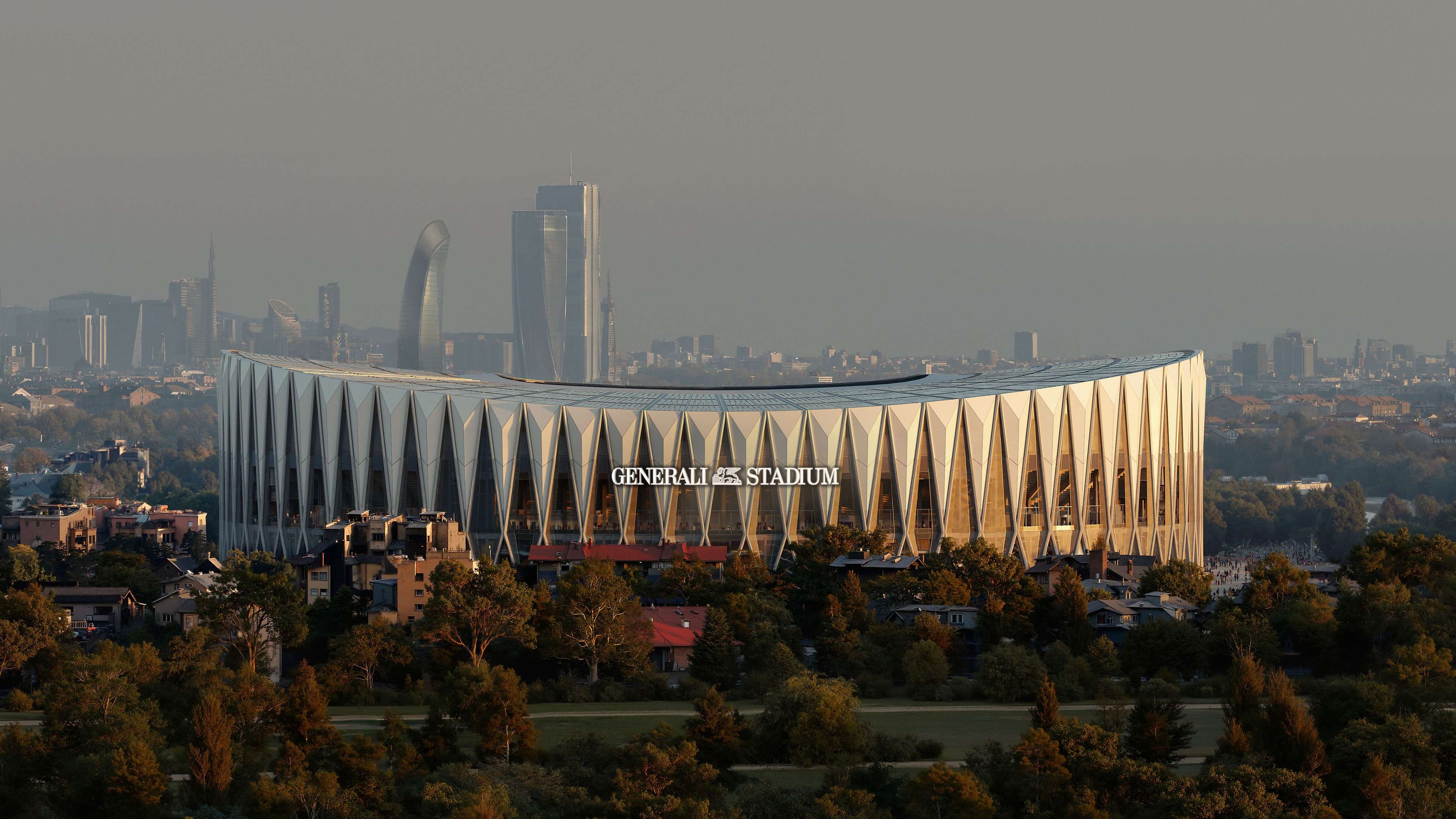
Inter and AC Milan have revealed plans for the stadium that will replace the Giuseppe Meazza at San Siro, setting the stage for a new chapter in Milanese football. The proposed Generali Stadium features a bold, modern design and is expected to open for the 2031–32 season. While the clubs have shared details about the venue, one question is already on supporters’ minds: how much will it cost to watch a match there?
There is no confirmed ticket or season-ticket pricing yet. Any figures discussed at this stage are estimates, and costs will depend on factors such as seating location, competition, opponent and demand. However, the clubs have pointed to Tottenham Hotspur Stadium and Atlético Madrid’s Riyadh Air Metropolitano as sources of inspiration. Their experiences offer useful clues about the opportunities—and potential affordability concerns—surrounding a new football ground.
A new stadium brings new revenue—and new costs
The Generali Stadium is intended to be more than a replacement for the current San Siro. Contemporary venues are designed to generate income throughout the year through hospitality, premium seating, events, food and drink, retail and commercial partnerships. Naming rights can also provide a substantial revenue stream, helping clubs fund construction and operations.
For Inter and AC Milan, a modern stadium could improve the matchday experience and help both teams compete financially with major European rivals. Better sightlines, upgraded facilities and more comfortable concourses are now standard ambitions for large-scale projects. But the business model also tends to include a wider range of ticket categories, from affordable seats to high-priced hospitality packages.
That variety can create more choice, but it does not automatically mean lower prices. Supporters may find that the most accessible seats are limited, while premium areas and high-demand fixtures command a significant premium. The eventual balance between affordability and commercial income will be one of the most closely watched parts of the clubs’ plans.
What Tottenham’s stadium could tell Milan fans
Tottenham Hotspur Stadium, which opened in London in 2019, is one of the most prominent modern football venues in Europe. It combines a large capacity with premium lounges, extensive food and drink options, event facilities and a design intended to keep spectators close to the pitch. Inter and Milan have cited the stadium as an influence, making it a relevant comparison for the planned venue.
Tottenham’s approach shows how a new ground can offer a broad ticketing structure rather than a single price point. Standard seats, premium experiences and hospitality packages cater to different budgets and expectations. The same model could be applied in Milan, where the clubs may seek to serve local supporters, visiting fans, corporate clients and international visitors within one venue.
However, comparisons should be treated carefully. Ticket prices in London reflect local incomes, operating costs and the Premier League’s commercial environment. Milan has its own football culture, economic conditions and long-standing supporter traditions. The English example can indicate the type of pricing strategy the clubs might consider, but it cannot predict exact prices for the Generali Stadium.
Atlético Madrid offers another model
Atlético Madrid’s move from the Vicente Calderón to the Metropolitano provides a second point of reference. The stadium, now known as the Riyadh Air Metropolitano, was built to support a larger and more modern matchday operation. Like Tottenham’s ground, it includes a range of seating and hospitality options designed to bring in revenue beyond standard admission.
Atlético’s experience illustrates a challenge familiar to clubs that move into new venues: supporters may welcome better facilities while worrying about higher prices or changes to the atmosphere. A stadium can improve comfort and accessibility, but maintaining an intense, supporter-led environment requires careful planning. Ticket allocation, the location of vocal fan sections and season-ticket policies can all influence how a new ground feels on matchday.
For Inter and Milan, that issue is especially significant. San Siro is not simply a football venue; it is a landmark tied to decades of shared history, major European nights and the identity of both clubs. Replacing it means creating a new home capable of matching its emotional importance, not just its commercial potential.
Season tickets may be the biggest test
Season-ticket prices are likely to attract as much attention as individual match tickets. Regular supporters often judge a new stadium’s policy by whether long-time fans can retain their seats and continue attending throughout the season. If prices rise sharply, some may be forced to reconsider how often they go to matches, even if the new facilities are more advanced.
The clubs will also need to decide how to manage existing season-ticket holders during the transition. Possible considerations include priority access, loyalty-based allocation, a range of price bands and protections for supporters who have held tickets for many years. These decisions can shape public confidence well before the stadium opens.
European football provides no single template. Some clubs use tiered pricing to make cheaper seats available, while others rely heavily on premium products and match-by-match demand. A fixture against a major rival or a decisive Champions League game may cost more than a domestic league match against a lower-ranked opponent. That dynamic could be particularly relevant for Inter and Milan, whose most anticipated matches are likely to sell quickly.
What supporters should watch for next
For now, there is no reliable way to calculate the final cost of attending a game at the Generali Stadium. The opening date remains several years away, and the clubs have yet to publish a detailed ticketing plan. Construction costs, inflation, team performance, competition qualification and the stadium’s commercial agreements could all affect the eventual pricing structure.
Supporters should look for more than headline ticket prices as the project develops. Important details will include the number of lower-cost seats, season-ticket renewal rules, concessions for younger fans, accessibility provisions and whether prices vary significantly by opponent. Transparent communication will be essential if the clubs want to reassure loyal fans that a modern stadium will remain welcoming to the communities that fill it.
Early prediction: more choice, but likely higher premium prices
Based on the Tottenham and Atlético Madrid examples, a reasonable prediction is that the new San Siro will introduce a wider range of ticket products, with premium seats and hospitality packages playing a larger role. That does not necessarily mean every ticket will be expensive, but it does suggest that supporters may encounter more price tiers and greater variation between fixtures.
The central challenge for Inter and AC Milan will be finding a sustainable balance: generating the revenue needed to operate a world-class venue while preserving access for regular fans. The Generali Stadium could transform the matchday experience and strengthen both clubs’ finances. Whether supporters embrace that change may ultimately depend on one practical question—whether the new home remains affordable enough for them to feel it still belongs to them.