
Kidambi Srikanth Beats Koki Watanabe at Hong Kong Open 2026
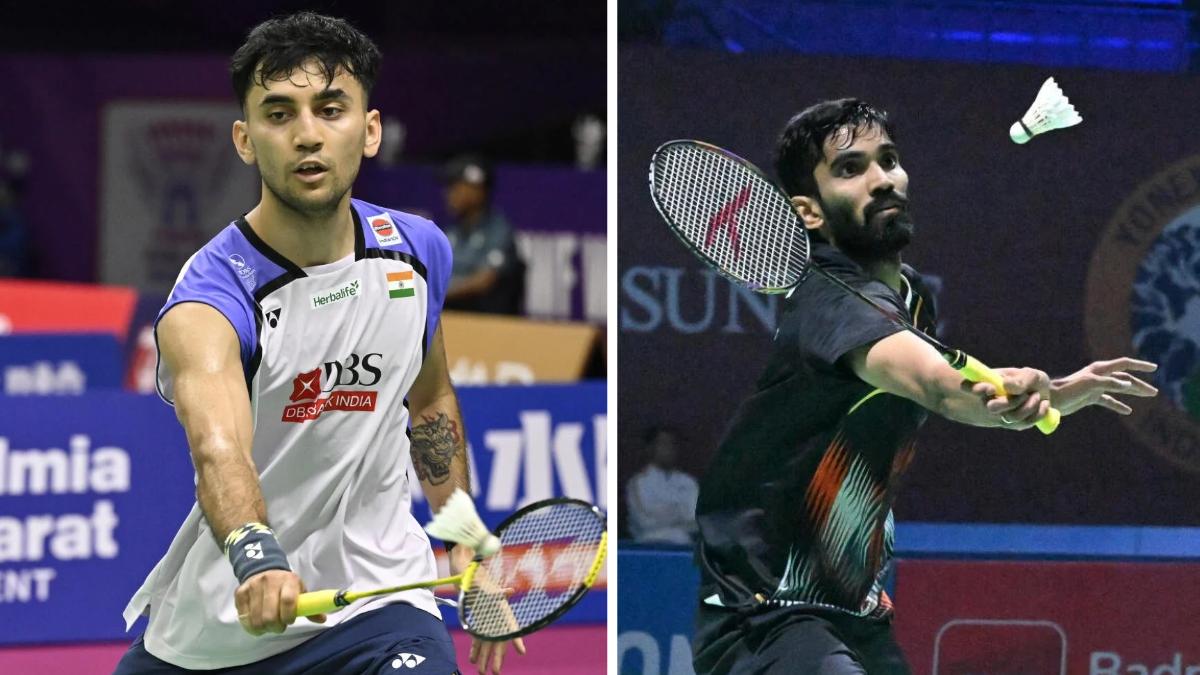
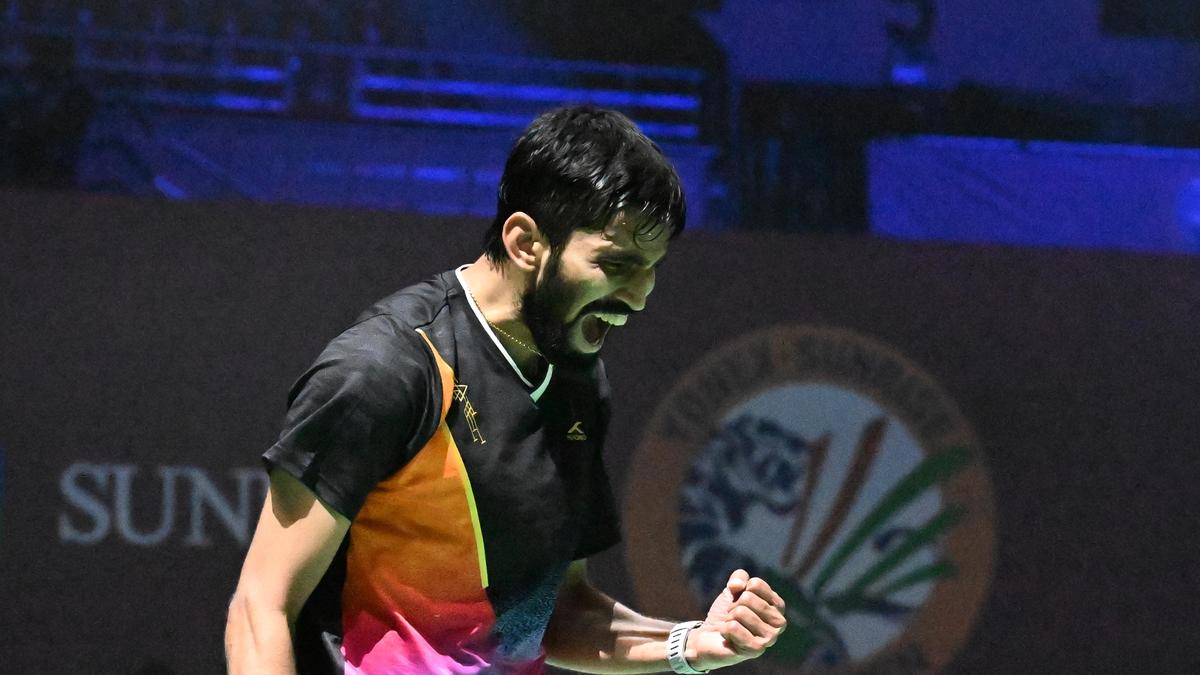
Kidambi Srikanth produced a composed, attacking performance to defeat Japan’s Koki Watanabe in the men’s singles Round of 32 at the Hong Kong Open 2026. The Indian badminton star recovered from a second-game setback to claim a 21-16, 16-21, 21-9 victory at Kai Tak Arena on Wednesday, advancing to the Round of 16.
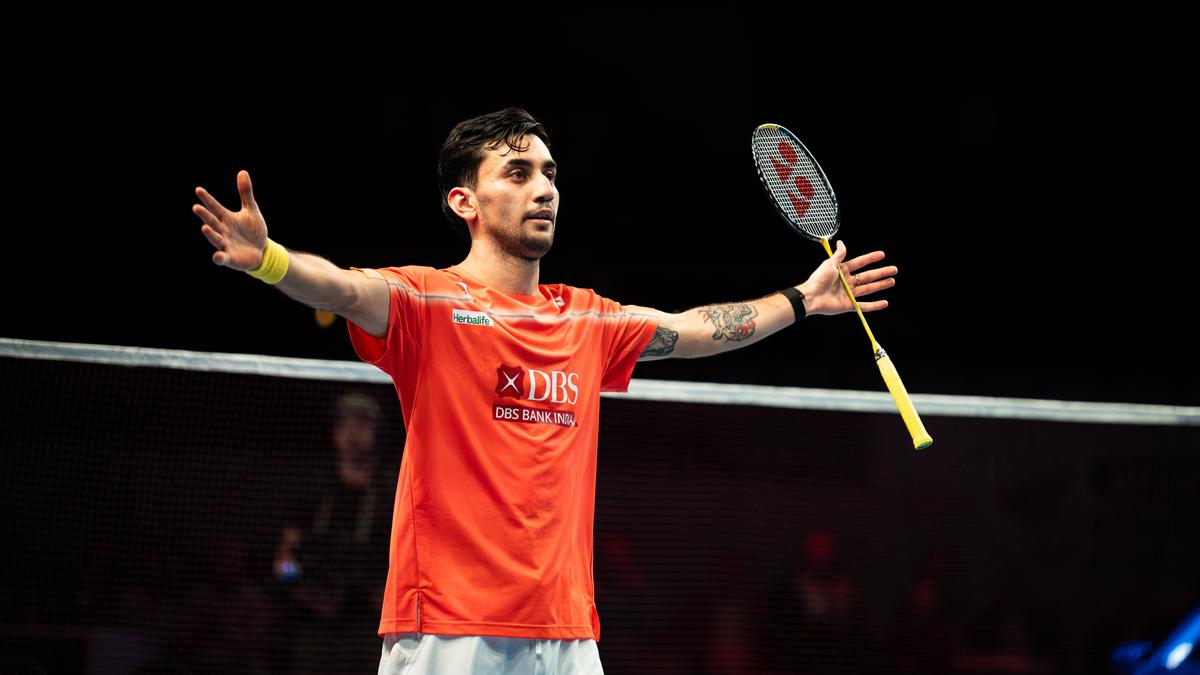
The result carried significance beyond Srikanth’s own campaign. His win also helped compatriot Lakshya Sen qualify for the season-ending BWF Tour Finals, adding another important storyline to India’s day at the tournament. Srikanth will next meet South Korea’s Yoo Tae Bin as he looks to build momentum in Hong Kong.
A response to last week’s defeat
The match offered Srikanth an immediate opportunity to answer a recent loss. Watanabe had beaten the Indian in straight games in the quarterfinals of last week’s Japan Masters Super 500, despite Srikanth making a strong push in the second game. This time, the former world champion made a more assertive start and showed greater control of the rallies when the contest reached its decisive stages.
Srikanth opened with purpose, moving into a 3-2 lead and looking to take the initiative before Watanabe could establish his defensive rhythm. He varied the pace with sharp cross-court drops, then followed them with tight net exchanges that forced the Japanese player to cover the full width of the court.
Attacking pressure earns the opening game
At 6-4, Srikanth continued to apply pressure through flat drives and quick changes of direction. Rather than allowing Watanabe time to reset, he kept the shuttle moving at speed and made the Japanese player defend from awkward positions. The approach brought early errors and helped Srikanth maintain a narrow advantage.
Srikanth’s positioning was also a key feature of the opening game. He stayed close to the centre line, ready to intercept returns and cut off Watanabe’s cross-court options. Leading 12-9, the Indian used sharp, flat pushes to disrupt the Japanese player’s clear attempts and prevent him from pushing the rallies into a more comfortable, patient pattern.
As the game progressed, Srikanth made effective use of the forecourt to create openings. He drew Watanabe forward, then capitalised on loose mid-court returns with piercing smashes. The combination of net pressure and decisive finishing helped him close out the first game 21-16.
Watanabe fights back in the second
Srikanth carried his aggressive approach into the second game and initially remained in front. His quick movement and presence in the mid-court made it difficult for Watanabe to settle into a consistent defensive shape, and the Indian led 12-10 as he looked to move within one game of victory.
Watanabe, however, adjusted well. He began using deeper lifts to push Srikanth away from the net and extended rallies with patient defence. The change reduced the number of easy attacking opportunities for the Indian and encouraged him to take greater risks. As the exchanges lengthened, Srikanth made unforced errors that allowed Watanabe to turn the game around.
The Japanese player took the second game 21-16, levelling the match and setting up a decider. For Srikanth, the challenge was to regain control without allowing frustration to affect his shot selection. His response in the third game proved decisive.
Nine straight points seal the decider
Srikanth came out strongly in the final game, using sharp forecourt interceptions to take time away from Watanabe. He pressed forward whenever the opportunity appeared and maintained an aggressive presence around the mid-court, forcing his opponent to defend under constant pressure.
The Indian soon established control and then produced the match’s most commanding passage, reeling off nine consecutive points. That run opened a substantial gap on the scoreboard and left Watanabe with little room to recover. Srikanth stayed focused, continued to attack the available openings and completed the decider 21-9.
The emphatic finish highlighted the value of Srikanth’s tactical response. After losing the second game, he returned to the patterns that had worked best in the opener: taking the shuttle early, controlling the front of the court and converting mid-court chances into attack. The result was a clear win in the deciding game and a place in the next round.
What the result means for Indian badminton
Srikanth’s victory gives him a chance to extend his run at the Hong Kong Open and regain confidence after his recent defeat to Watanabe. His ability to shift the momentum in the third game will be particularly encouraging as the tournament moves into the knockout rounds, where matches can turn quickly and composure is often as important as attacking skill.
The outcome also had a positive impact on Indian badminton beyond the men’s singles draw. By defeating Watanabe, Srikanth helped Lakshya Sen secure qualification for the BWF Tour Finals, the season-ending event that brings together leading players from across the international circuit. Sen’s qualification adds to India’s presence at the elite competition and gives fans another reason to follow the closing stretch of the badminton season.
Srikanth now turns his attention to South Korea’s Yoo Tae Bin in the Round of 16. The next match will test whether he can carry the same intensity and court control into a fresh encounter. Against Watanabe, Srikanth showed that he can adapt after a difficult middle game and finish strongly—a promising sign as his Hong Kong Open campaign continues.