
Egyptian Football Coach Hossam Hassan Explains Strategic Decision to Leave Mohamed El Shenawy Out of National Team Camp
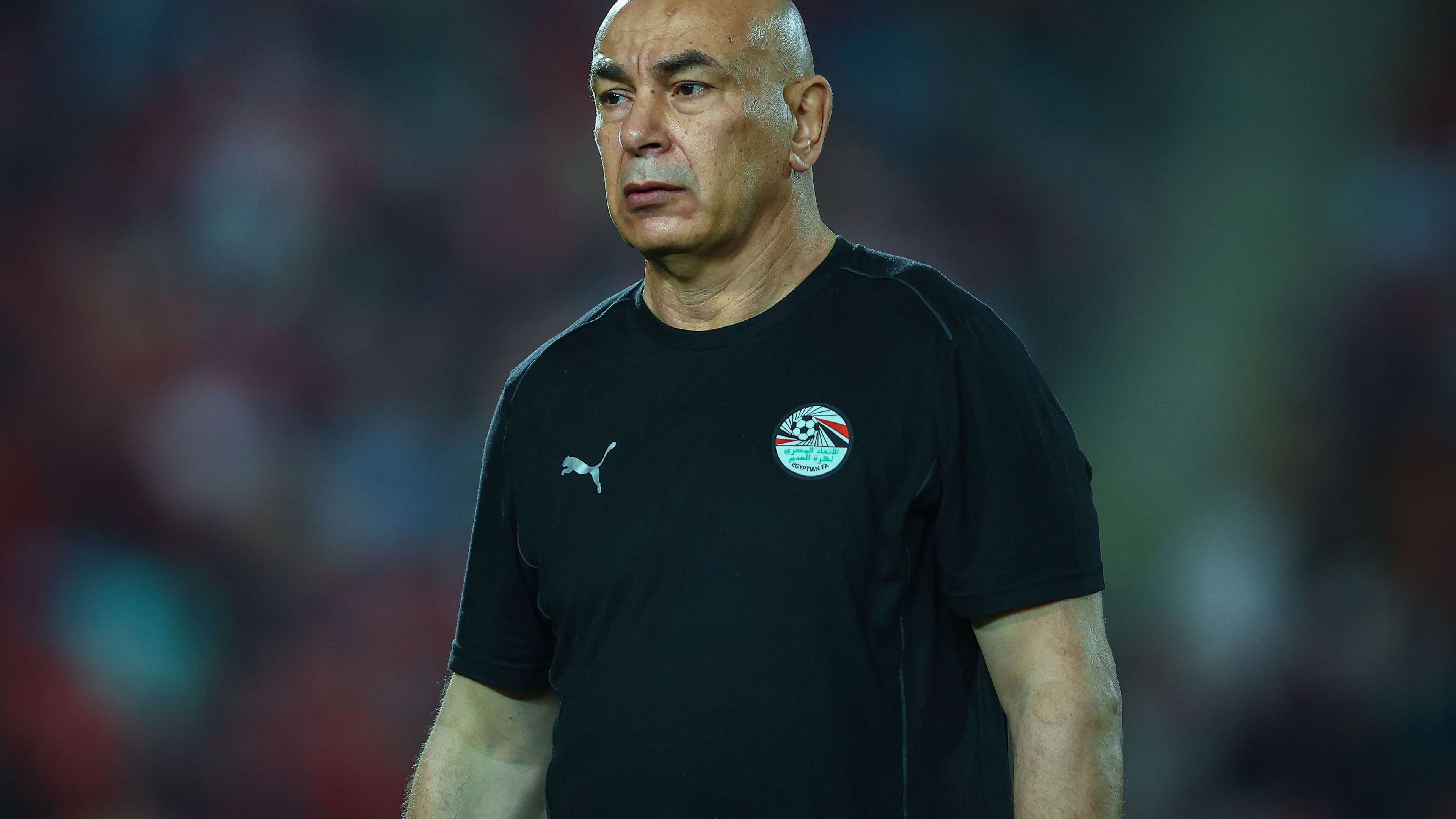
In a recent development within Egyptian football, Hossam Hassan, the current manager of the Egyptian national team, has shed light on his tactical choices concerning the exclusion of Mohamed El Shenawy from the squad preparing for upcoming Africa Cup of Nations (AFCON) qualifiers. This decision, rooted in technical considerations, has sparked widespread discussion among fans, analysts, and football enthusiasts eager to understand the reasoning behind such a crucial selection process.
Context of the Decision: A Deep Dive into Egypt’s Qualifying Campaign
Egypt is currently engaged in the intense journey of qualifying for the 2027 Africa Cup of Nations, a tournament that holds immense prestige and historical significance for the Pharaohs. The group stage features formidable opponents including Angola, Malawi, and South Sudan. As the team prepares for their upcoming fixtures, every tactical decision becomes vital, especially when it comes to goalkeeper selection—a role that often defines a team’s defensive stability and confidence.
The upcoming matches include a critical clash against Angola at Cairo Stadium and a subsequent encounter with South Sudan in Juba. These fixtures serve as pivotal points in Egypt’s bid to secure qualification, and thus, team selection and player management are under meticulous scrutiny.
Hossam Hassan Clarifies the Rationale Behind the Absence of Mohamed El Shenawy
During the pre-match press conference ahead of Egypt’s encounter with Angola, Hossam Hassan addressed the media questions regarding the exclusion of Mohamed El Shenawy, the seasoned goalkeeper and a key figure for both Al Ahly and the Egyptian national team. Hassan emphasized that his decision was purely based on technical grounds, reinforcing the importance of strategic planning in team management.
“There was a period when Mohamed El Shenawy was not performing at his best,” Hassan explained. “He was not getting regular playing time at his club, which inevitably affected his form. However, he managed to regain his level through the national team environment. This was not an isolated case; other players faced similar situations.”
Hassan pointed out that his choices are driven by tactical considerations rather than injuries or personal issues. “I could have justified his absence due to injury, but in reality, this was a strategic decision,” he stated confidently. “My focus is on selecting players who align with the team’s current needs and playing style.”
Respect for Leadership and Future Prospects
Despite the exclusion, Hassan was quick to acknowledge El Shenawy’s stature within the team and his leadership qualities. “Mohamed El Shenawy is undoubtedly one of the pillars of the Egyptian national team,” he said. “He has contributed significantly to our success over the years, and I hold him in high regard. This decision does not diminish his value or the respect I have for him.”
Such transparency underscores the professional approach Hassan adopts, prioritizing the team’s overall stability and performance over individual preferences. This move may also serve as a strategic message to other players about the importance of form and consistency in earning national team selection.
Implications for Egypt’s Campaign and the Broader Football Landscape
As Egypt aims to secure its spot in the 2027 AFCON, the goalkeeper’s role remains crucial. Mohamed El Shenawy’s experience and leadership qualities have often been pivotal in high-stakes matches. However, Hassan’s decision indicates a commitment to field the most in-form and tactically suitable players, even if it means making difficult choices.
This scenario highlights a broader trend in football prediction and team management where coaches balance experience with current form, especially in critical qualifiers. It also raises questions about the future of goalkeepers in Egyptian football, particularly as younger talents emerge and seek their opportunities on the international stage.
What’s Next for Egypt’s Qualification Journey?
Looking ahead, Egypt faces a key test against South Sudan in Juba on Tuesday, September 29. The match is expected to be fiercely contested, with both teams eager to maximize their chances of qualification. Following this, Egypt will engage in a friendly match against South Africa at Cairo Stadium, providing an additional platform to evaluate players and tactics ahead of the decisive qualifiers.
The national team’s preparation strategy is also intertwined with player development, tactical flexibility, and managing player fitness levels. Such factors are integral to football prediction models that assess team prospects and tournament outcomes.
Fan Engagement and Public Opinion
The decision to omit Mohamed El Shenawy from the camp has sparked diverse reactions among fans and football pundits. Many appreciate Hassan’s transparent approach and focus on technical merit, while others express concern over the potential impact on team cohesion given El Shenawy’s leadership role.
Social media platforms are abuzz with debates about the best goalkeeping options for Egypt and the importance of maintaining a competitive squad atmosphere. Polls and predictions conducted among football enthusiasts reflect a mix of optimism and skepticism, illustrating the dynamic nature of football prediction and fan sentiment.
Broader Insights: The Art of Football Prediction and Strategic Team Building
Hassan’s decision exemplifies a fundamental principle in football prediction: success often hinges on tactical adaptability and informed decision-making. Coaches must weigh various factors—player form, tactical fit, leadership qualities, and future potential—when constructing a squad capable of winning crucial matches.
Moreover, the situation underscores the importance of continuous player evaluation, especially in tournaments like AFCON where form can fluctuate rapidly. Football prediction models increasingly incorporate such nuanced data, combining statistical analysis with expert judgment to forecast outcomes more accurately.
Conclusion: A Strategic Move with Eyes on Future Success
As Egypt prepares for its upcoming AFCON qualifiers, Hossam Hassan’s strategic exclusion of Mohamed El Shenawy reflects a deliberate attempt to optimize team performance through technical precision. While the decision may be viewed as controversial by some, it underscores the complex nature of football team management, where every choice is made with the broader goal of securing victory.
Football fans and analysts alike will be watching closely as Egypt navigates these critical matches, with hopes that their tactical decisions will translate into success on the pitch. Whether the prediction turns out favorable or not, one thing is clear: strategic planning remains at the heart of football’s unpredictable and exciting world.
Stay tuned for further updates on Egypt’s qualification campaign and expert predictions on their chances of securing a spot in the next Africa Cup of Nations.