
Inter and AC Milan unveil plans for Generali Stadium
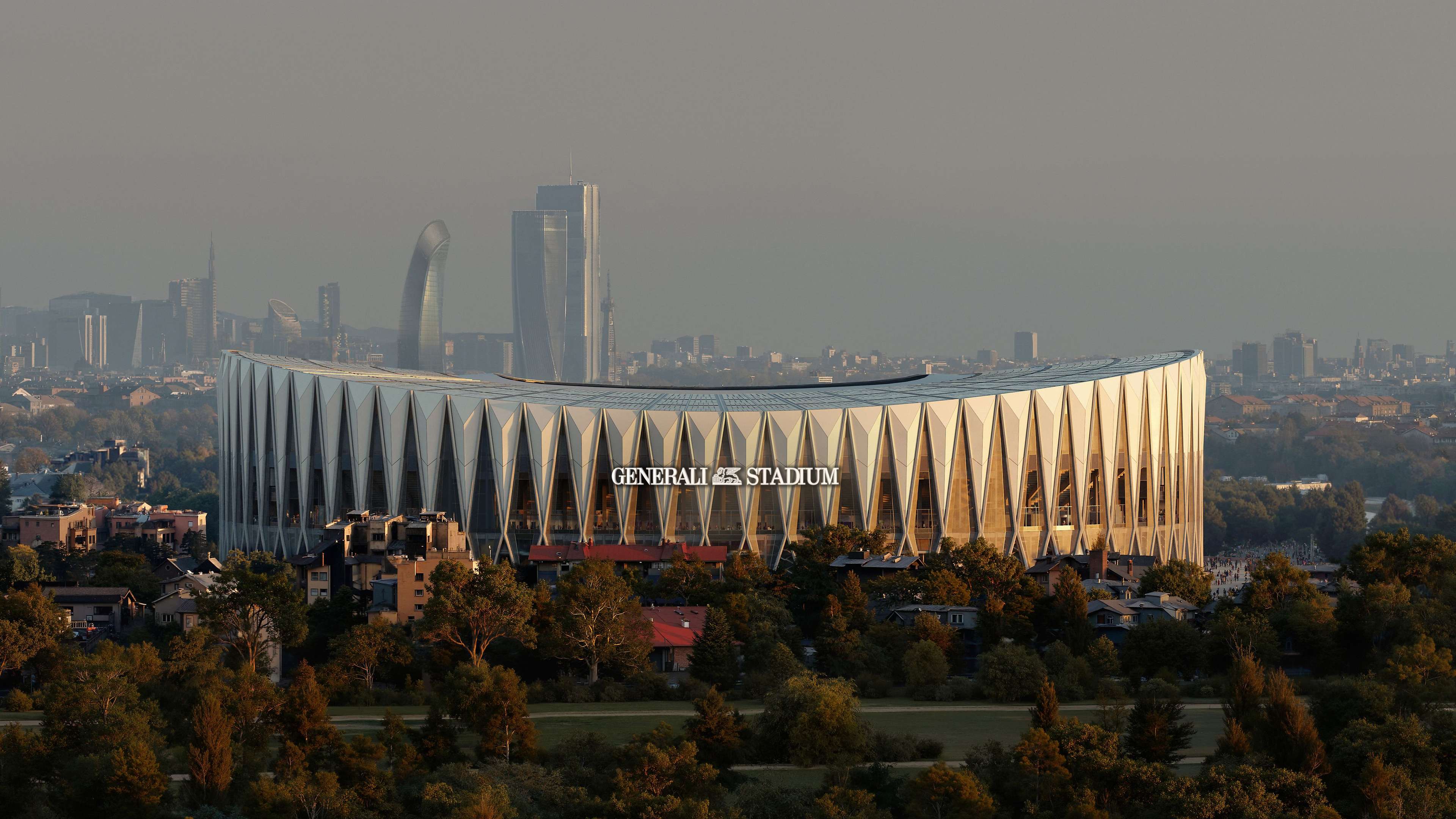
Inter and AC Milan have revealed designs for a new shared home that could reshape the future of football in Milan. Presented at the city’s Castello Sforzesco, the plans include a scale model of the proposed stadium and confirmation of a naming-rights agreement with Italian insurance group Generali. The venue is expected to be called Generali Stadium, with reports describing the deal as a record-setter for Italy and potentially among the most valuable stadium naming agreements in Europe.
The project, designed by architecture firms Manica and Foster, is intended to replace the Giuseppe Meazza stadium in San Siro. For supporters, the announcement brings a long-running debate about the future of the historic ground into sharper focus. For the clubs, it signals a push toward a modern venue designed to serve both matchday crowds and the wider neighbourhood.
What is known about the Generali Stadium deal?
Inter and AC Milan have already signed an agreement with Generali, one of Italy’s leading insurance companies. According to reporting by Calcio e Finanza, the deal’s value and duration are expected to set new benchmarks in the Italian market and rank strongly by European standards.
The precise financial terms and the length of the agreement have not been detailed in the announcement. That means supporters and industry observers will have to wait for further information before comparing the contract directly with naming-rights arrangements at other major venues. Still, securing a sponsor before construction is complete gives the clubs an important commercial foundation for a project expected to require substantial investment.
Naming rights are more than a logo on a stadium exterior. A long-term partnership can provide predictable income, support financing and create opportunities for joint marketing. For Generali, the agreement offers prominent visibility through two internationally recognised clubs and a venue intended to host football, entertainment and other major events.
A new stadium for two historic rivals
Inter and AC Milan are among the most successful and widely followed clubs in European football, but they have shared the San Siro since the mid-20th century. The Giuseppe Meazza has hosted domestic league matches, European nights and major international fixtures, making it one of the sport’s most recognisable grounds. Its history gives the stadium enormous emotional importance, even as questions about its age, facilities and long-term suitability have grown.
The proposed replacement is designed to provide a more contemporary experience for fans, players and event organisers. While the clubs have described the project as modern, attractive and functional, its broader ambition is to change the area around the stadium as well as the venue itself. Plans point toward a more integrated district, where the matchday experience could connect with public spaces, services and activity beyond the ninety minutes on the pitch.
That approach reflects a wider shift in stadium development. Leading clubs increasingly view their grounds as year-round destinations rather than facilities used only on matchdays. Restaurants, retail, hospitality, conferences and live events can help generate revenue throughout the calendar, while improved transport and public spaces may benefit residents and visitors. The details of the final development will determine how far those ambitions are realised.
Why the project matters to Milan
A new shared stadium would be a major undertaking for the city as well as for Inter and Milan. The project raises practical questions about construction timelines, public transport, traffic, local businesses and the future of the existing San Siro site. Those issues will matter to residents, supporters and city officials as the proposal moves through planning and approval stages.
The clubs will also need to balance commercial priorities with the character of the neighbourhood. A venue built to host large crowds must be supported by reliable transport and careful event management. At the same time, the design’s long-term success will depend on whether it feels connected to Milan rather than operating as an isolated sports complex.
There is also a question of heritage. The Giuseppe Meazza is not simply an old stadium; it is a landmark associated with generations of supporters and some of the city’s most memorable football moments. Replacing it therefore involves more than choosing a new architectural style. The clubs and city will need to consider how the history of San Siro can be acknowledged, preserved or represented as the next chapter begins.
What supporters can expect next
The unveiling marks a significant step, but it does not mean the new stadium is ready to open. Design development, planning decisions, financing and construction will all shape the final outcome. Supporters should expect further announcements as the clubs clarify the project’s schedule, capacity, facilities and the financial structure behind the Generali partnership.
Those details will also influence predictions about how quickly the venue can become a major commercial asset. If the stadium is delivered as planned and attracts strong attendance, its combination of football fixtures and non-sporting events could create a substantial new revenue stream. However, construction costs, delays and the challenge of coordinating two clubs’ needs will remain important factors.
A new era for Milan football
For now, the confirmed naming-rights agreement gives the project an unmistakable identity and signals that commercial partners see value in its long-term potential. The Generali Stadium plan represents a bold attempt to combine the traditions of Inter and AC Milan with a modern venue built for the demands of contemporary football.
The ultimate test will be whether the new ground can match the atmosphere and history of San Siro while offering better facilities and a stronger connection to the city. If the clubs can achieve that balance, the stadium could become more than a replacement venue: it could mark a new era for Milan football and establish a fresh benchmark for stadium development in Italy.