
Al-Nassr Striker Abdullah Al-Hamdan Faces Challenging Performance in Arabian Gulf Cup Opener
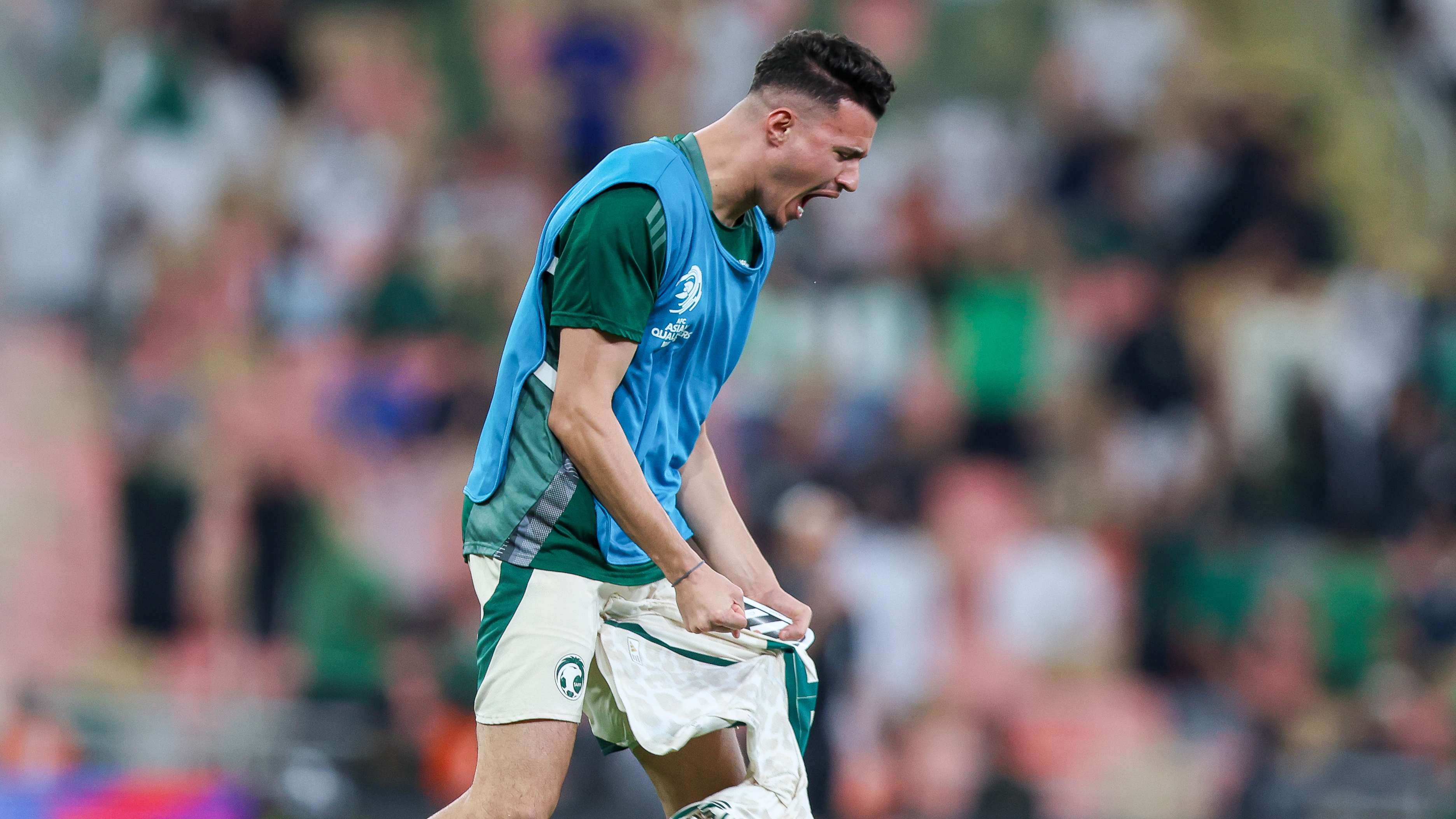
In a highly anticipated clash during the opening round of the 27th Arabian Gulf Cup, Saudi Arabia’s national team encountered a disappointing performance from one of its key players, Abdullah Al-Hamdan. The Al-Nassr forward, known for his goal-scoring prowess and offensive capabilities at club level, struggled to make an impactful contribution during the match against Kuwait, which ended in a narrow 1-0 victory for Saudi Arabia. This performance has sparked conversations among fans, pundits, and football analysts about expectations versus reality, as well as the broader implications for Al-Hamdan’s confidence ahead of upcoming fixtures.
Al-Hamdan’s Underwhelming Start Raises Questions
From Expectations to Reality
Despite the high hopes placed on Abdullah Al-Hamdan, especially given his impressive record with Al-Nassr, his performance in this crucial international fixture was far from satisfactory. The forward, who has consistently demonstrated clinical finishing and agility in the Saudi Pro League, appeared visibly off his rhythm from the outset. Even the most cautious football observers did not anticipate such a subdued display from a player of his caliber on the international stage.
Missed Opportunities and Key Errors
Al-Hamdan’s night was marked by missed opportunities and critical errors that could have cost his team dearly. He squandered two clear-cut chances that, under normal circumstances, he would comfortably convert. These missed opportunities not only dampened his confidence but also created a ripple effect within the team’s attacking rhythm. Additionally, his mishandling of several attacking plays and poor positioning left teammates frustrated, highlighting a lack of composure and decision-making under pressure.
Understanding the Factors Behind the Performance
Pressure and High Stakes
International tournaments like the Arabian Gulf Cup often come with immense pressure, especially for players transitioning from club to country. Al-Hamdan’s struggles could partly stem from the heightened expectations and the intense scrutiny that accompanies representing Saudi Arabia on home soil. Such pressure can sometimes lead to hesitation or loss of focus, which appeared to be reflected in his gameplay.
Team Dynamics and Tactical Setup
Another aspect worth considering is the tactical approach adopted by the Saudi coaching staff. The strategy aimed to capitalize on quick counterattacks and set-piece opportunities, but the team’s overall cohesion seemed to suffer, and Al-Hamdan appeared isolated at times. This disjointed attacking flow could have contributed to his inability to find rhythm or create meaningful chances, further amplifying his individual struggles.
Broader Context: Football Prediction and Player Development
Predictions Versus Reality in Football Tournaments
Football predictions often serve as a barometer of expectations, influenced by recent form, player reputation, and tactical analysis. However, the unpredictability of football is what makes tournaments like the Arabian Gulf Cup so captivating. Even seasoned analysts can be caught off guard by performances that deviate from predictions, highlighting the importance of adaptability and resilience in the sport.
Player Development and Confidence Building
For Abdullah Al-Hamdan, this setback underscores the importance of mental resilience and continual development. Strikers, in particular, rely heavily on confidence, and a string of missed chances can sometimes lead to a downward spiral. It is essential for coaches and teammates to support players through such phases, providing constructive feedback and encouragement to help restore confidence and sharpen their instincts ahead of future matches.
What’s Next for Abdullah Al-Hamdan?
Rebuilding Form and Confidence
The road to regaining form begins with introspection and targeted training. Al-Hamdan’s club, Al-Nassr, and the Saudi national team coaching staff will likely analyze his performance closely and develop tailored strategies to enhance his decision-making, positioning, and finishing skills under pressure. Additionally, mental conditioning and match simulations could play a vital role in helping him overcome the recent slump.
Importance of Support and Team Cohesion
Football is a team sport, and individual performances are often intertwined with collective effort. Strengthening team chemistry and ensuring clear tactical communication will be crucial in helping players like Al-Hamdan find their rhythm again. As the tournament progresses, opportunities for redemption will arise, and the focus will shift toward fostering resilience and adaptability among the squad.
Implications for Football Prediction and Future Tournaments
This incident serves as a reminder that while predictions can provide insights, they are never foolproof. Football’s unpredictability is what keeps fans on the edge of their seats, and performances can dramatically swing based on numerous factors—mental state, tactical adjustments, or even luck. For teams and players alike, embracing this unpredictability and focusing on continuous improvement remains paramount.
Conclusion: A Learning Curve in International Football
Abdullah Al-Hamdan’s challenging performance in the Arabian Gulf Cup opener is a valuable lesson in the importance of mental toughness, tactical discipline, and resilience. While it’s natural for fans and pundits to scrutinize such moments, it is equally vital to recognize that setbacks are part of the journey in professional football. With the right support system and a focus on improvement, Al-Hamdan can bounce back stronger, contributing significantly to Saudi Arabia’s pursuit of regional glory.
As the tournament unfolds, football enthusiasts worldwide will be watching closely, eager to see how players adapt and evolve. This episode underscores the essence of football prediction—while expectations are high, the beauty of the sport lies in its capacity to surprise, challenge, and inspire ongoing growth at every level.