
Khvicha Kvaratskhelia Begins Recovery After Successful Knee Surgery
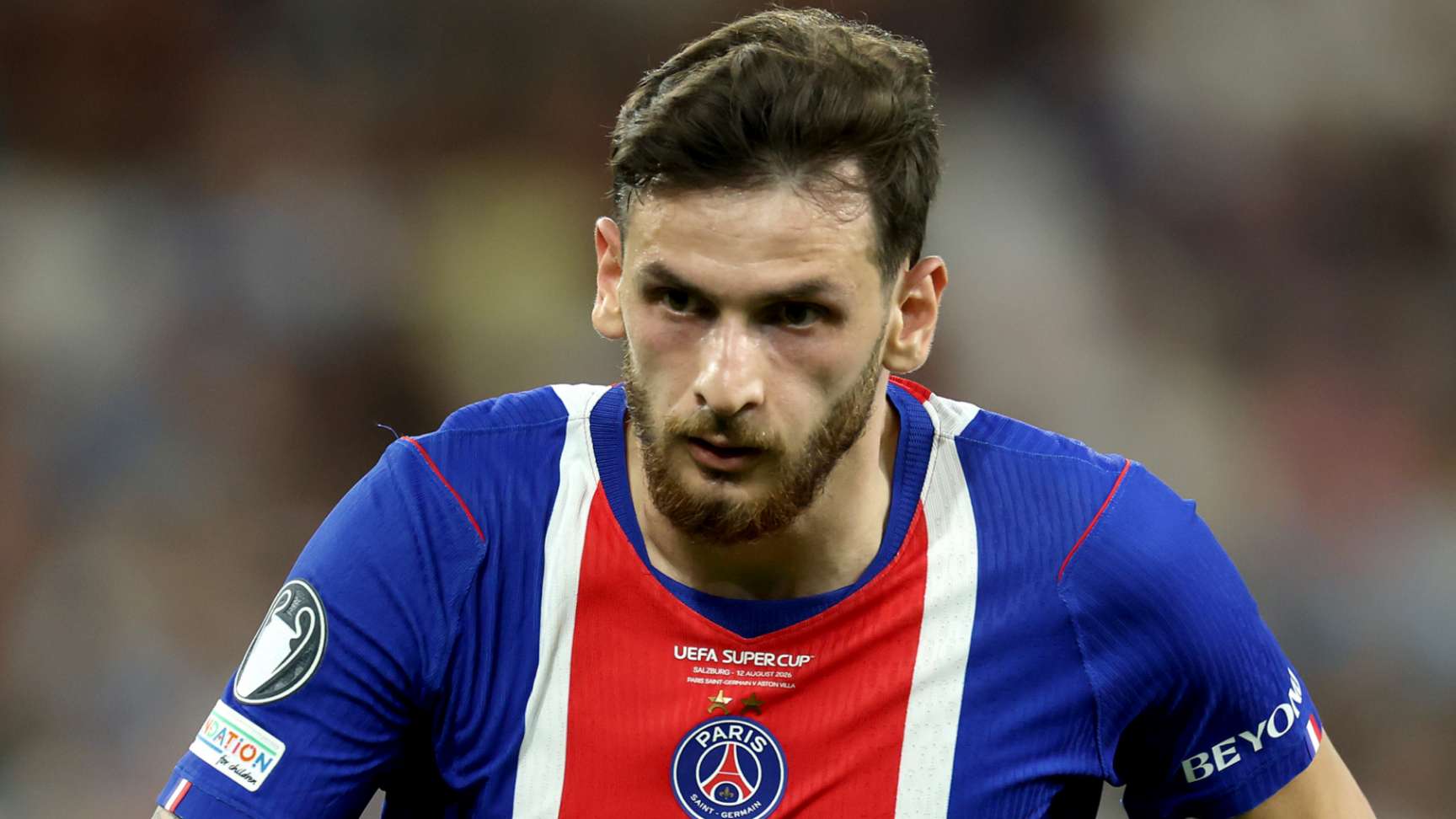
Paris Saint-Germain have confirmed that Georgian winger Khvicha Kvaratskhelia has undergone successful surgery on his right knee, marking the first major step in his recovery from a serious injury. The club said the forward will now begin a rehabilitation programme, although it has not provided a timetable for his return to training or competitive football.
The update will offer reassurance to PSG supporters after Kvaratskhelia was forced off with a knee problem during the club’s 4-2 Champions League victory over Barcelona. Medical examinations later identified a tear in the anterior cruciate ligament (ACL) in his right knee, an injury that required surgical treatment.
PSG Confirms Operation in Doha
In a statement published on its official website, PSG said the operation was performed successfully at Aspetar Hospital in Doha, Qatar. The procedure was carried out to repair the damaged ACL, with the player expected to move into the next phase of care in the coming period.
The announcement did not include further details about the precise nature of the surgery or the expected duration of Kvaratskhelia’s absence. PSG said only that he would start rehabilitation and remain under medical supervision as his recovery progresses. That cautious approach is common with significant knee injuries, where progress is assessed individually rather than based on a fixed return date.
Why ACL Recovery Takes Time
The anterior cruciate ligament helps stabilise the knee, particularly during movements such as turning, accelerating, landing and changing direction. Those actions are central to modern football, especially for an attacking winger like Kvaratskhelia, whose game relies on quick bursts of pace, close control and sharp changes of direction.
Following surgery, rehabilitation typically develops in stages. Early work focuses on managing swelling, restoring comfortable movement and rebuilding basic strength. As the knee improves, a player may progress to more demanding exercises, running, football-specific drills and eventually full training. Each stage depends on medical assessments and the athlete’s response to the workload.
Even when a player feels ready to return, medical staff must consider strength, balance, mobility and confidence in the affected leg. A careful progression can help reduce the risk of setbacks and support a safer return to the intensity of elite competition. For that reason, supporters should be cautious about treating any early prediction of a comeback date as definitive.
No Return Date Set
PSG have not said how long Kvaratskhelia will be sidelined, when he might resume team training or whether he could feature again during a particular part of the season. His availability will depend on how the knee responds to treatment and how successfully he completes each rehabilitation milestone.
The club is expected to monitor his condition continuously, with decisions made in consultation with its medical and performance staff. A return to individual training would not automatically mean he is ready for matches: players generally need to rebuild fitness and regain confidence in competitive movements before being considered for selection.
For PSG, the priority will be ensuring that the Georgian international is fully prepared before he returns to the pitch. Rushing an important player back too soon could jeopardise his recovery, while a measured rehabilitation plan gives him the best opportunity to resume his role without unnecessary risk.
What Kvaratskhelia’s Absence Could Mean for PSG
Kvaratskhelia’s injury is a significant concern for PSG because he offers a combination of creativity, direct running and one-on-one ability. From wide areas, he can carry the ball into dangerous positions, create chances for teammates and threaten goal himself. His absence may require the coaching staff to adjust their attacking options and distribute those responsibilities across the squad.
That does not mean PSG’s season will be defined by the injury. The club has other players who can contribute in wide and forward positions, but replacing Kvaratskhelia’s particular style may require tactical changes. PSG could seek greater width from another winger, encourage full-backs to advance more often, or rely on midfielders to provide additional support in the final third.
Upcoming fixtures will test the squad’s depth, particularly in a campaign that includes domestic competition and demanding European matches. PSG’s ability to maintain attacking balance while Kvaratskhelia recovers could be an important factor in their results. Any football prediction about the team’s prospects, however, should account for more than one injury: form, opponent strength, squad availability and tactical choices will all matter.
A Patient Road Back
The successful operation is an encouraging development, but it is only the beginning of a longer process. Kvaratskhelia now faces the gradual work of restoring movement, strength and match fitness under the guidance of medical professionals. PSG have not offered a timeline, and the most reliable indication of his progress will be future updates from the club.
For supporters, the immediate hope is that rehabilitation proceeds smoothly and without complications. Kvaratskhelia’s return will be planned around his physical progress rather than a predetermined deadline. Until PSG confirms that he has advanced through the necessary stages, his comeback remains uncertain.
For now, the key news is clear: the surgery on Kvaratskhelia’s right knee was successful, and rehabilitation is set to begin. PSG will be looking for steady progress as their Georgian star works towards a safe return to football.