
India Clinches Unbeaten Gold in Men’s Kabaddi at the 2026 Asian Games: A Thrilling Victory Over Iran
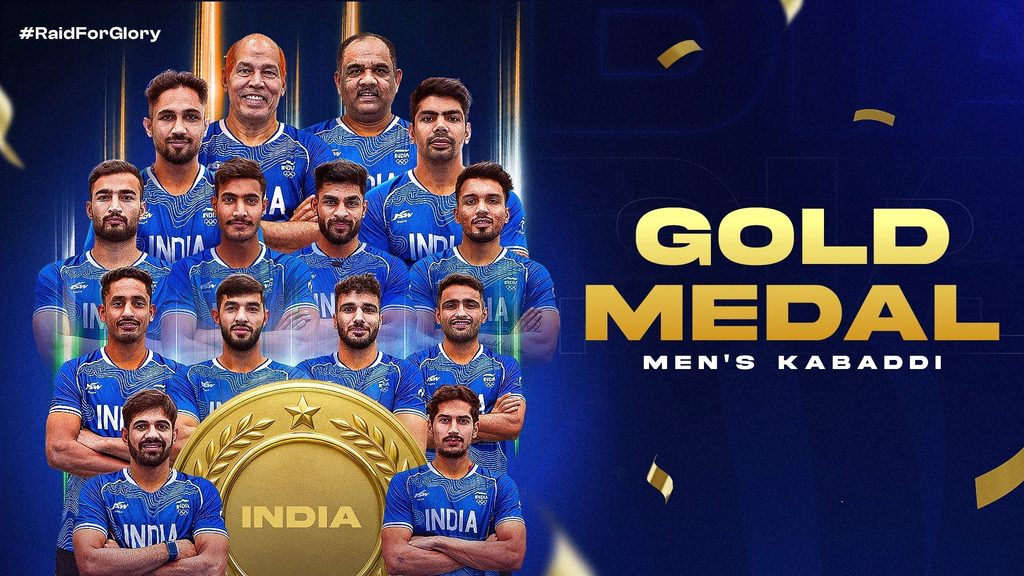
The 2026 Asian Games in Aichi-Nagoya delivered an electrifying showcase of kabaddi, with India reaffirming its dominance in the sport by securing an undefeated gold-medal campaign. The men’s kabaddi final, held at the bustling Tokai Citizens Gymnasium on Saturday, was a riveting contest that kept fans on the edge of their seats. Led by stellar performances from Arjun Deshwal and Devank Dalal, complemented by strategic defensive interventions from Sumit and Jaideep, India overcame a resilient Iran team with a final score of 40-34, marking their ninth gold medal in Asian Games kabaddi history.
Pre-Game Expectations and Build-Up
The men’s kabaddi final at the 2026 Asian Games drew immense anticipation, with both India and Iran boasting formidable lineups renowned for their tactical prowess and physicality. Historically, Iran has been a dominant force in Asian kabaddi, often challenging India’s supremacy with innovative strategies and aggressive raids. However, India entered the match with a perfect record, eager to defend their title and solidify their legacy as the sport’s powerhouse in the continent. Fans from across Asia tuned in, eager to witness a clash of titans that promised high-octane action and strategic brilliance.
Early Exchanges: Setting the Tone
The match kicked off with intense energy, as both teams exhibited patience and discipline in their defensive formations. From the first raid, India and Iran exchanged points, reflecting the high stakes and mental toughness of both sides. Arjun Deshwal and Devank Dalal spearheaded India’s offensive efforts, executing aggressive raids designed to destabilize Iran’s defense. On the other side, Ali Samadi Choubtarash emerged as Iran’s early threat, launching daring raids to keep India on its toes.
India’s Sunil Kumar made an immediate impact in defense, producing a crucial Super Tackle on Mohammadreza Shadlouichiyaneh that shifted momentum in India’s favor. Meanwhile, Arjun Deshwal demonstrated his versatility, consistently earning touches and bonus points that kept India competitive. Iran responded with strategic plays, notably when Amirmohammad Zafar Danesh executed a successful All-Out raid, giving Iran a narrow lead and emphasizing the fiercely contested nature of the match.
Mid-Game Tensions and Defensive Masterstrokes
As the first half progressed, both teams showed resilience, with disciplined defensive setups thwarting many attacking attempts. Arjun continued to be a thorn in Iran’s side, accumulating crucial points, while Jaideep’s defensive interventions played a pivotal role in halting Iran’s raids. The Iranian captain, Fazel Atrachali, responded with a Super Tackle, demonstrating leadership and tactical acumen, helping Iran carry a slender 18-17 lead into halftime.
The second half saw Iran push hard for dominance, with Zafar Danesh repeatedly answering India’s challenges through powerful raids. Shadlouichiyaneh’s ankle hold further extended Iran’s advantage, but India’s defensive resilience began to turn the tide. Sumit and Jaideep teamed up for a vital Super Tackle on Ali Samadi, showcasing their synchronization and defensive discipline. Aslam Inamdar then executed a successful do-or-die raid, leveling the score and reigniting India’s hopes in the contest.
Turning Point: The Decisive All-Out
With the game finely poised, India orchestrated a critical breakthrough in the final quarter. Arjun Deshwal, displaying exceptional skill, managed to evade Iran’s formidable captain Fazel Atrachali, setting up an All-Out raid that turned the match in India’s favor. This strategic move gave India a five-point lead with less than 10 minutes remaining, injecting confidence into the Indian squad and leaving Iran with a daunting uphill battle.
From this point, India’s attack intensified. Arjun and Devank continued to challenge Iran’s defensive structure, while Sumit executed a decisive back hold to shut down Zafar Danesh’s attempts. Despite Iran’s relentless efforts, including vigorous raids by Shadlouichiyaneh, India’s disciplined defense held firm. Rahul Sethpal’s crucial tackle in the final moments prevented Iran from closing the gap, allowing India to maintain a seven-point lead with just three minutes remaining.
Closing Stages and Celebrations
In the final minutes, Iran threw everything forward in a desperate attempt to turn the tide. However, India’s composed play and strategic points from Aslam Inamdar prevented any late comeback. As the referee blew the final whistle, India emerged victorious with a 40-34 scoreline, completing their Asian Games campaign undefeated and securing their ninth gold medal in kabaddi at the continental level.
This victory not only underscores India’s dominance in kabaddi but also highlights the strategic depth and resilience of their players. The combination of aggressive raids, disciplined defense, and tactical substitutions proved decisive against a resilient Iranian side that fought valiantly throughout the match.
Significance of the Win and Future Outlook
India’s triumph in men’s kabaddi at the 2026 Asian Games cements their status as the undisputed leaders in the sport across Asia. The victory extends their record of Asian Games gold medals in kabaddi, showcasing their consistent excellence over decades. Moreover, this win is a testament to the growing global competitiveness of kabaddi, with Iran and other nations increasing their investments and talent pools.
Looking ahead, Indian kabaddi is poised for further growth, with emerging talents like Arjun Deshwal and Devank Dalal likely to lead future campaigns. The sport’s increasing popularity, fueled by high-stakes tournaments and international exposure, promises a bright future for kabaddi enthusiasts worldwide. The 2026 Asian Games once again demonstrated the sport’s capacity to deliver thrilling, high-intensity contests that captivate fans and showcase the best of Asian athletic talent.
Expert Insights and Analysis
Sports analysts lauded India’s strategic approach, emphasizing how disciplined defense combined with aggressive raid tactics created a perfect balance that proved difficult for Iran to counter. “India’s ability to adapt under pressure and execute crucial tackles at key moments was the defining factor,” remarked a veteran kabaddi commentator. “Players like Arjun Deshwal and Sumit exemplify the new generation of Indian kabaddi talent—fast, tactical, and highly skilled.”
Iran’s performance, while ultimately falling short, was commendable for its resilience and tactical discipline. Captain Fazel Atrachali’s leadership and Zafar Danesh’s relentless raids kept Iran competitive until the final moments. Their performance signals a rising level of competition in Asian kabaddi, which will undoubtedly elevate the sport further in the coming years.
Conclusion
India’s victorious journey at the 2026 Asian Games in kabaddi not only reaffirms their status as the sport’s powerhouse in Asia but also highlights the evolving tactical landscape of the game. As fans celebrate India’s ninth Asian Games gold medal in kabaddi, the sport’s future looks brighter than ever, with new talents emerging and international competitors raising the bar. The thrilling final against Iran will be remembered as a showcase of skill, strategy, and unyielding determination—hallmarks of high-level kabaddi on the continental stage.