
India’s Women’s Kabaddi Team Secures Third Consecutive Gold at the 2026 Asian Games
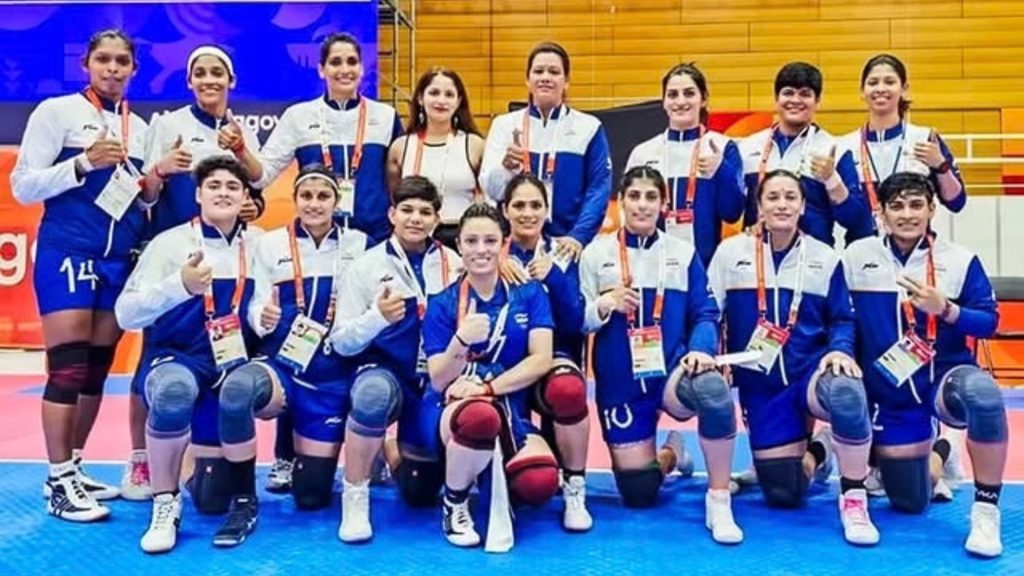
The Indian women’s kabaddi team has once again demonstrated their dominance on the continental stage by clinching their third consecutive gold medal at the 2026 Asian Games held in Aichi-Nagoya. This victory, achieved through a hard-fought final against Iran, not only reaffirms India’s supremacy in women’s kabaddi but also highlights the evolving competitiveness of the sport across Asia.
Thrilling Final Showdown at Tokai Citizen Gymnasium
The gold medal match, played at the bustling Tokai Citizen Gymnasium on Saturday, was a riveting contest that kept spectators on the edge of their seats from start to finish. Unlike earlier matches where India appeared to dominate with relative ease, the final proved to be a fiercely contested battle, showcasing the resilience and skill of both teams. The Indian team emerged victorious with a narrow 37–34 margin, cementing their legacy in Asian Games history.
Strategic Play and Key Moments Define the Match
From the outset, the match was intensely competitive. India gained an early advantage, leading by 6 points at halftime with a score of 22-16. The first half saw India capitalizing on crucial moments, including three bonus points and a significant All-Out, which shifted the momentum in their favor. Iran, however, remained resilient, chipping away with seven bonus points and maintaining pressure, keeping the match finely poised.
In kabaddi, bonus points are awarded when defenders successfully stop raiders outside the court boundaries, while All-Outs occur when all defenders are out, providing a substantial advantage. The ability of both teams to capitalize on these aspects added layers of complexity to the game and kept spectators captivated.
Second Half: A Battle of Nerve and Skill
As the second half commenced, Iran launched a spirited comeback, outscoring India 18–15. Their efforts paid off when they converted an All-Out opportunity, narrowing the Indian lead to a single point—27–26. This pivotal moment injected new energy into the Iranian squad and intensified the match’s drama.
India’s captain, Pushpa Rana, demonstrated exceptional leadership under pressure. Her strategic All-Out in the second half was a turning point, restoring India’s lead and providing a much-needed buffer. Sanju Devi’s daring raid further shifted momentum, showcasing her agility and tactical acumen. Pooja, another standout performer, exploited defensive lapses in Iran’s formation to extend India’s advantage, sealing their victory.
Defensive Resilience and Tactical Brilliance
Despite the setback, Iran refused to surrender. They mounted a relentless challenge, earning 14 out points in the second half and executing a Super Tackle—a crucial defensive move that can turn the tide of a match. Their persistent efforts underscored the increasing competitiveness of women’s kabaddi in Asia, as Iran and other nations continue to elevate their gameplay.
However, India’s experience and strategic discipline proved decisive. Their ability to execute tactically in critical moments, combined with disciplined defense and aggressive raids, ultimately secured the victory. This match underscored the importance of mental toughness, teamwork, and tactical versatility in kabaddi—a sport that demands both physical endurance and strategic finesse.
Significance of the Victory for India
This win marks India’s third consecutive gold medal in women’s kabaddi at the Asian Games, a feat that underscores their sustained dominance in the sport. The victory also highlights the growth of women’s kabaddi in India, which has seen increased investment, training facilities, and international exposure in recent years.
India’s success at the 2026 Asian Games not only boosts national pride but also inspires a new generation of female athletes to pursue kabaddi at competitive levels. The sport, traditionally rooted in rural Indian communities, has gained prominence on the international stage, with India leading the charge and setting high standards for other nations to emulate.
Beyond the Match: The Future of Women’s Kabaddi
The 2026 Asian Games have showcased the evolving landscape of women’s kabaddi, with countries like Iran, Thailand, and Bangladesh emerging as formidable contenders. The sport’s inclusion in multi-sport events like the Asian Games has accelerated its development, attracting more young women and enhancing the quality of international competition.
Moreover, the success of teams like India and Iran highlights increasing investments in women’s sports in the region. Sports federations are now focusing more on grassroots development, coaching excellence, and international exposure, which are critical for elevating the standard of women’s kabaddi globally.
Conclusion: A Celebratory End to a Spectacular Campaign
The Indian women’s kabaddi team’s triumphant return to the podium at the 2026 Asian Games is a testament to their dedication, skill, and unwavering spirit. Their victory not only adds a glorious chapter to India’s sporting history but also signals the sport’s promising future across Asia. As women’s kabaddi continues to grow in popularity and competitiveness, fans can look forward to more exhilarating matches, fierce rivalries, and inspiring performances in upcoming international tournaments.
With this latest gold medal, India cements its position as the powerhouse of women’s kabaddi, inspiring countless young women to pick up the sport and dream big. The journey of women’s kabaddi, marked by resilience and rising excellence, is undoubtedly one of the most compelling stories in contemporary Asian sports.