
Morocco Welcomes FIFA President as World Cup 2026 Gets Under Way
Morocco has welcomed another major moment in its rise as an international football destination. FIFA President Gianni Infantino returned to the Kingdom for the opening of the Morocco 2026 Under-17 Women’s World Cup, joining the tournament’s first match and ceremonies as the country prepares for an even larger challenge: co-hosting the 2030 FIFA World Cup with Spain and Portugal.
His visit brings attention to more than the start of a youth competition. It highlights Morocco’s growing role in global football, its experience hosting international events, and the work underway to prepare for one of sport’s biggest occasions. For the host nation, the Under-17 tournament is both a celebration of emerging women’s talent and an opportunity to demonstrate its organisational readiness on the world stage.
Infantino Praises Morocco’s Football Culture
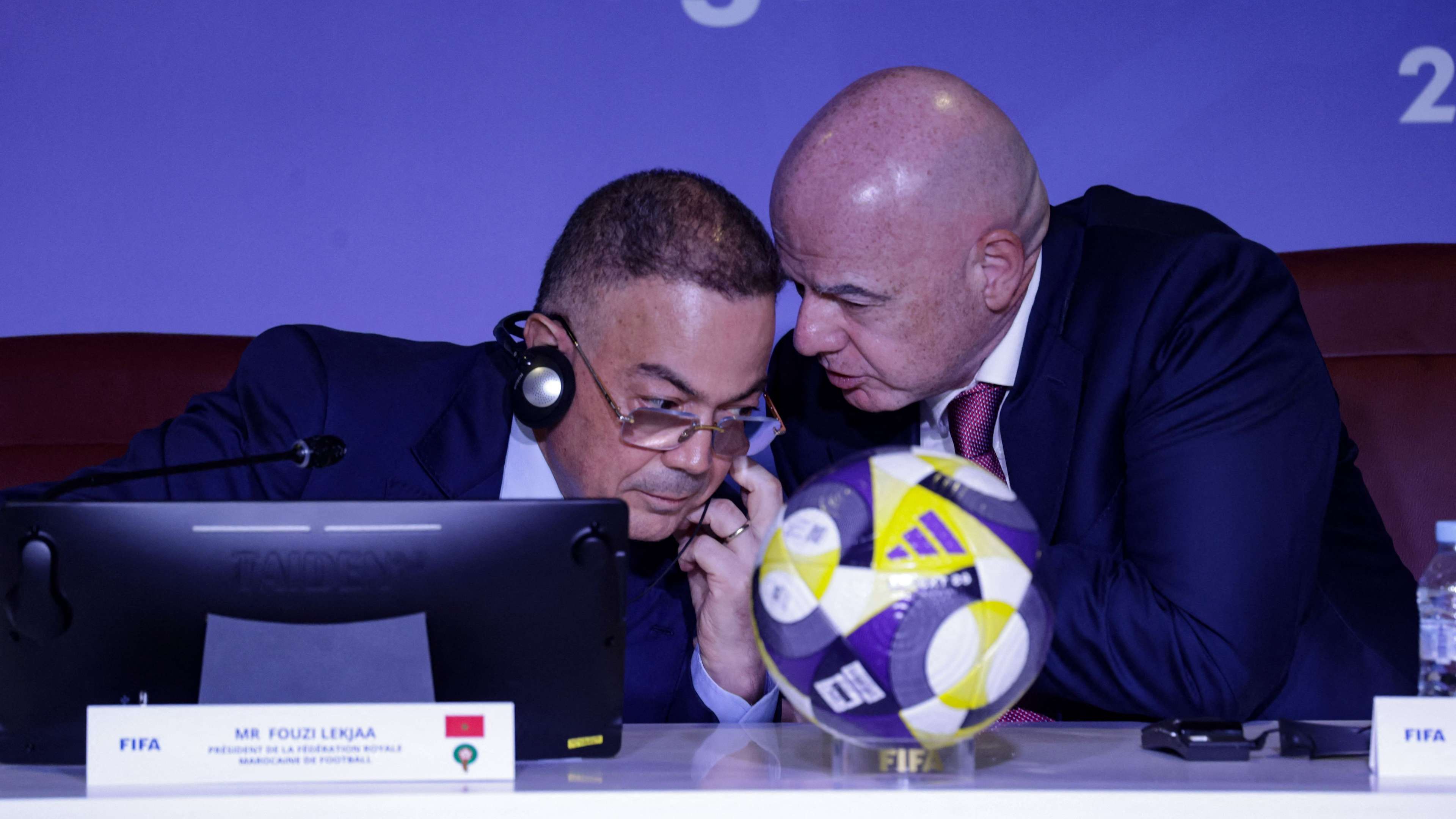
Royal Moroccan Football Federation president Fouzi Lekjaa received Infantino during the tournament’s opening events. The meeting underscored the close relationship between FIFA and Moroccan football authorities as the country continues to strengthen its international profile.
Infantino expressed his pleasure at returning to Morocco and praised the enthusiasm supporters bring to the game. In Morocco, football is not confined to the pitch or the stands: it is a powerful part of public life, capable of bringing people together across communities. The FIFA president also pointed to the sport’s wider messages of tolerance, coexistence and peace.
That passion is one of the country’s most visible assets. Moroccan fans have earned a reputation for creating a vibrant atmosphere, while the national team’s achievements have helped deepen the public’s connection with the sport. Such energy can make a tournament memorable for visiting teams and supporters—and can help establish a lasting impression of the host country.
A Youth Tournament With a Larger Purpose
The Under-17 Women’s World Cup gives young players from around the world a chance to compete at the highest level of their age group. It also offers a valuable platform for the development of women’s football, showcasing the skill, determination and tactical growth of the next generation.
For Morocco, hosting the competition is an opportunity to welcome international audiences while supporting the visibility of the women’s game. Youth tournaments can help inspire future players, coaches and fans, particularly when young athletes see women competing on a global stage in their own region. The event also gives local organisers practical experience in delivering match operations, media services, transport and security for an international audience.
These details matter because successful hosting depends on far more than a stadium. Teams need reliable training facilities and accommodation; supporters need clear transport options and accessible information; and broadcasters require efficient systems to deliver the action to viewers worldwide. Each tournament helps a host nation refine those systems and identify where further investment is needed.
Building Experience Ahead of 2030
The 2026 competition comes as Morocco looks toward the 2030 FIFA World Cup, which it will co-host with Spain and Portugal. The tournament will place unprecedented demands on the three host countries, with matches, teams and fans spread across multiple cities and national borders.
For Morocco, the road to 2030 involves continued work on sporting infrastructure, transport links, accommodation and event planning. Hosting international competitions provides a practical test of these preparations. It allows officials to assess how venues operate, how visitors move between locations and how different agencies coordinate under the pressure of a major event.
Morocco’s ambition is supported by a growing record of hosting football competitions and other sporting events. That experience can strengthen confidence among FIFA, participating teams and international visitors. But the World Cup will be a different scale of undertaking, requiring careful coordination with Spain and Portugal as well as long-term planning within Morocco itself.
What a Successful Host Needs
A strong football prediction for the 2030 tournament is that attention will extend well beyond the results on the field. Fans and analysts will also be watching how effectively the hosts manage travel, stadium access, crowd safety and the overall visitor experience. Morocco’s performance in these areas will help shape how the country is judged as a World Cup host.
Major tournaments can also create opportunities beyond sport. They may bring visitors to cities and cultural sites, support local businesses and encourage investment in facilities that remain useful after the final whistle. To achieve lasting benefits, however, planning must consider residents as well as visiting supporters, with infrastructure and services designed to serve local communities over the long term.
The Under-17 Women’s World Cup is a smaller event than the senior men’s World Cup, but it offers a meaningful rehearsal. Its success will depend on the quality of the football and on the many operational details that allow teams and fans to focus on the game. Strong delivery can build momentum; challenges can provide lessons while there is still time to address them before 2030.
Morocco’s Growing Place in World Football
Infantino’s return to Morocco signals the country’s increasing importance in international football. The opening of the youth tournament puts that progress in view while drawing attention to the players who represent the future of the sport. It also gives Morocco a chance to show how its football culture, organisational experience and investment in facilities can work together.
The larger test lies ahead. In 2030, Morocco will share responsibility for welcoming the world alongside Spain and Portugal. The journey from a youth tournament to a global football celebration will require sustained preparation, cooperation and attention to detail. For now, Morocco’s latest hosting role offers a promising step—one that celebrates young women’s football while bringing the Kingdom closer to its World Cup dream.