
Barcelona’s Defensive Injury Crisis Leaves Hansi Flick Facing a Test of Depth
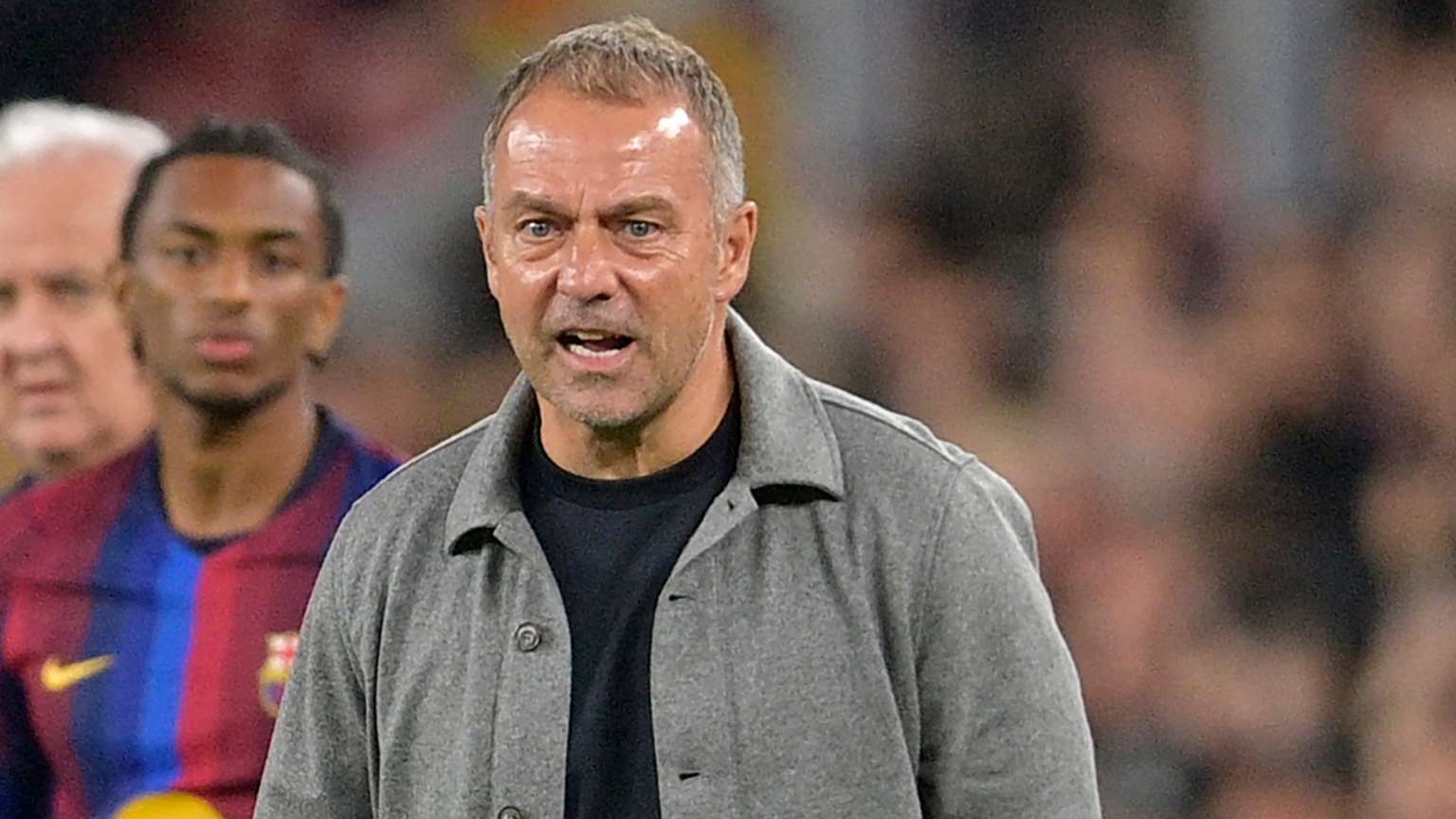
Barcelona’s emphatic victory over Deportivo Alavés offered a welcome boost, but it did little to ease Hansi Flick’s concerns about the club’s depleted defence. With injuries continuing to mount, the German coach is running short of reliable options at the back just as a demanding run of fixtures approaches.
Andreas Christensen, Eric García, Jules Koundé and young defender Txus Espart are all sidelined. Gerard Martín is also managing discomfort and needs time to rest, leaving Pau Cubarsí as the only fully fit natural centre-back available. The shortage forced Flick to improvise against Alavés, using Brian Farinas at right-back, Frenkie de Jong in central defence and João Cancelo on the left.
The makeshift line held up during the win, but Barcelona’s defensive problems extend beyond one match. They raise questions about how the team will cope with opponents capable of testing its organisation, pace and depth during a crucial stretch of the season.
Flick urges caution over injured players
Speaking after the Alavés match, Flick offered no firm timetable for the return of his injured defenders. While he acknowledged that some players are making progress, he stressed that Barcelona cannot assume they will be available immediately.
“We do not yet know when they will return, and we are working on it. There is positive progress in their condition, but the situation is not the best for us,” the coach said. He then underlined the immediate challenge: “We have to hold on through the next two matches.”
Flick said he hoped one or two players might return soon, with Christensen reportedly nearing a return to training. However, Barcelona are unwilling to take unnecessary risks with the Danish defender. A player’s return to training does not automatically mean he is ready for competitive football, particularly when a recurrence could lead to a longer absence.
That cautious approach reflects the broader priority at the club: reducing the injury list gradually rather than chasing short-term reinforcements. Barcelona need their defenders for the months ahead, not just for a single high-profile fixture.
Aston Villa and Atlético Madrid create a demanding schedule
The timing is especially difficult. Barcelona are preparing for a key Champions League meeting with Aston Villa before travelling to face Atlético Madrid in La Liga. The two games bring different tactical challenges, but both could put considerable pressure on a defence already assembled from limited options.
Aston Villa’s direct attacking approach and ability to move quickly into space could test Barcelona’s defensive coordination. Flick may have to balance the team’s usual ambition in possession with greater protection for the improvised back line. If the defenders are unfamiliar with one another’s roles, communication and positioning become as important as individual quality.
The following league match carries additional significance. Barcelona and Atlético are separated by only two points, making the contest at the Riyadh Air Metropolitano a potential turning point in the race near the top of the Spanish table. A positive result could strengthen Barcelona’s position, while a defeat would give their rivals an important advantage.
Reports from Spanish broadcaster Cadena SER suggest there is little expectation within the Barcelona camp that the injured players will be ready for the Aston Villa fixture. Christensen, García and Koundé may be progressing, but their availability remains uncertain, and a return against Villa would reportedly require a significant change in the current outlook.
Could a defender return for the Atlético match?
There may be a slightly better chance that one of the recovering defenders could travel for the Atlético game. Even if that happens, availability would not necessarily mean a starting role. A player returning from injury may lack match sharpness and could need to build up his minutes carefully.
García is believed to be feeling an improvement and will try to recover in time. Flick, however, has made clear that he will not rush a player simply because the fixture list is demanding. His comments after the Alavés win point to a straightforward policy: no shortcuts and no return until the medical staff are satisfied that recovery is complete.
That stance may frustrate supporters hoping for immediate reinforcements, but it is grounded in the risks of re-injury. Rushing a defender back too early can turn a short absence into a much longer one, leaving the squad even more exposed later in the campaign.
Txus Espart faces a longer road back
Espart’s situation appears more serious, with a return not expected before the end of 2026 or possibly the beginning of 2027. His absence removes another option from a squad already short on defensive cover and limits Flick’s ability to rotate during a crowded schedule.
Barcelona will therefore need contributions from players outside their usual defensive positions. De Jong’s experience and composure can help in an emergency, while Cancelo offers attacking quality from the left. But using midfielders or full-backs in unfamiliar roles can affect the team’s balance, especially when opponents target the spaces behind an advanced defence.
The coaching staff may also need to consider how much risk to accept in each match. A more conservative approach could protect the makeshift back line, but it might reduce Barcelona’s ability to press high and control possession. Finding that balance will be central to Flick’s tactical decisions over the next two fixtures.
Barcelona football prediction: depth could decide the week
Any football prediction for Barcelona’s upcoming matches must account for the uncertainty surrounding their defensive personnel. The team’s attacking quality and recent response after defeats to Paris Saint-Germain and Real Madrid remain reasons for confidence. Yet injuries could influence how freely Flick can impose his preferred style against Aston Villa and Atlético.
Barcelona’s best route through the crisis may be collective rather than individual: protect the centre, communicate clearly, and avoid exposing inexperienced or out-of-position defenders to unnecessary one-on-one situations. The team’s midfield will also have an important role in limiting transitions and preventing opponents from attacking an unsettled back line at speed.
For now, Flick’s message is one of patience and survival. Barcelona have two demanding matches to navigate before the international break, and the coach is not promising quick returns. The immediate objective is to compete with the players available, avoid further injuries and give the recovering defenders enough time to come back properly. With the league race tight and European ambitions still alive, how Barcelona manage this defensive shortage could shape the weeks ahead.