
Jagsher Singh Khangurra Wins Historic Bronze at 2026 BWF World Junior Championships
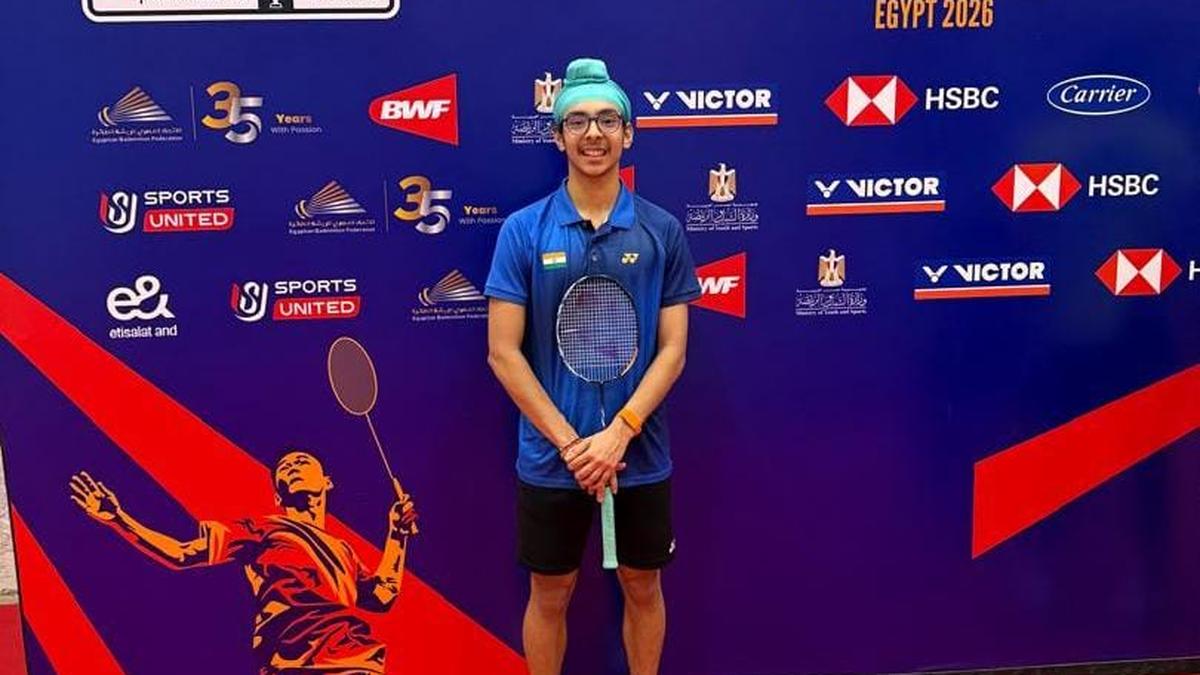
India’s Jagsher Singh Khangurra has added his name to the country’s growing list of boys’ singles medallists at the 2026 BWF World Junior Championships. The young badminton player secured bronze in Cairo, Egypt, after reaching the semifinals of one of the sport’s most important international competitions for junior athletes.
Khangurra’s campaign ended with a three-game defeat to Indonesia’s Radithya Bayu Wardhana. Wardhana won the semifinal 15-6, 13-15, 15-3, advancing to the final, while Khangurra received the bronze medal awarded to the losing semifinalists. Although the result brought his title hopes to a close, reaching the last four marked a significant achievement for the Indian teenager and placed him among an exclusive group in the tournament’s history.
Ninth Indian to Medal in Boys’ Singles
With his bronze in Cairo, Khangurra became the ninth Indian player to win a medal in boys’ singles at the BWF World Junior Championships. The milestone reflects India’s growing presence in junior badminton, where strong performances can signal the emergence of players capable of making an impact at senior level.
The championships bring together promising young shuttlers from across the world, giving them an opportunity to test their skills against international opposition. A medal is especially valuable in this setting: it represents not only a successful run through the draw but also the ability to handle the demands of high-pressure matches against players from badminton’s leading nations.
For Khangurra, the semifinal appearance is a notable step in his development. Progress at junior level does not guarantee future senior success, but performances at a global event can build competitive experience, confidence and visibility. The challenge now will be to use those lessons as he continues to develop his game.
A Close Second Game in a Tough Semifinal
The scoreline shows how the semifinal shifted across its three games. Wardhana took the opening game 15-6, putting Khangurra under early pressure. The Indian responded in the second, finding a way to level the contest with a 15-13 win and keeping his hopes of reaching the final alive.
Wardhana regained control in the deciding game, closing it out 15-3 to secure his place in the championship match. The final game proved difficult for Khangurra, but his second-game response demonstrated his ability to regroup after a challenging start. In badminton, momentum can change quickly, and the capacity to adjust between games is an important part of a player’s competitive growth.
While a semifinal loss can be disappointing, Khangurra’s overall tournament performance should be viewed in context. Reaching the final four at a world championship requires consistency across multiple rounds, as well as the ability to adapt to different opponents and match situations. His bronze medal confirms that he was among the tournament’s leading boys’ singles players in Cairo.
Following in the Footsteps of Indian Badminton Medallists
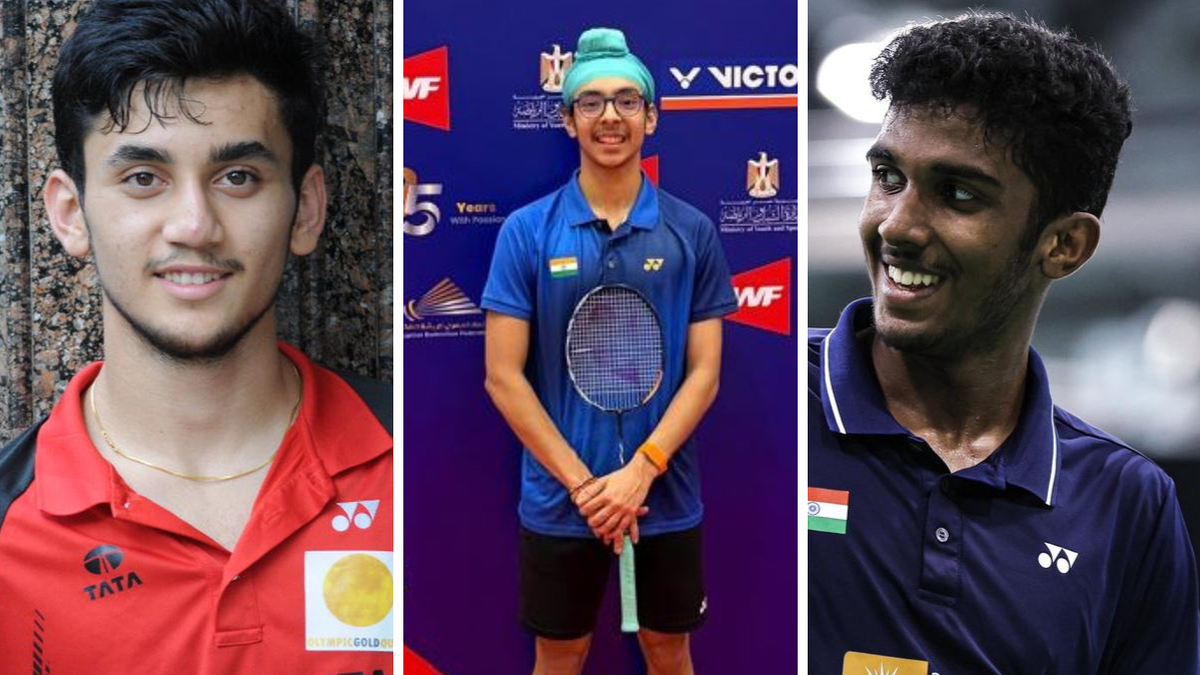
Khangurra joins a lineage that includes several notable Indian names. Gurusai Dutt was the first Indian to medal in the boys’ singles category, earning bronze at the 2008 championships in Pune. His achievement opened the way for later generations of Indian players to compete for honours on the junior world stage.
Lakshya Sen is among the prominent players who have also won a boys’ singles medal at the event. His junior success became part of a wider rise in Indian badminton, as the country developed players capable of competing strongly at major international tournaments. Ayush Shetty is another name associated with India’s medal-winning record in the category.
These achievements help create a visible pathway for younger players. Junior medals can inspire aspiring shuttlers, but they also underline the importance of sustained coaching, tournament exposure and support through the transition to senior competition. Khangurra’s result adds another chapter to that story and gives Indian badminton supporters a new player to follow.
What the Bronze Means for India’s Junior Programme
A world junior medal is both an individual accomplishment and a useful marker of the wider health of a nation’s development system. For India, Khangurra’s performance offers encouragement as the country continues to invest in emerging badminton talent. Strong junior results can help identify players who may be ready for tougher international schedules, while also highlighting areas where athletes can continue to improve.
The next phase of Khangurra’s progress will likely involve building on his international experience and sharpening the skills needed to compete consistently. At the highest levels of badminton, players need more than attacking ability: movement, stamina, shot selection and composure under pressure all play a role. Matches such as the Cairo semifinal can provide valuable feedback on how to manage momentum and respond when an opponent takes control.
For fans, the bronze medal is a reason to celebrate a promising achievement rather than a final measure of what Khangurra can accomplish. The 2026 BWF World Junior Championships have given him a place in Indian badminton history, and his performance will add to the country’s ambitions for the next generation. As he continues his career, the experience of reaching the semifinals—and the lessons from a demanding three-game contest—could prove an important foundation for future challenges.