
Real Madrid Face Another Bernabéu Pitch Reset After NFL Showdown
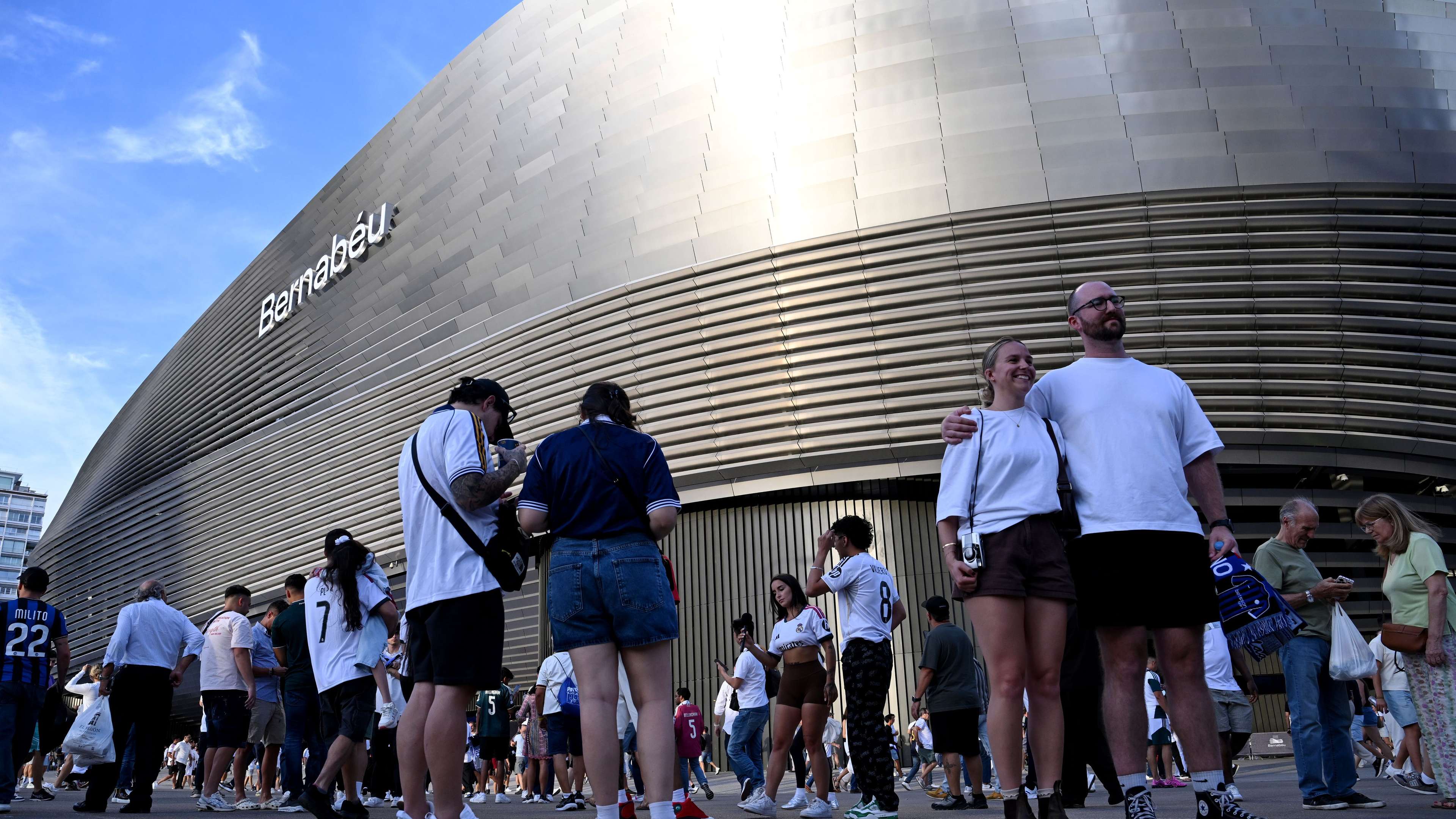
Real Madrid are preparing to renovate the Santiago Bernabéu pitch once again, with an upcoming American football game set to put the playing surface under fresh strain. The club had believed it had finally found a reliable solution to the ground’s long-running maintenance problems, and officials were reportedly satisfied with the grass’s current condition. But hosting an NFL fixture means adapting the stadium for a very different sport—and then restoring the pitch before football returns.
According to Spanish newspaper Marca, the work will begin after Real Madrid’s final home match before the transformation, against Leipzig. Preparations for the Atlanta Falcons versus Cincinnati Bengals game are scheduled to start on 21 October. As with last year’s American football event, the Bernabéu pitch will need to be widened and marked with NFL lines and an end zone, changing its appearance and placing the grass through a demanding period.
Why American football takes a toll on the Bernabéu grass
American football can be particularly punishing for a natural grass surface. Players carry substantial weight, accelerate and stop sharply, and repeatedly collide in concentrated areas. Cleats can tear at the turf, while the repeated impact of tackles and scrums can leave sections worn, uneven or damaged. Even a pitch that looks healthy before the event may require significant attention afterwards.
Real Madrid made the physical challenge clear when explaining the effects of a previous NFL fixture: when athletes weighing more than 100 kilograms repeatedly collide, some deterioration to the grass is unavoidable. The damage is not simply cosmetic. A surface needs to be level, stable and predictable for elite football, where small imperfections can affect a player’s balance, ball control or ability to change direction safely.
That matters especially for a club competing across La Liga and the Champions League. Madrid’s footballers rely on consistent footing and ball movement, while visiting teams also expect a surface that meets professional standards. The club therefore faces a balancing act: welcome a major international sporting event at its modern stadium while ensuring the Bernabéu is ready for the demands of the football calendar soon afterwards.
New grass planned ahead of Celta Vigo’s visit
Once the NFL game is over, the club is expected to remove damaged sections and install new grass. The process will be carefully managed to limit the time needed for recovery, with the aim of having the pitch ready for Celta Vigo’s visit on 22 November. The international break provides a useful window for maintenance crews, giving them additional time to carry out the work and allow the surface to settle before competitive football resumes.
That turnaround will be closely watched. Replacing grass is only one part of the job: the new surface must also be prepared so that it can withstand training and match conditions. Grounds staff typically need to monitor how the turf takes root, how evenly it grows and whether the playing area remains firm and consistent. A successful renovation would help Madrid protect the quality of the pitch while keeping the Bernabéu available for a high-profile event.
The Celta match could also carry an added storyline for supporters. It is expected to coincide with the end of Vinícius Júnior’s four-match suspension, potentially making the Brazilian forward available again. His return would give Madrid another attacking option at a point in the season when fixtures across domestic and European competitions can test squad depth. However, his involvement will depend on the team’s plans and his condition after the suspension.
Valencia fixture timing sparks frustration at the club
While the pitch renovation is creating work behind the scenes, the scheduling of Madrid’s away match against Valencia has caused a separate dispute. The club are unhappy that the trip to Mestalla is set to take place just 72 hours after their Champions League match against Olympiakos in Athens. That short gap means limited recovery time after European travel before another demanding league fixture.
Real Madrid’s official television channel, RMTV, criticised the scheduling and presented fixture dates as a source of tension between the club and La Liga president Javier Tebas. The complaint reflects a wider issue in elite football: teams regularly have to balance domestic matches, European competition, travel and player welfare. A congested calendar can leave coaches with difficult choices about rotation, particularly when important points are at stake.
For Madrid, the concern is not only the number of days between matches. A European away game involves travel and preparation, while a visit to Valencia can be physically and emotionally demanding. The club’s board would reportedly have preferred the league match to be played on Sunday, 8 November, allowing more recovery time after the Olympiakos fixture.
Players see a silver lining in the calendar
There is, however, an unexpected twist: the players are said to be pleased with the date that has frustrated the club’s leadership. A Saturday, 7 November kick-off would leave the squad free to attend or watch the NFL game at the Bernabéu the following day. With several players reportedly interested in American football, the timing suits the dressing room even if it does not satisfy the board.
That contrast highlights how the same schedule can look very different depending on who is assessing it. Club officials are focused on recovery, competitive fairness and the demands of a packed season. Players, meanwhile, may see an unusual opportunity to enjoy a major sporting event at their home ground. Their enthusiasm does not remove the physical challenge of the fixture sequence, but it adds a lighter note to an otherwise tense debate.
Bernabéu’s dual-sport challenge
Real Madrid’s situation reflects the broader challenge facing multipurpose stadiums. Hosting American football can bring international attention and a distinctive spectacle to a venue, but converting the ground is a complex operation. The pitch must be adapted for a sport with different dimensions and markings, then restored quickly enough to meet football’s exacting standards.
The key prediction is that the Bernabéu’s post-event maintenance will be just as important as the NFL game itself. If the grass is replaced and recovers on schedule, Madrid should be able to welcome Celta Vigo with a surface prepared for top-level football. If the turnaround proves difficult, the condition of the pitch could become a talking point for players, coaches and supporters.
For now, Madrid are preparing to manage two separate pressures: a demanding run of fixtures and another major pitch overhaul. The board may be unhappy with the Valencia date, while the players are looking forward to the NFL spectacle. Either way, the club’s grounds team will have the most immediate task—making sure the Bernabéu is ready to host American football and then return to its primary role as one of the world’s most prominent football stadiums.