
Theo Janssen: Feyenoord Have Adjusted Quickly to Life Without Ayase Ueda
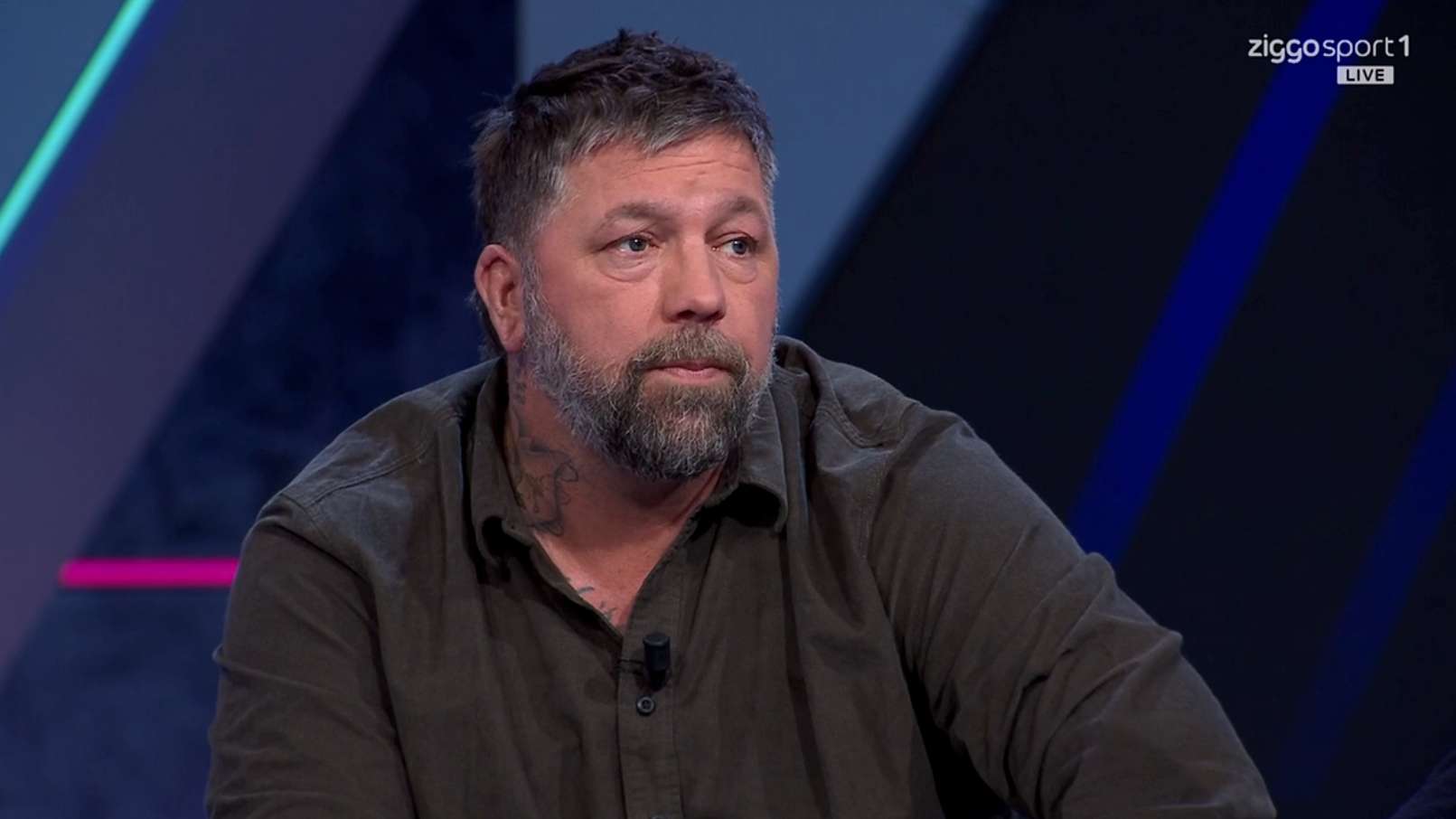
Feyenoord have not spent long dwelling on Ayase Ueda’s departure, according to former Netherlands international Theo Janssen. Speaking on Ziggo Sport before the club’s Champions League meeting with Real Betis, Janssen pointed to the rapid progress of striker Nacho Ferri as a major reason the Rotterdam side have adapted so quickly.
Ueda completed a late-summer move to Lille OSC, with the French club reportedly paying €15 million for the Japanese forward. His exit left Feyenoord without a striker known for spending much of his time in and around the penalty area. But Ferri, despite a difficult start following his €9 million transfer from KVC Westerlo, has begun to make a significant impact.
Ferri’s form has eased concerns over Ueda’s exit
Asked whether Feyenoord were already feeling the loss of Ueda, Janssen gave a confident assessment of the Spaniard’s contribution. “I have to say Ferri is doing quite well too,” he said, noting that the 22-year-old has developed into an effective option for the team.
Ferri’s early adjustment to life in Rotterdam was not entirely smooth. Moving to a new league, adapting to a different footballing culture and earning a regular role can take time, particularly for a young forward arriving with expectations attached to a sizeable transfer fee. His recent performances, however, suggest that he is increasingly comfortable in Feyenoord’s system.
Six goals in eight Eredivisie appearances have placed Ferri among the league’s joint top scorers. That return has given Feyenoord a strong answer to questions about their attacking depth and helped the Spaniard establish himself as one of the team’s most productive players in domestic competition.
Two strikers, two different profiles
Janssen was careful to distinguish Ferri’s style from Ueda’s rather than present the Spaniard as a like-for-like replacement. Ueda, he explained, tends to spend more time inside the penalty area, where his movement and positioning allow him to attack crosses and finish chances close to goal.
Ferri offers a different kind of presence. Janssen described him as physically strong, energetic and exceptionally hard-working. The forward makes frequent runs, presses opponents and contributes to the team’s overall movement, giving Feyenoord a more mobile option across the attacking line.
That contrast could be useful for coach Robin van Persie, whose side can adjust its approach depending on the opponent and the demands of a match. A striker who stays close to goal may be valuable when Feyenoord need a reliable target in the box. Ferri’s willingness to run channels and work beyond the final third, meanwhile, can help stretch defensive lines and create space for teammates.
For Janssen, the key point is that Ferri suits the way Feyenoord are currently playing. “Ferri is an excellent fit for the way Feyenoord are playing now,” he said, concluding that the club do not appear to be missing Ueda at this stage.
Champions League breakthrough remains the next target
Ferri’s domestic scoring record has not yet been matched in Europe. He is still waiting for his first Champions League goal, despite believing he had opened his account during Feyenoord’s away match against Barcelona. That effort was ruled out after a VAR review, leaving him without the reward he had hoped for.
The disallowed goal was a reminder of how narrow the margins can be at the highest level. In the Champions League, chances are often limited, defensive pressure is more intense and decisions can turn on small details. For a young striker, converting a first European opportunity could be an important step in building confidence on the continental stage.
Ferri will have another chance to make that breakthrough when Feyenoord travel to Spain to face Real Betis on Wednesday evening. The match offers a demanding test, but also an opportunity for the in-form forward to carry his Eredivisie confidence into European competition. If he can reproduce the movement and work rate that have made him effective domestically, he may give Feyenoord a valuable attacking outlet.
What Ferri’s rise means for Feyenoord
Feyenoord’s response to Ueda’s transfer highlights the importance of having more than one route to goal. Rather than simply trying to replace the Japanese striker’s specific qualities, the club have found value in Ferri’s different strengths. His physicality, persistence and willingness to make repeated runs can change the rhythm of an attack, even when he is not the player finishing the move.
That flexibility may prove especially important across a crowded schedule involving Eredivisie fixtures and Champions League football. Injuries, fatigue and tactical matchups can all affect a team’s preferred starting lineup. A forward who brings a distinct profile gives the coach more options and can make Feyenoord less predictable for opposing defenders.
For supporters following the latest football news and match prediction discussions, Ferri’s form is one of the most compelling storylines ahead of the Betis fixture. His league scoring suggests he is finding consistency, while his search for a first Champions League goal adds another layer of intrigue. Whether he scores or not, his pressing and movement could shape how Feyenoord approach the contest.
Janssen’s assessment is clear: Feyenoord have not simply forgotten Ueda, but they have adapted to his departure by getting the best from a forward with a different skill set. Ferri’s next challenge is to translate his domestic success into Europe. A strong performance in Spain would strengthen the case that Feyenoord’s attack can remain effective without Ueda—and that their new leading option is still developing.