
India’s Treesa Jolly and Gayatri Gopichand Exit Japan Masters
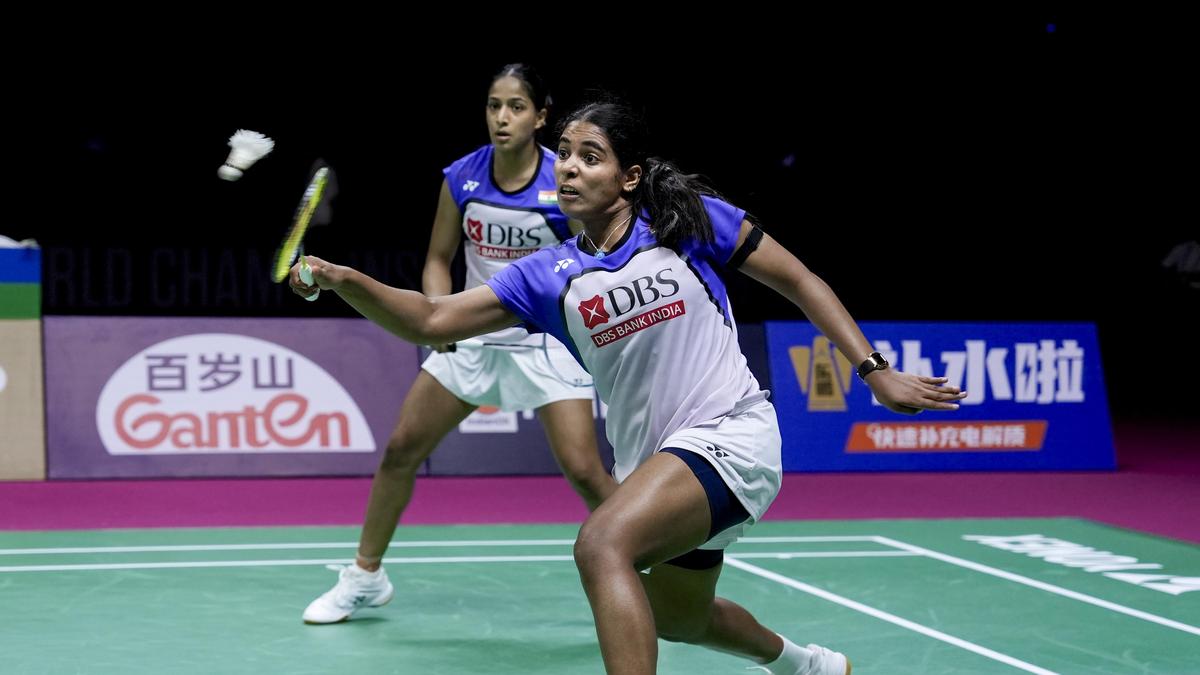
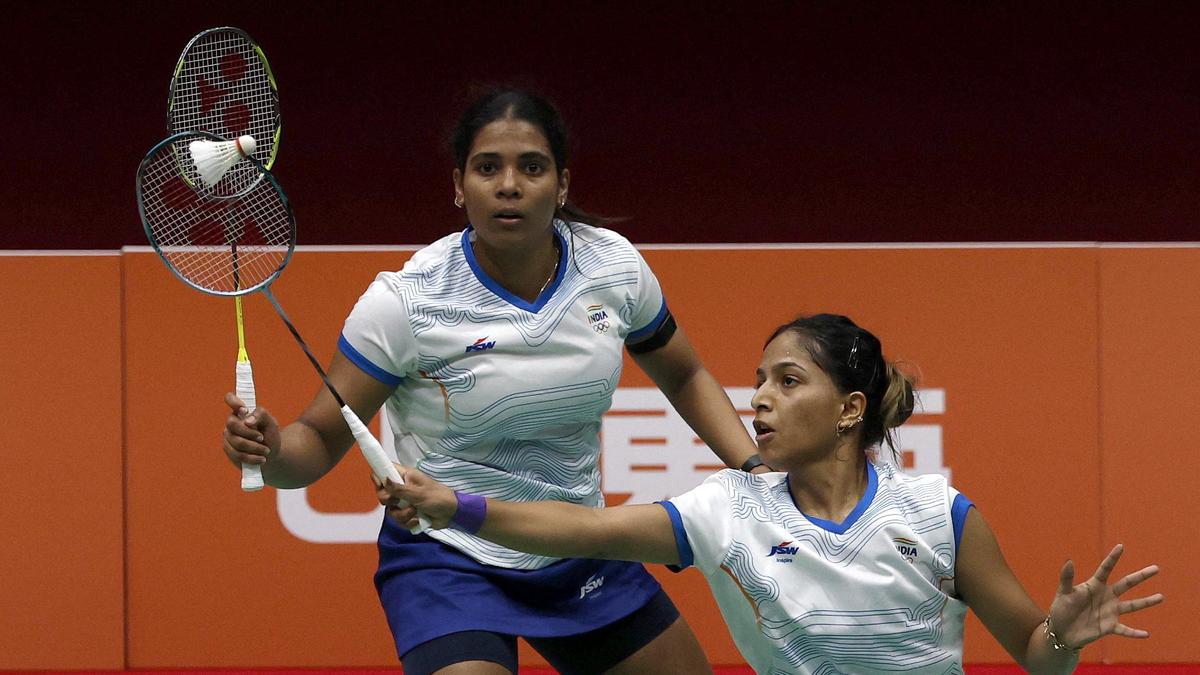
India’s Treesa Jolly and Gayatri Gopichand bowed out of the Japan Masters Super 500 after losing to home favourites Rin Iwanaga and Kie Nakanishi in the women’s doubles round of 16 on Thursday. The Indian pair, bronze medallists at the World Championships, went down 21-14, 21-14 in a 37-minute match, ending their campaign at the badminton tournament.
The scoreline reflected the challenge posed by the third-seeded Japanese duo, particularly in the closing stages of both games. Treesa and Gayatri showed resilience, especially in the second game, but could not sustain their momentum against opponents who capitalised on key stretches of play and the support of the home crowd.
Japanese pair take control in the opening game
Iwanaga and Nakanishi set the pace early, using sharp movement and quick exchanges to put the Indian pair under pressure. The Japanese team built a run of six consecutive points, creating a gap that Treesa and Gayatri struggled to close. Although the Indians continued to compete through the game, the third seeds maintained their advantage and secured it 21-14.
In women’s doubles, a sustained run of points can quickly change the shape of a game. The opening-game burst gave Iwanaga and Nakanishi both a comfortable lead and control of the rallies, allowing them to dictate the tempo rather than respond to the Indians’ attacking efforts.
Treesa and Gayatri fight back before late Japanese surge
The second game began with a different pattern. Treesa and Gayatri came out aggressively, stringing together four points to move ahead 5-1. Their early lead suggested they had found a way to disrupt the Japanese pair’s rhythm, and the contest became much tighter as the game progressed.
The teams were level at 14-14, leaving the match finely balanced. However, Iwanaga and Nakanishi raised their level at the decisive moment, winning seven straight points to close out the game and the match. That late run denied the Indians an opportunity to force a decider, despite their improved start and determined effort.
The result ended a tournament in which Treesa and Gayatri had shown their ability to compete against international opposition. The pair entered the round of 16 after a convincing first-round victory, but the Japanese combination proved difficult to contain once the match reached its critical stages.
Indians had opened with a straight-games win
Before facing Iwanaga and Nakanishi, Treesa and Gayatri defeated Japan’s Hinata Suzuki and Nao Yamakita in the round of 32. The Indians won 21-17, 21-14 in 42 minutes, advancing with a composed performance across both games.
That opening victory provided a positive start to their Japan Masters campaign. Their subsequent defeat was a reminder of the fine margins in Super 500 badminton, where a strong spell from an opponent can quickly overturn a promising position. For the Indian pair, the second-game start and the level score at 14-14 offer encouraging signs, even as the final seven points highlighted the need to finish more consistently under pressure.
Hariharan Amsakarunan and M. R. Arjun also eliminated
India’s men’s doubles campaign also ended in the round of 16, with Hariharan Amsakarunan and M. R. Arjun losing to Japan’s Takuro Hoki and Yugo Kobayashi. The world No. 10 pair won 21-14, 21-14 in 34 minutes, extending its head-to-head advantage over the Indians to 2-0.
Hoki and Kobayashi, former world champions, brought experience and consistency to the encounter. They controlled the match across both games, preventing Hariharan and Arjun from building sustained pressure. As with the women’s doubles match, the repeated 21-14 scoreline underlined how difficult it was for the Indian pair to turn competitive passages into a lasting advantage.
The Indian men had reached the last 16 after a dramatic previous match against Malaysia’s Aaron Chia and Soh Wooi Yik. The Malaysian pair was forced to retire, allowing Hariharan and Arjun to advance. Their next assignment, however, was another meeting with elite opposition: Hoki and Kobayashi were the second former world champions the Indians had faced in consecutive matches.
Japan Masters offers valuable experience for Indian doubles teams
Both Indian pairs therefore leave the Japan Masters Super 500 at the same stage, but their matches provided useful experience against highly ranked and accomplished opponents. Treesa and Gayatri showed they could challenge the home favourites in the second game, while Hariharan and Arjun gained another test against a seasoned men’s doubles partnership.
For badminton followers, the results also highlight the depth of Japan’s doubles field. Iwanaga and Nakanishi used their home-court familiarity and late-match composure to progress, while Hoki and Kobayashi demonstrated why their world ranking and championship record make them a formidable draw. With both Indian partnerships now out of the event, attention will turn to their next tournaments and the adjustments they can make from these high-level contests.
Across the two round-of-16 matches, the decisive factor was not simply the ability to produce good rallies, but the capacity to maintain control during momentum swings. Treesa and Gayatri briefly seized initiative in the second game, and Hariharan and Arjun faced a fast, disciplined Japanese pair. In a demanding Super 500 badminton competition, converting those moments into sustained pressure remains essential—and will be a key focus for the Indian doubles teams going forward.