
Joshua Kimmich Returns for Bayern Munich After His Father’s Death
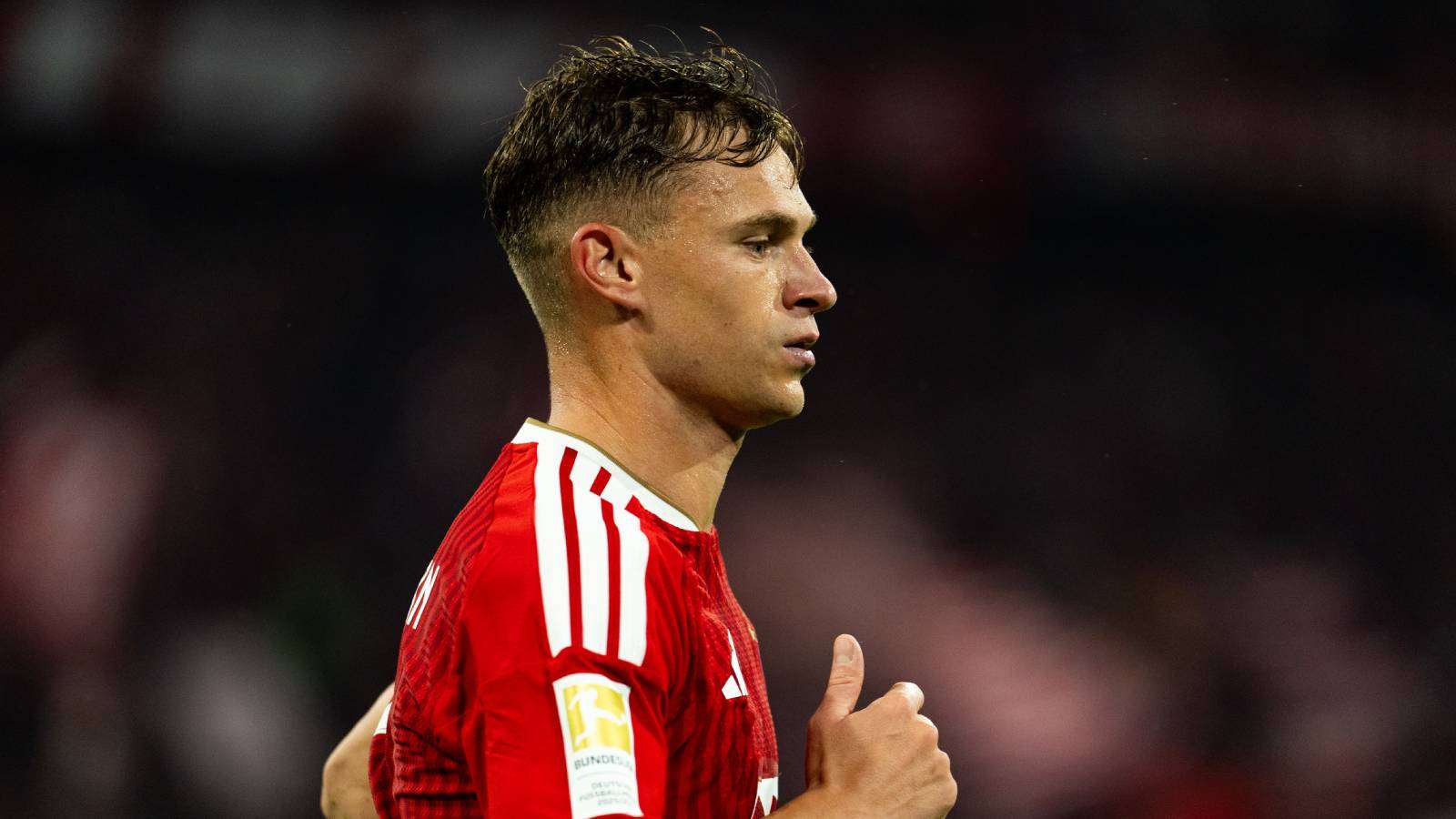
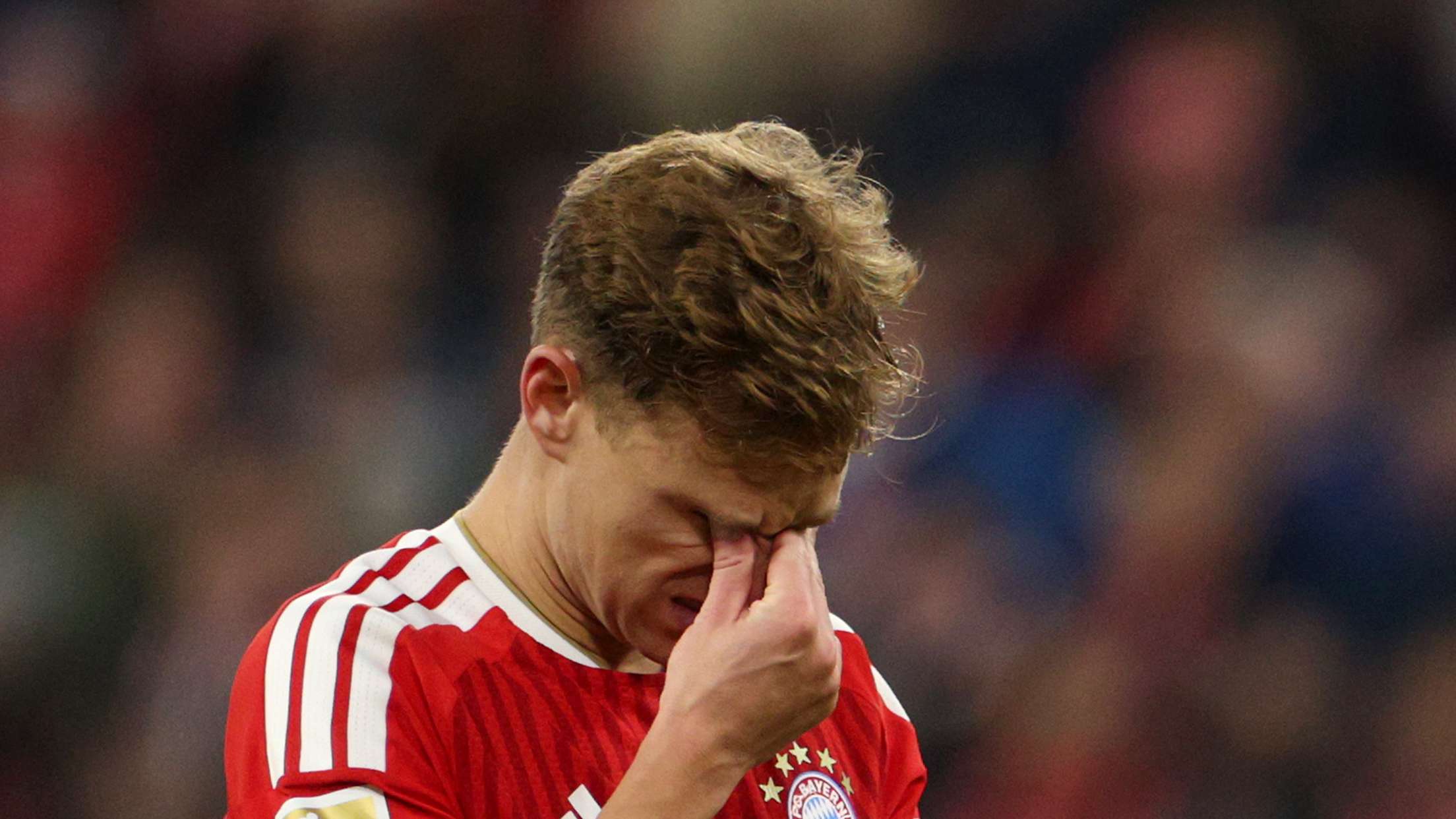
Joshua Kimmich’s return to the football pitch in Bayern Munich’s 2-2 draw with Borussia Dortmund carried significance far beyond the result. The midfielder had missed three official matches following the death of his father, and the German Klassiker marked his first appearance since a deeply difficult period for him and his family.
Speaking to Sky after the match, the 31-year-old described the week as “extremely difficult” and said he was glad to be back playing. He acknowledged that the experience had not been easy, but explained that taking part in the game offered a brief respite from the grief.
“At least you forget about it for a short while during the game,” Kimmich said. Asked whether returning to football could help him cope, he answered simply: “Yes, definitely.”
A Personal Return Beyond the Match Result
The draw with Dortmund was an intense contest, but Kimmich’s presence gave the evening a more personal dimension. For supporters following Bayern Munich, his return was a reminder that players face challenges away from the spotlight as well as pressure on the pitch. His comments offered a rare, candid glimpse into how football can provide routine and focus during a period of loss.
Kimmich also spoke warmly about the support he received from Bayern and the German Football Association (DFB). He thanked both organisations for their compassion, noting that representatives of the DFB attended his father’s funeral. Their presence, he said, meant a great deal to him and his family.
“This shows me that I am in exactly the right place here,” Kimmich added. The remark carried particular weight given his earlier public criticism of the club’s response during a difficult chapter in his relationship with Bayern.
Why Kimmich’s Praise for Bayern Matters
In a 2024 ZDF documentary, Kimmich spoke about feeling abandoned by Bayern Munich during the controversy surrounding the COVID-19 vaccination debate. Against that background, his recent appreciation of the club’s support suggests a meaningful change in how he views the relationship—or, at the very least, highlights the importance of the club’s response during this personal crisis.
For Bayern, the episode also underlines the role clubs can play beyond team selection and results. Practical support, privacy and understanding can matter greatly when a player is dealing with bereavement. Kimmich’s words made clear that he noticed the care shown to him and his family, and that it strengthened his sense of belonging.
Injuries Add to Bayern Munich’s Concerns
After discussing his return, Kimmich turned to Bayern’s sporting situation. The club has been dealing with a growing list of injuries, and the midfielder’s comments reflected the concern shared by players and supporters as a demanding schedule continues.
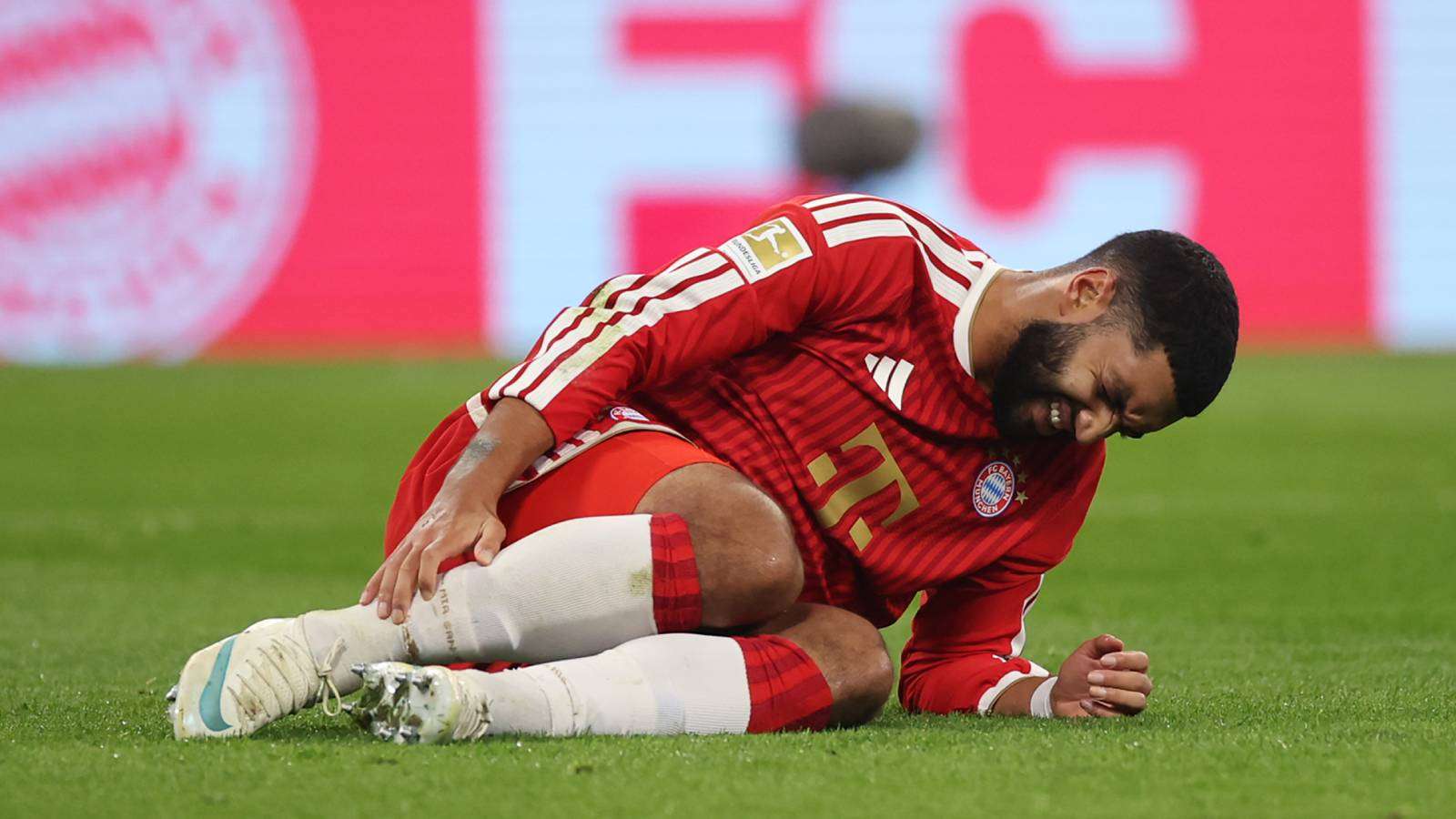
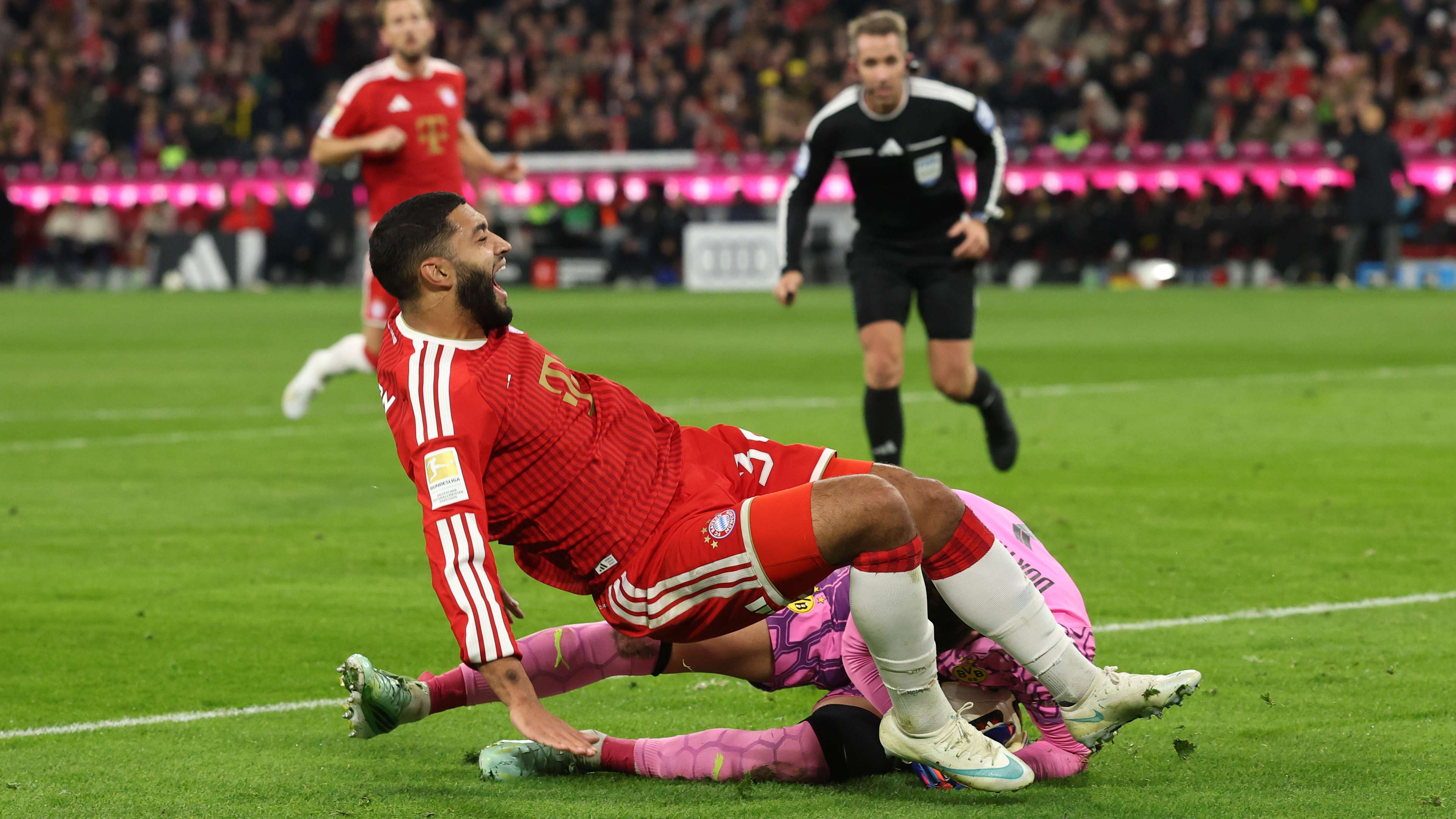
“When you see our injuries today, you realise that the most important thing in the end is staying healthy,” he said. It was a straightforward observation, but one with particular relevance for a side balancing domestic competition with European fixtures. Missing several players can affect tactical choices, rotation and the workload placed on those who remain available.
Kimmich’s return therefore offered Bayern more than an experienced midfielder back in the squad. His availability can help restore balance and leadership, although the club will need to manage his workload carefully after his absence. The priority will be to reintegrate him without adding unnecessary physical strain during a congested stretch of the season.
What Kimmich’s Return Could Mean for Bayern
Any football prediction about Bayern’s next performances must account for several factors: the fitness of key players, the depth of the squad and the team’s ability to maintain consistency across competitions. Kimmich’s return is an encouraging development, but one appearance does not erase the wider injury concerns or guarantee an immediate improvement in results.
His influence, however, extends beyond statistics. Kimmich is known for his work rate, tactical awareness and ability to organise play from midfield. If he can return to full fitness, those qualities could prove valuable as Bayern navigate upcoming matches. His experience may also help younger teammates cope with the pressure of a title challenge and the demands of European football.
For now, the most important aspect of his comeback may be personal rather than tactical. Kimmich has spoken openly about a painful loss, expressed gratitude for the support around him and returned to an environment where he feels valued. The 2-2 draw with Dortmund will be remembered for its football, but his appearance gave the match a human story that the scoreline alone could not capture.
A Moment of Support and Perspective
Kimmich’s comments also offered a reminder that results, injuries and predictions are only part of the football conversation. Behind every match are people managing pressures that cannot be measured in goals or points. His return was a significant step, and his appreciation of Bayern Munich and the DFB showed how much solidarity can matter during a difficult time.
As Bayern look ahead, supporters will hope Kimmich can regain rhythm and help the team through a demanding run of fixtures. But his own words suggest that simply being back on the pitch already represents something important: a chance to focus, reconnect with the game and move forward one match at a time.