
Jürgen Klopp recalls Niclas Füllkrug to Germany squad after Bremen scoring surge
Niclas Füllkrug’s return to the Germany squad has been one of the most closely watched decisions in Jürgen Klopp’s latest selection. The Werder Bremen striker has responded to renewed attention with a remarkable run of goals, and Klopp says the call-up was an easy choice on footballing grounds—even after a public exchange that briefly turned the striker’s age into a talking point.
Füllkrug has scored 12 goals in 10 competitive matches since returning to Bremen, making him the leading German scorer across Europe’s five major leagues during that spell. His form has strengthened calls for a national-team recall and given Klopp a proven centre-forward option ahead of Germany’s upcoming fixtures.
Klopp explains his earlier Füllkrug remark
The debate intensified after Klopp said during a half-time interview at the Champions League match between Bayern Munich and Arsenal: “Niclas Füllkrug is 33. That’s not my fault!” The comment attracted widespread attention, particularly as supporters were asking why the striker had not been brought back into the squad sooner. Füllkrug, for his part, said he wanted the discussion to die down.
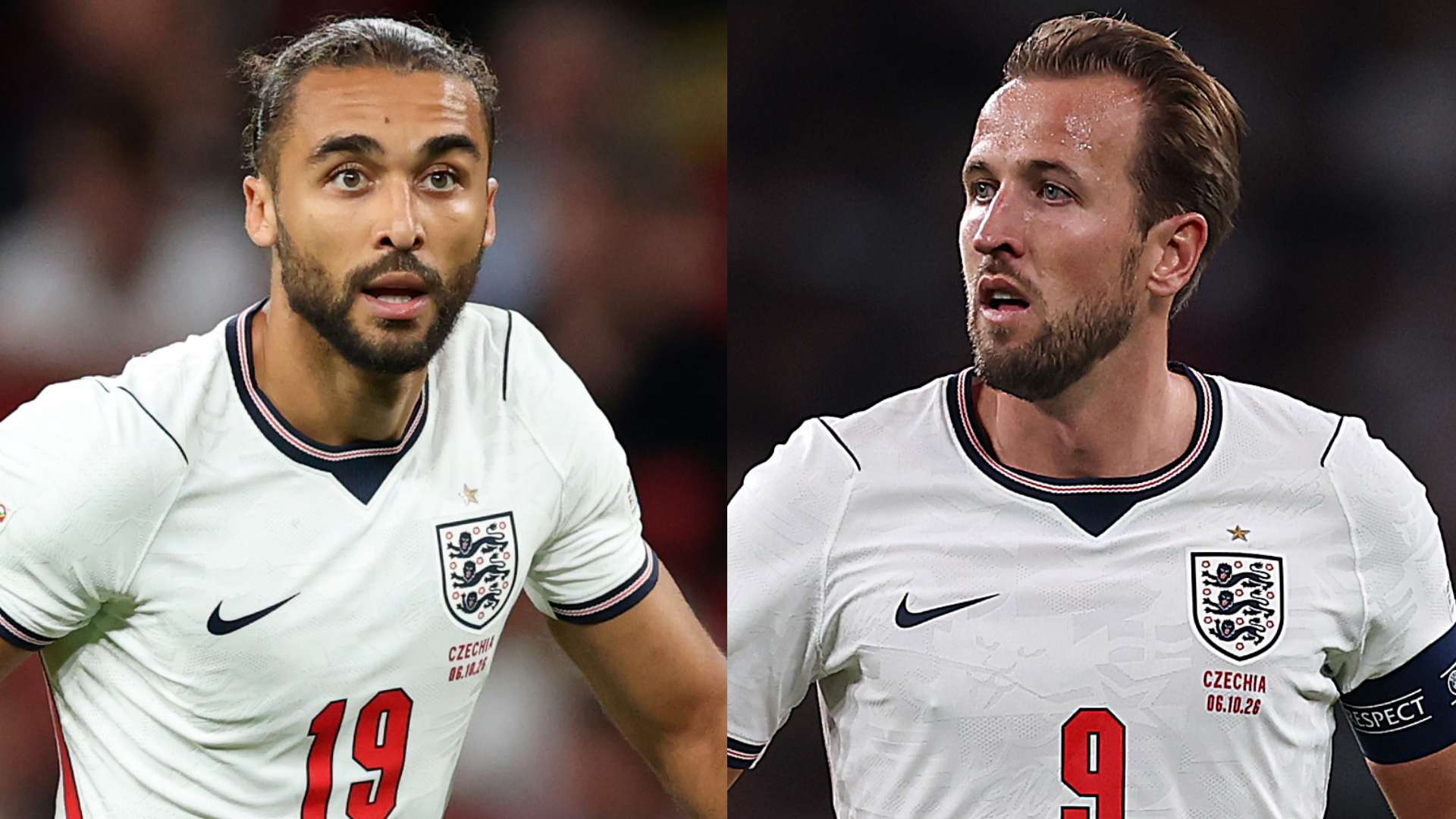
At the announcement of his squad for Germany’s second training camp under his leadership, Klopp reflected on his recent television appearances with a smile. “I’m not entirely happy with everything I’ve said in half-time interviews,” he said on DFB.TV. He did not appear to be retracting the age-related remark, however. Instead, he was likely referring to separate comments about Harry Kane and Vincent Kompany’s approach at Bayern—remarks that drew criticism from people who felt he sounded more like a broadcaster than a national-team coach.
Klopp had worked as a pundit for Magenta as recently as the 2026 World Cup, and his media experience has made his on-air comments a natural focus. Still, he maintained that what he said about Füllkrug was factual rather than dismissive. He also revealed that the two had spoken privately before the squad announcement.
“Then he was on Sportstudio and I thought: Now we’ve talked so much about each other, we can talk to each other for a change,” Klopp explained. The conversation was their first, he said, but felt comfortable from the outset—as if they had known one another for much longer.
Why Füllkrug fits Klopp’s Germany plans
Klopp’s case for selecting the Bremen forward goes beyond his recent goal tally. He highlighted Füllkrug’s ability to influence a match through his presence, work rate and contribution to the team’s overall play, not simply through finishing chances.
“He has an incredible influence on the game. Not just through his goals, but also the way he carries himself,” Klopp said. He added that Füllkrug appears able to exert that influence particularly well at Bremen, where the striker feels at home and has become an important figure in the team.
That point may matter to Germany as much as the goals. A national side has limited time to build combinations, especially during short training camps. A forward who can occupy defenders, compete for aerial balls, link play and bring teammates into attacks can provide a useful alternative when a match becomes tight. Füllkrug’s experience also gives Klopp another option for changing the rhythm of a game from the bench or starting with a more traditional centre-forward.
Klopp said the coaching staff want players to feel trusted, even though the squad does not spend much time together. In Füllkrug’s case, confidence and a settled role appear to have helped turn strong club performances into a compelling international selection case.
“If the European Championship were tomorrow, which it isn’t, we would of course take him,” Klopp said. “From that perspective, the decision to select him was relatively easy.” His comments offer a clear indication that current form, rather than past debate, ultimately shaped the decision.
Füllkrug’s Germany record and time away
Füllkrug made his Germany debut under Hansi Flick almost exactly four years ago. He has since earned 24 caps and scored 14 goals, an impressive return for a player whose international career has included periods in and out of the squad.
His most recent appearances came at the Nations League finals in summer 2025, and he was last selected in September of that year. His latest recall therefore marks a significant return after more than a year away from the national setup. The timing is notable: he comes back not simply as an experienced option, but as a striker in outstanding scoring form.
The forward credited his Bremen teammates after learning of the selection. “I’m delighted to have been selected. I’ve benefited from our team’s good performances and also see it as wonderful recognition for our entire team,” he said in a statement published on the club’s website. The response reflects the collective platform that has helped him regain momentum.
New faces and competition in attack
Füllkrug is not the only story in Klopp’s attacking selection. Kai Havertz of Arsenal and Younes Ebnoutalib are also among the forward options, while Borussia Mönchengladbach youngster Wael Mohya has received his first call-up. His inclusion gives the training camp a fresh prospect to assess alongside more established internationals.
Jonathan Burkardt, now at Eintracht Frankfurt, and Nick Woltemade of Juventus have missed out this time. Their absence underlines the competition for places and makes Füllkrug’s return particularly significant: his goals have given Klopp a strong, immediate argument for choosing him, while the wider squad still offers different profiles in attack.
For Germany, the next test will be whether Füllkrug can carry his Bremen confidence into international football. A goalscorer’s club form does not guarantee the same output for the national team, where opponents, service and tactical demands can differ. But Klopp’s prediction is clear: if Füllkrug continues to influence matches as he has at Bremen, he can be an important part of Germany’s plans.
The recall also brings the public conversation full circle. Klopp’s earlier words may have fuelled speculation, but his explanation now centres on performance, character and fit. With 12 goals in 10 competitive appearances, Füllkrug has made his case on the pitch—and earned another opportunity to show what he can offer Germany.