
Korea Open 2026: Indian Players Prepare for Super 500 Challenge in South Korea
The Korea Open 2026 is set to bring a week of high-level badminton to Jinnam Stadium from November 3 to 8. The USD 500,000 BWF Super 500 tournament will feature leading players from across the world, with several Indian shuttlers aiming to make an impact in singles, doubles and mixed doubles.
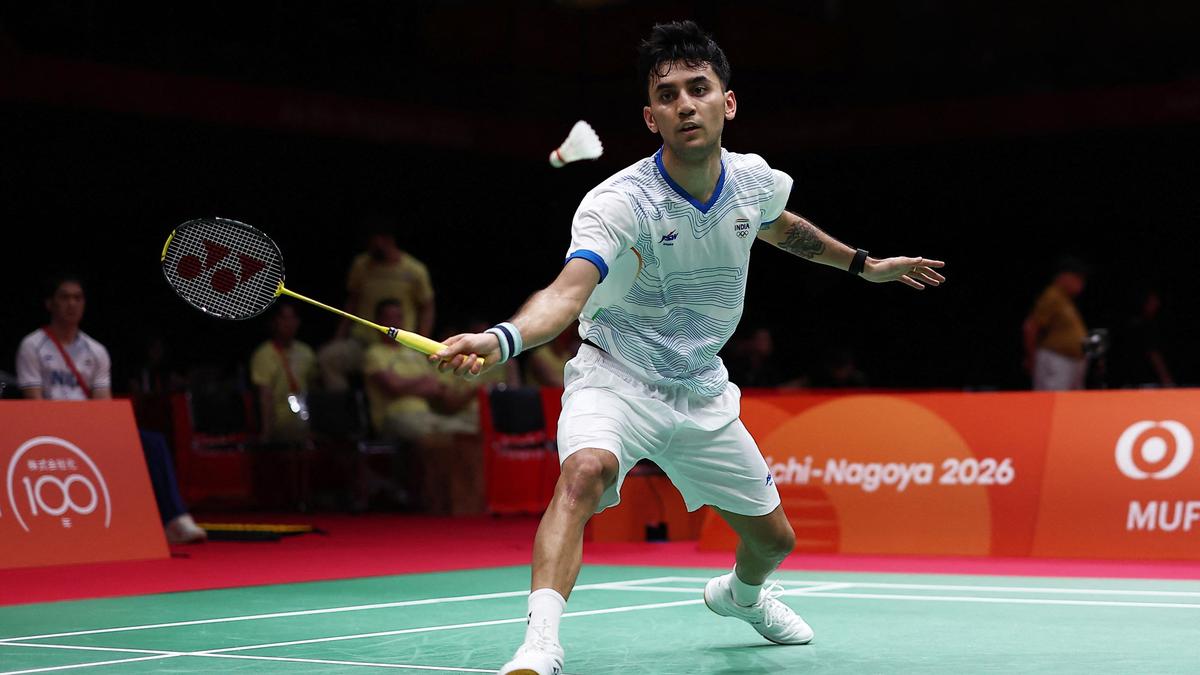
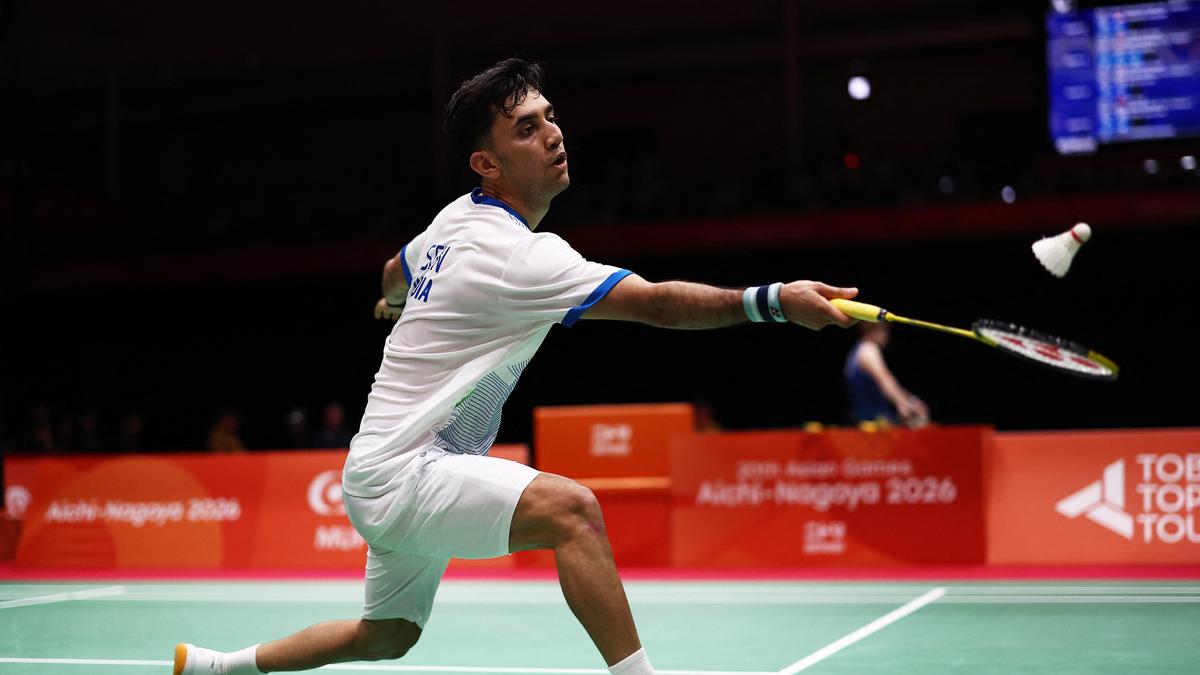
India’s campaign will begin amid a changing field. Lakshya Sen, listed as the fifth seed, has withdrawn after winning the Hylo Open in Germany, while Malvika Bansod is also out of the tournament. Their absences create opportunities for other Indian players to progress, although the draws may change if further withdrawals are announced.
Prannoy Leads India’s Men’s Singles Challenge
With Sen no longer in the draw, experienced Indian shuttler H. S. Prannoy will lead the country’s men’s singles challenge. He is scheduled to face South Korea’s Yoo Tae Bin in the opening round. The matchup will put Prannoy up against a home player, adding an extra test in front of the Korean crowd.
Prannoy’s experience could prove valuable in a tournament where the pace and precision of the Super 500 field leave little room for slow starts. A strong first-round performance would help him build momentum and give India a prominent presence in the men’s singles draw. The withdrawal of Sen also reshapes the section of the bracket, potentially opening a different route through the early rounds for the remaining competitors.
Sen’s decision to step away follows a title-winning appearance at the Hylo Open. After a demanding run, managing workload and recovery can be an important part of a player’s season, particularly when tournaments are closely scheduled. His absence will be felt, but it also places the spotlight on Prannoy and the other Indian entries.
Tanvi Sharma and Anmol Kharb in Women’s Singles
India will have two women’s singles players in the tournament. Tanvi Sharma is drawn against Japan’s Manami Suizu, while Anmol Kharb will meet Canada’s Rachel Chan. Both opening matches offer the Indian players a chance to establish themselves early in a competitive draw.
Kharb arrives with encouraging form after reaching the semifinals at the Hylo Open. That result gives her a confidence boost and valuable experience against international opposition. Her next challenge will be to carry that sharpness into the Korea Open, where maintaining consistency across rallies and managing pressure points will be essential.
Sharma’s match against Suizu will be another test of adaptability. Japanese players are often known for their movement and ability to sustain long exchanges, making patience and smart shot selection important. A composed start could help Sharma settle into the contest and make the most of her opportunities.
World No. 1 An Se-young is the headline name in the women’s singles field. Competing on home soil, the Korean star will attract considerable attention and is expected to be among the leading contenders. Her presence raises the standard of the draw and gives other players a clear benchmark as they look to challenge the tournament favourite.
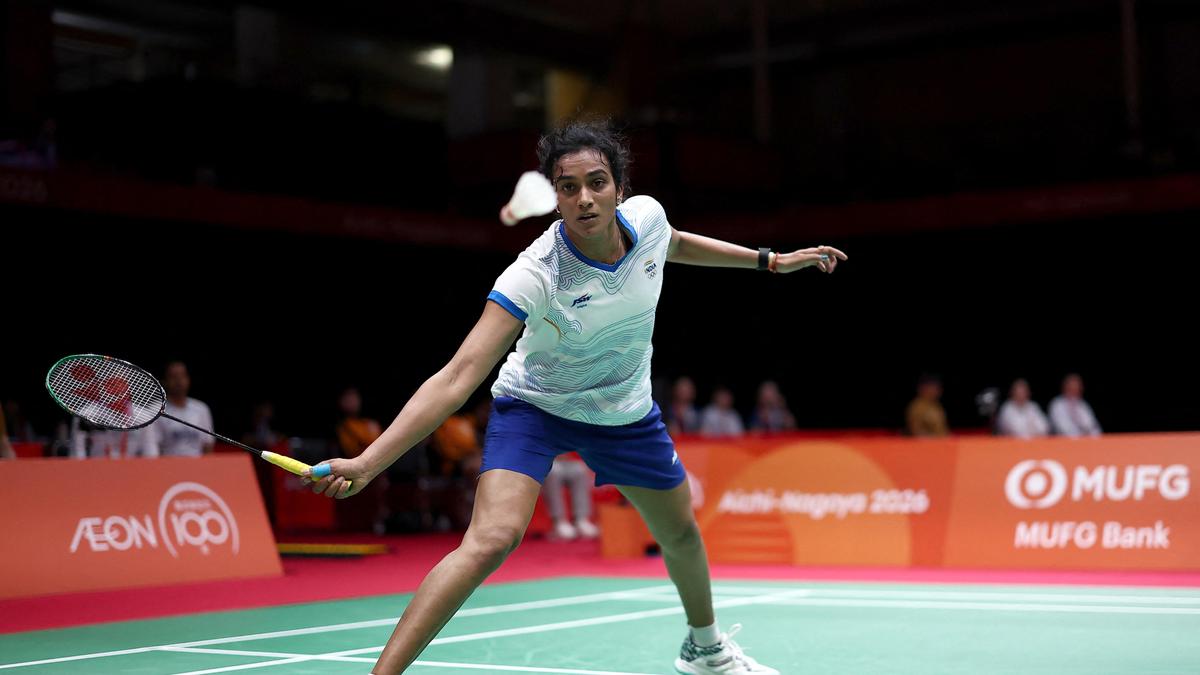
India’s P. V. Sindhu, who won the Hylo Open, had already opted out of both the Korea Open and the Japan Masters. Alongside Bansod’s withdrawal, her absence means the Indian women’s singles contingent will be smaller than it might otherwise have been. Even so, Sharma and Kharb have an opportunity to gain valuable experience and pursue a deep run.
Indian Doubles Entries to Watch
India will also be represented in the doubles events. In men’s doubles, Arjun Reddy Pochana and Achutaditya Rao Doddavarapu are listed in qualifying. Reaching the main draw will be their immediate objective, and the qualifying rounds can provide a demanding test of communication, court coverage and quick decision-making.
In women’s doubles, Ritika Thaker and Sonali Singh are scheduled to face Laudya Griselda and Nozomi Shimizu of Australia. The Indian pair will look to build rhythm from the opening exchanges and make effective use of attacking opportunities. Doubles matches can turn quickly, so serve returns, coordination at the net and disciplined positioning are likely to be central to the contest.
India’s mixed doubles entry is Dhruv Rawat and Maneesha K, who are drawn against China’s seventh-seeded pair, Zhu Yi Jun and Li Qian. The seeded Chinese combination presents a challenging first-round assignment. Rawat and Maneesha will need to combine strong defence with decisive attacking play, while keeping their service game under control against an experienced opponent.
What to Expect at the Korea Open
The Korea Open’s Super 500 status makes it an important stop on the international badminton calendar. The tournament offers players a chance to earn ranking points, test their form against top-level opposition and build momentum for the events that follow. For Indian players, it is also an opportunity to convert recent progress into results on a different court and against a varied international field.
Home support could be a significant factor, particularly for Korean contenders such as An Se-young and Prannoy’s opponent, Yoo Tae Bin. At the same time, the tournament’s international depth means that every round is likely to demand focus. Players who adapt quickly to conditions, control unforced errors and recover well between matches may have the best chance of advancing.
With Sen, Sindhu and Bansod among the notable Indian withdrawals, attention will centre on Prannoy, Sharma, Kharb and the country’s doubles combinations. The published draws remain provisional and may be revised if additional players withdraw. Fans should therefore check official tournament updates for the latest matchups and schedules as the Korea Open approaches.