
Lakshya Sen rallies past Kalle Koljonen to reach Hylo Open semifinals
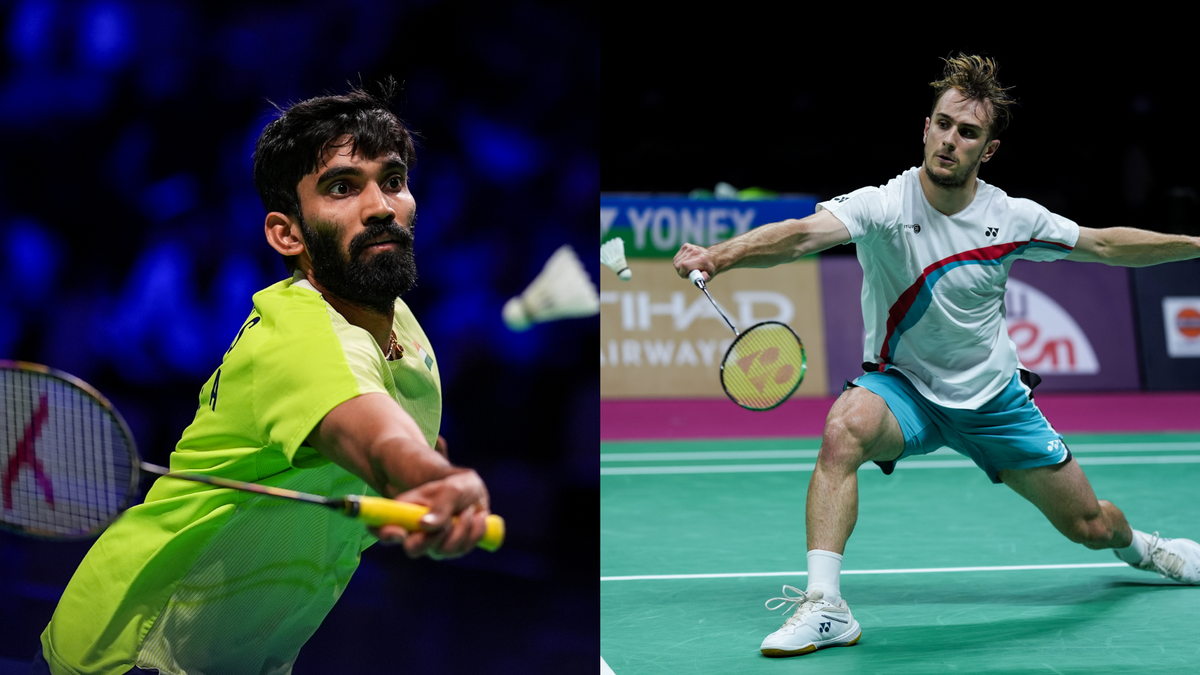
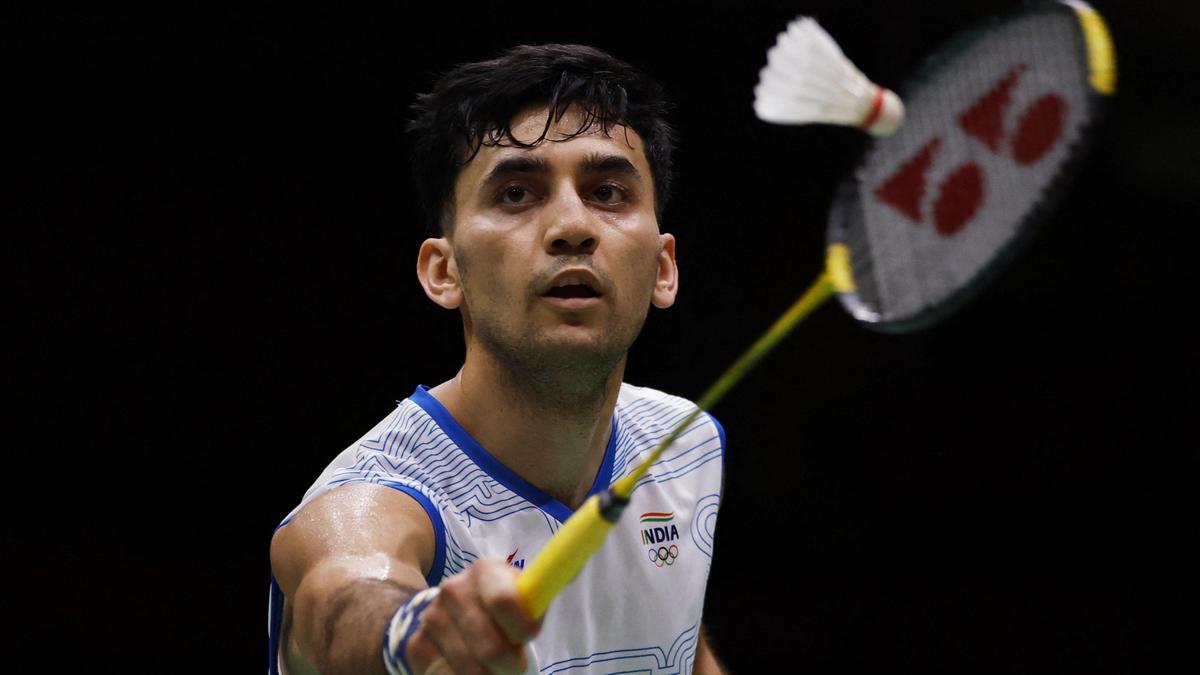
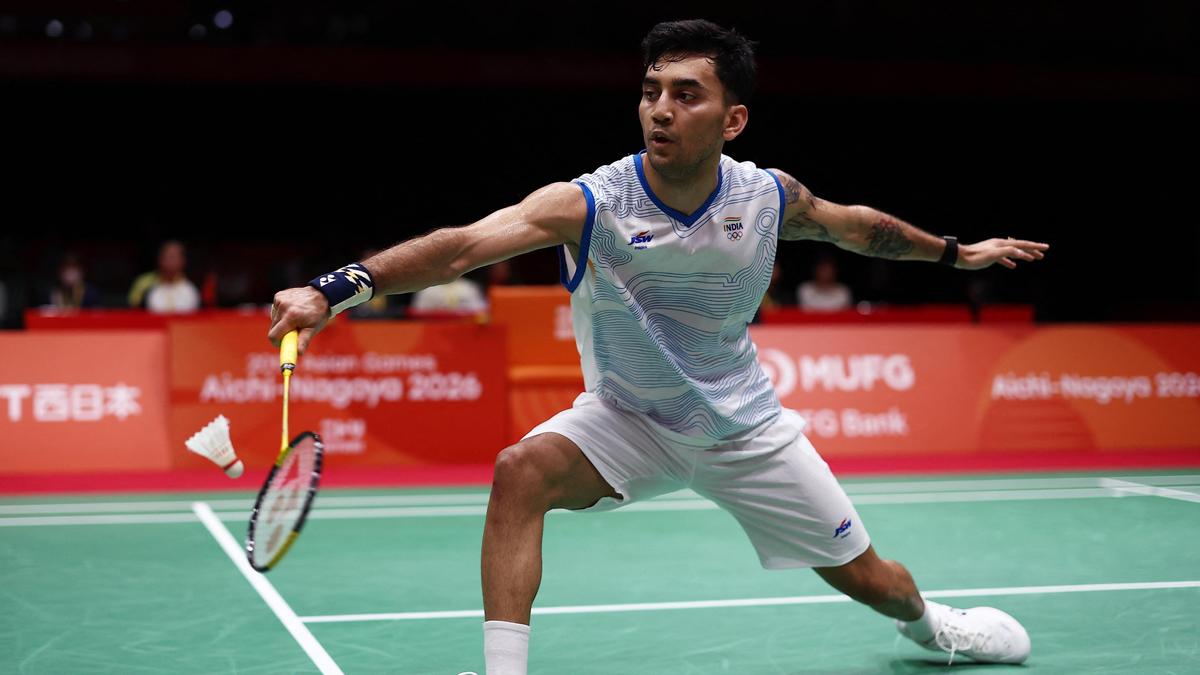
India’s Lakshya Sen recovered from a slow start to defeat Finland’s Kalle Koljonen in three games and book his place in the semifinals of the Hylo Open in Saarbrücken, Germany. The seventh-seeded badminton player won the BWF World Tour Super 500 quarterfinal 14-21, 21-17, 21-13 on Friday, turning the match around with sharper control of the rallies and more assertive play at the net.
Sen’s victory was built on patience as much as pace. After struggling to contain Koljonen’s attacking game in the opening game, the Indian adjusted his length, varied his shots and began taking the shuttle earlier. Those changes helped him wrest control of the match and put pressure on his opponent in the deciding game.
Koljonen sets the pace in the opening game
World No. 67 Koljonen started with confidence, using deep clears to push Sen towards the back corners and sharp cross-court angles to stretch him from side to side. By controlling the pace from the centre of the court, the 32-year-old made it difficult for Sen to attack on his own terms.
Sen worked hard to stay in the rallies, retrieving tight drops with quick footwork and covering the court under pressure. But Koljonen’s depth repeatedly forced him into hurried defensive lifts. Those short or predictable returns gave the Finn opportunities to attack, and he took the first game 21-14.
For Sen, the early challenge was not simply to defend more effectively. He needed to avoid giving Koljonen easy chances to finish points, while extending rallies long enough to disrupt the Finn’s rhythm. The Indian’s response in the second game showed how quickly the balance of a badminton match can shift when a player makes the right tactical adjustments.
Sen changes the rhythm to level the match
Sen began to use his own clears more purposefully, sending the shuttle deep and tight into the back corners rather than allowing Koljonen to dictate from the middle. He also varied the pace with sudden half-smash drives, forcing the Finn to keep moving and making it harder for him to settle into an attacking pattern.
The change was reflected in the second-game score. Sen led 11-7 at the mid-game interval and maintained his pressure after the break. When Koljonen produced a short or floating lift, Sen moved forward quickly to take the shuttle on the rise, reducing his opponent’s reaction time and limiting the opportunity for a counter-attack.
Sen also made better use of placement, combining penetrating clears with crisp cross-court shots to open gaps in Koljonen’s defence. Instead of rushing to end every rally, he worked to create an opening and then attacked when the opportunity was clear. He closed out the game 21-17 to take the quarterfinal into a decider.
Decisive run seals the semifinal place
The final game remained close at 4-4, but Sen soon found another gear. He controlled the exchanges with deep clears and quicker finishes, keeping Koljonen under pressure and preventing the Finn from taking charge of the rallies. Sen built a five-point advantage by the final change of ends, giving himself a strong platform to close out the match.
Koljonen continued to compete, but Sen’s improved length and court coverage left fewer openings. The Indian stayed composed through the closing stages and won the decider 21-13, completing a comeback after losing the first game by seven points.
The result underlined Sen’s ability to adapt during a match. Koljonen had been effective when he could pin the Indian deep and dictate the tempo, but Sen’s improved shot selection changed the shape of the contest. By mixing high clears with flatter attacking strokes, he made Koljonen cover more ground and reduced the Finn’s control of the centre.
Areas to sharpen before the next challenge
Although Sen’s comeback was impressive, the match also offered areas for improvement. Under heavy pressure, he rushed several cross-court lifts, giving Koljonen chances to attack. Flatter defensive blocks could also help Sen prevent opponents from launching immediate counters after he has absorbed a smash.
Those details may matter even more in the semifinal, where Sen will face French World No. 13 Toma Junior Popov. Popov presents another demanding test, and Sen will need to carry forward the discipline he showed after the opening game while limiting loose defensive returns.
For badminton fans, the quarterfinal was a reminder that momentum is rarely fixed after one game. Sen was outplayed early, but his willingness to change the rally pattern—rather than simply hit harder—helped him take charge. His deep clears, early interceptions and improved placement turned a difficult match into a convincing finish.
With the Hylo Open semifinal now in sight, Sen will look to build on that second- and third-game performance. A place in the final is within reach, but the next step will demand the same combination of tactical awareness, movement and composure that powered his comeback against Koljonen.