
Ivan Ilić Injury Update: Lecce Midfielder Faces Further Assessment After Bologna Match
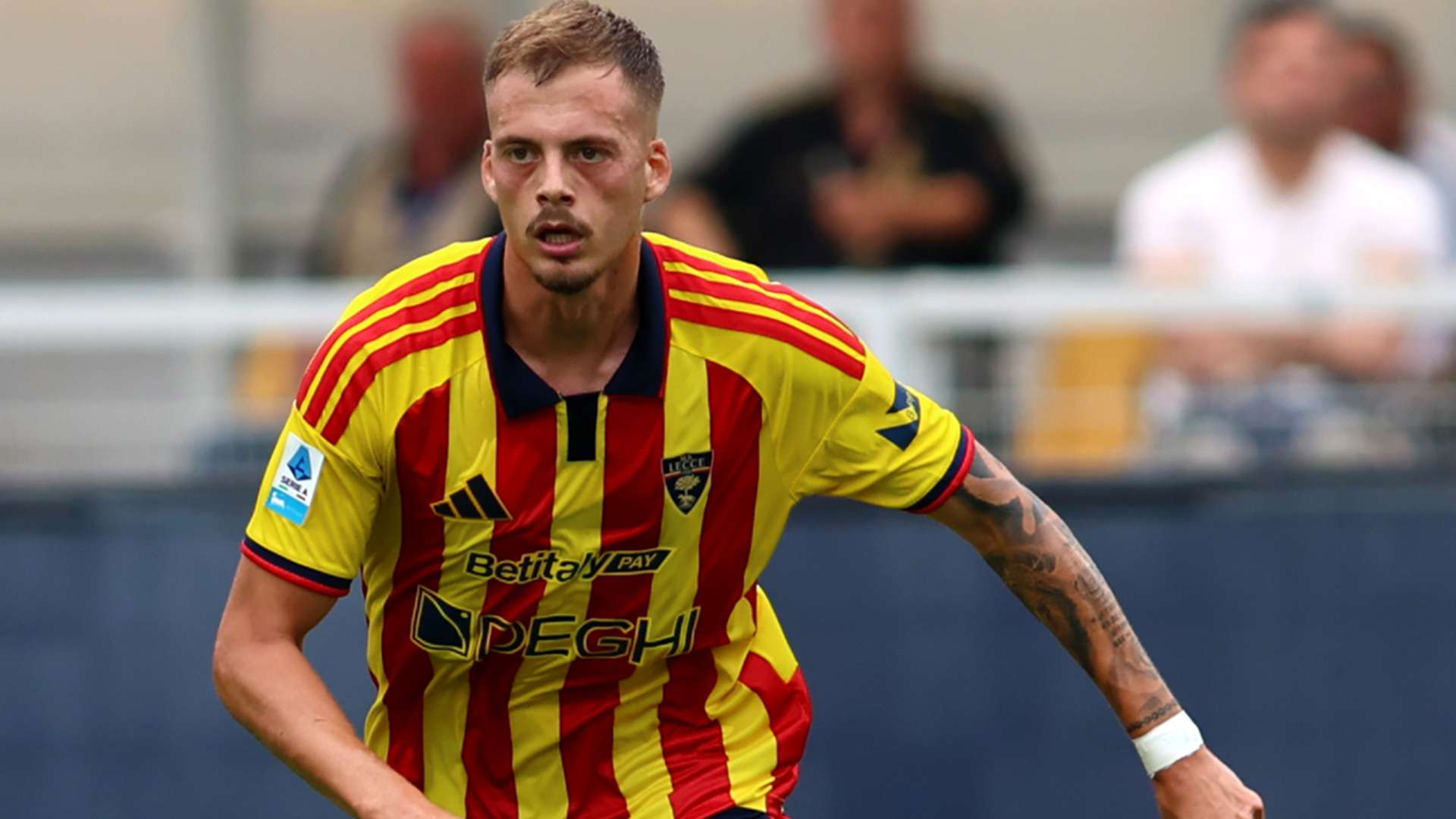
Lecce have confirmed that midfielder Ivan Ilić sustained a myotendinous injury to his left rectus femoris during the club’s match against Bologna. Additional diagnostic tests identified a partial tear of the tendon, giving supporters a clearer picture of the problem that forced concern after the game.
In a statement published on the club’s official website, Lecce said Ilić underwent detailed examinations following the injury. The announcement confirms the nature of the damage, but does not provide a specific return date or outline a full rehabilitation timetable. As a result, the midfielder’s availability for upcoming fixtures remains uncertain while the club assesses his condition.
What Lecce Confirmed About Ilić’s Injury
The club described the injury as a myotendinous injury to the left rectus femoris with a partial tendon tear. The rectus femoris is one of the four muscles that make up the quadriceps at the front of the thigh. It plays an important role in extending the knee and flexing the hip—movements required for sprinting, striking the ball, changing direction and accelerating into space.
A myotendinous injury affects the area where muscle fibres connect with a tendon. Because that junction transfers force between muscle and tendon, damage there can be particularly significant for a footballer. A partial tear means the tendon has been injured but not completely ruptured. The seriousness and recovery period can vary depending on the extent of the tear, the player’s symptoms and how the tissue responds to treatment.
Lecce have not publicly disclosed the precise grade of the injury. Without that information, it would be premature to attach a firm recovery estimate to Ilić’s case. The club’s medical staff will likely monitor his progress through treatment and follow-up assessments before deciding when he can begin more demanding football activities.
Why the Injury Matters for Lecce
Ilić’s absence could present a tactical challenge for Lecce, depending on how long he is unavailable. Midfielders rely on repeated bursts of speed and sharp changes of direction to press opponents, cover passing lanes and support attacks. A thigh injury can therefore affect more than a player’s ability to run in a straight line; it may also limit the explosive movements needed to compete safely at the highest level.
The Serbian midfielder’s role can also influence how Lecce build their play. When fit, a central midfielder may help connect the defence with the forwards, offer a passing option under pressure and contribute to transitions after possession changes hands. If Ilić misses matches, the coaching staff may need to adjust the balance of the midfield or give another player a greater share of those responsibilities.
That does not automatically mean Lecce will change their formation. Coaches can respond to an injury by selecting a like-for-like replacement, altering the team’s pressing approach or asking a different midfielder to take on more creative duties. The best option will depend on the opponents, the available squad and the length of Ilić’s recovery.
Recovery and Return-to-Play Considerations
Muscle and tendon injuries are generally managed in stages. Initial care focuses on reducing discomfort and protecting the affected area. Once symptoms allow, rehabilitation usually progresses towards restoring movement and strength, followed by controlled running and football-specific drills. A player may then need to complete more intense training before being considered for competitive action.
For a midfielder, the final stages are especially important. Training must demonstrate that the player can accelerate, decelerate, turn, tackle and strike the ball without pain or hesitation. Returning too soon can increase the risk of aggravating the original injury, so medical clearance and a gradual increase in workload are central to a safe comeback.
Every recovery is individual. Previous injuries, the precise location of the tear and the player’s response to rehabilitation can all influence the timeline. Lecce’s decision not to announce a return date means supporters should look for updates from the club rather than rely on speculation or generic estimates.
What the Injury Means for Football Predictions
Ilić’s status may also be relevant to fans following Lecce’s fixtures, fantasy football selections and match prediction discussions. A central midfielder’s absence can affect a team’s ability to retain possession, press effectively and move the ball through the middle. Those factors may be worth considering when assessing Lecce’s prospects, particularly against opponents who dominate midfield areas.
However, one injury should not be treated as a complete guide to the outcome of a match. Football predictions also depend on the opponent’s form, home advantage, squad depth, recent performances and the availability of other key players. Until Lecce provide a clearer update, any forecast involving Ilić should account for uncertainty rather than assume either a quick return or a lengthy absence.
Supporters should also watch for news about the midfielder’s involvement in training. A return to individual work would be an encouraging step, but it would not necessarily mean he is ready to play. Full team training and match fitness are separate milestones, and the club may take a cautious approach before restoring him to the starting XI.
What Happens Next
For now, the confirmed information is limited but clear: Ilić injured his left thigh during the match against Bologna, and further testing revealed damage at the muscle-tendon junction, including a partial tear of the tendon. Lecce have not announced how long he will be sidelined or when he might return to action.
The next meaningful update is likely to come as the club monitors his rehabilitation and evaluates his progress. Until then, Lecce will need to plan without certainty over the midfielder’s immediate availability, while fans wait to learn whether the injury will keep him out for a short spell or require a more extended recovery.
Ilić’s fitness will be an important storyline for Lecce in the coming weeks. His return will depend not only on the passage of time but also on whether he can complete each stage of rehabilitation and safely handle the physical demands of competitive football.