
Manchester United Crisis Deepens After Como Defeat as Carrick Accepts Blame
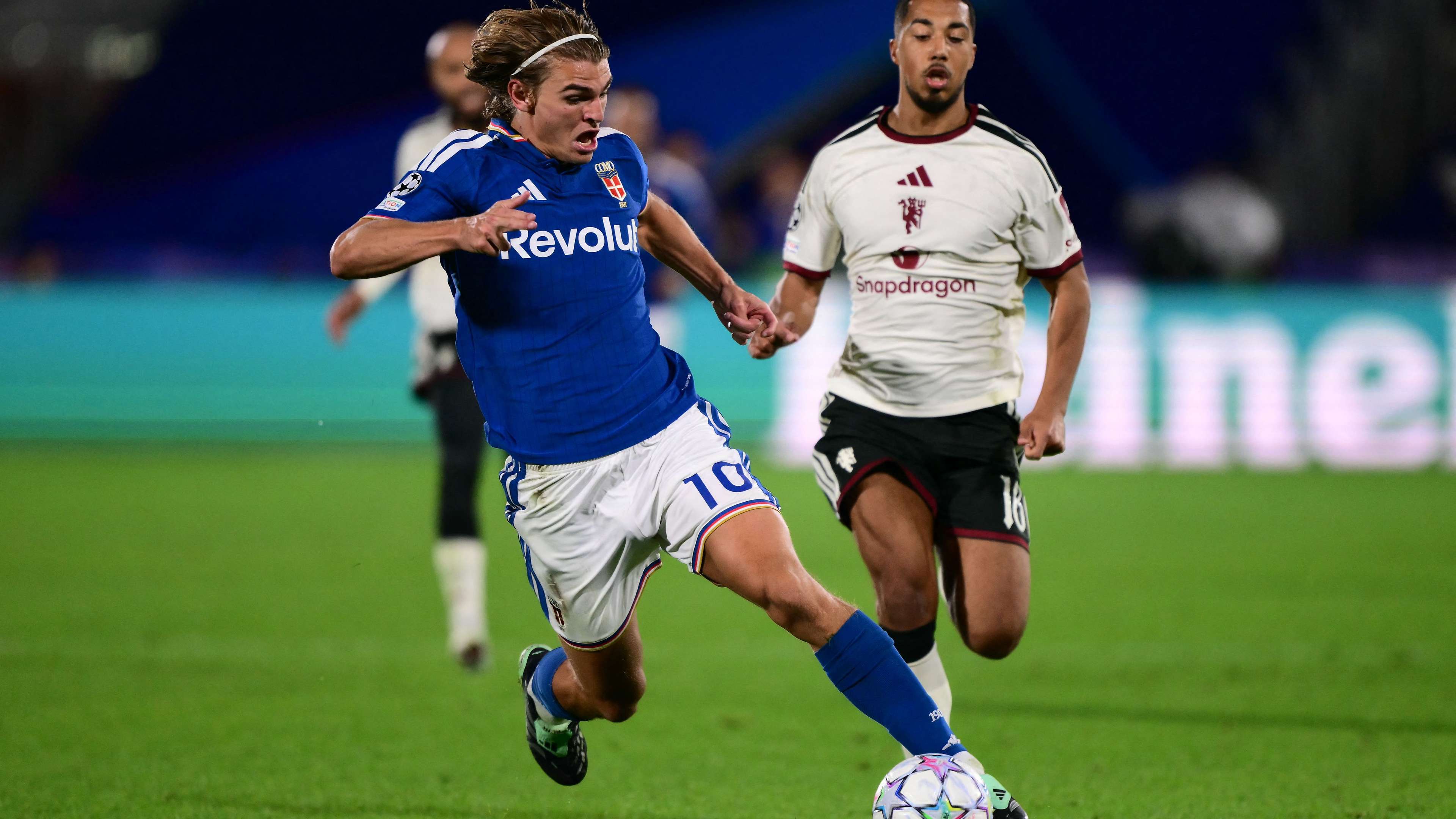
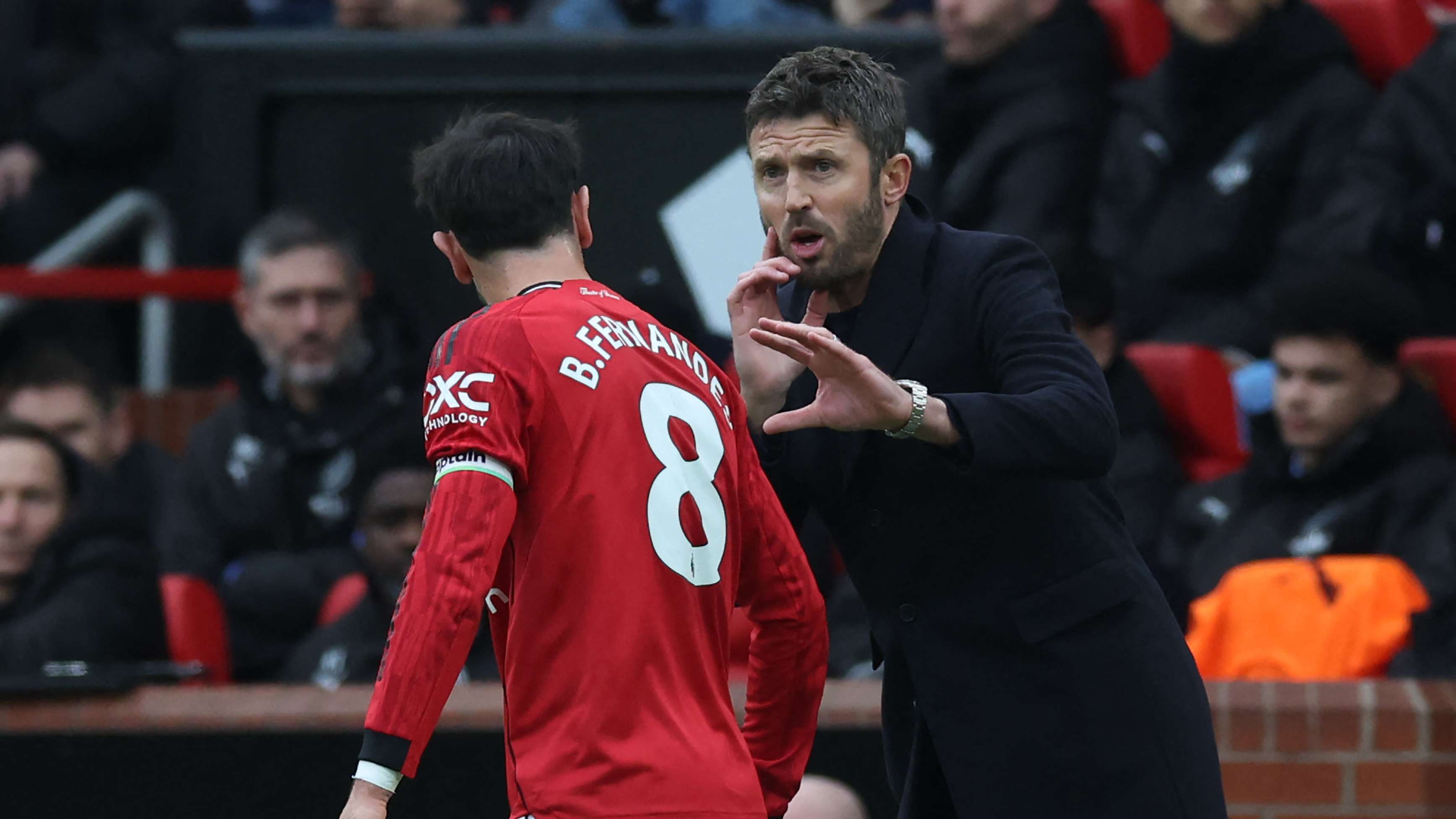
Manchester United’s 4-1 defeat to Como has intensified scrutiny of the club’s form and raised fresh questions about the relationship between the dressing room and the coaching staff. After a damaging night in Italy, manager Michael Carrick accepted full responsibility for the performance, while captain Bruno Fernandes publicly questioned the decisions made by the manager and technical team.
The result was more than a heavy scoreline. It exposed defensive weaknesses, a lack of intensity and visible frustration among United’s players. With the team enduring a seven-match winless run, the defeat has sharpened debate about Carrick’s future, the squad’s mentality and the club’s broader direction.
Bruno Fernandes’ Post-Match Comments Put Carrick Under Pressure
Fernandes did not hide his anger after being substituted in the 67th minute. Speaking after the match, the Portuguese midfielder said the problem belonged to the manager and coaching staff, not to him, and described the mistake as the manager’s responsibility.
Those remarks were striking because Fernandes is not only United’s captain but also one of the team’s most influential figures. His comments suggested that frustration had moved beyond the immediate disappointment of a defeat and into a more serious disagreement over tactics and match management.
Television cameras had already captured signs of his displeasure during the game and as he made his way to the bench. United’s defensive problems were apparent almost from the opening stages, with the team conceding early and struggling to regain control. Fernandes’ public criticism has therefore added another layer to a performance that was troubling both on and off the pitch.
A difficult night for United’s defence
Como’s four goals made the scale of United’s problems impossible to ignore. The team appeared vulnerable when defending transitions and lacked the coordination needed to contain Como’s attacks. While one poor result does not explain every weakness, the manner of the defeat has prompted questions about preparation, organisation and whether the players are responding consistently to the coaching plan.
For supporters, the concern is not simply that United lost. It is that the team looked short of the urgency and resilience expected in a high-pressure match. In football, a side can recover from a bad result, but repeated lapses in concentration and intensity can quickly undermine confidence across the squad.
Lisandro Martínez’s Earlier Criticism Adds to the Tension
Fernandes’ comments followed criticism from defender Lisandro Martínez, who had recently questioned whether the squad had the quality required to compete in Europe. His remarks also touched on the club’s management and recruitment, bringing attention to issues that extend beyond the touchline.
Together, the comments from Martínez and Fernandes have created the impression of a club facing pressure from several directions. Players are expressing doubts about performance and standards, while Carrick is being asked to steady a team that has struggled to find results. The situation does not necessarily prove that the dressing room is divided, but it does show that dissatisfaction is no longer confined to private conversations.
That distinction matters. Public criticism can make it harder for a manager to maintain authority, particularly when it comes from senior players. At the same time, it can reflect genuine concerns that the club must address. The challenge for United is to prevent frustration from becoming a cycle in which poor results fuel criticism, and criticism further damages confidence.
Carrick: “I Take 100% Responsibility”
Carrick responded by accepting responsibility for the defeat rather than directing blame at individual players. Speaking to TNT Sports, he described the result as more than disappointing and said responsibility for the team’s performance stopped with him.
“I take it 100% for the team and the performance in general,” Carrick said. He also called the display unacceptable, speaking as both the manager and a long-time supporter of the club.
When asked what had gone wrong, Carrick pointed to the basic demands of the game: drive, intent and intensity. In his view, United had failed to bring those qualities to the match. His comments acknowledged the scale of the performance without offering excuses for it.
Carrick also defended the players, insisting that the display did not reflect their true ability. He said the team had shown a higher level over the previous six or seven months, but warned that enthusiasm and commitment cannot simply be switched on and off from one match to another.
An apology to travelling supporters
The manager’s response also focused on the fans who travelled to watch United in Italy. Carrick described supporters as the heartbeat of the club and apologised that they had made the journey only to see such a poor performance. Some fans reportedly left before the final whistle, an image that underlined the depth of the disappointment.
For a club with United’s global following, the relationship with supporters is central to its identity. An apology may not ease the anger immediately, but Carrick’s acknowledgement of their disappointment was an attempt to show that the team understands the cost of the result—not only in league standings, but also in trust and belief.
What the Winless Run Means for United
United’s seven consecutive matches without a win represent the club’s worst stretch since December 2015. That comparison highlights the seriousness of the current form, although the circumstances of different seasons are never identical. The immediate concern is whether Carrick can halt the slide before it affects the team’s confidence and the club’s wider plans.
The next fixtures offer little room to dwell on the Como defeat. United are scheduled to face Bournemouth in the Premier League on October 25, while Como’s next listed match is against Sassuolo on October 24. For United, the Bournemouth game will be an important opportunity to demonstrate a response through performance, not statements.
Any prediction about Carrick’s future or United’s recovery should be treated cautiously. A single result can shift the mood, but lasting improvement requires more than a temporary lift. United will need greater defensive discipline, clearer communication and a more reliable level of intensity across the full 90 minutes. The players must also show that they can respond collectively rather than allowing disagreements to dominate the narrative.
A Defining Moment for Carrick and Manchester United
The defeat to Como has left Carrick facing pressure, Fernandes’ criticism has put the manager-player relationship in the spotlight, and Martínez’s earlier remarks have revived questions about squad quality and recruitment. None of those issues can be resolved by one post-match interview.
Carrick has accepted responsibility, but the next step must come on the pitch. United’s response will reveal whether the Como loss was an isolated collapse or a sign of deeper problems. For supporters, the priority is clear: a more organised, committed and united performance. Until that arrives, the club’s crisis—and the debate around its football, leadership and future—will continue.