
Scott McTominay reveals heart procedure before Scotland’s World Cup opener
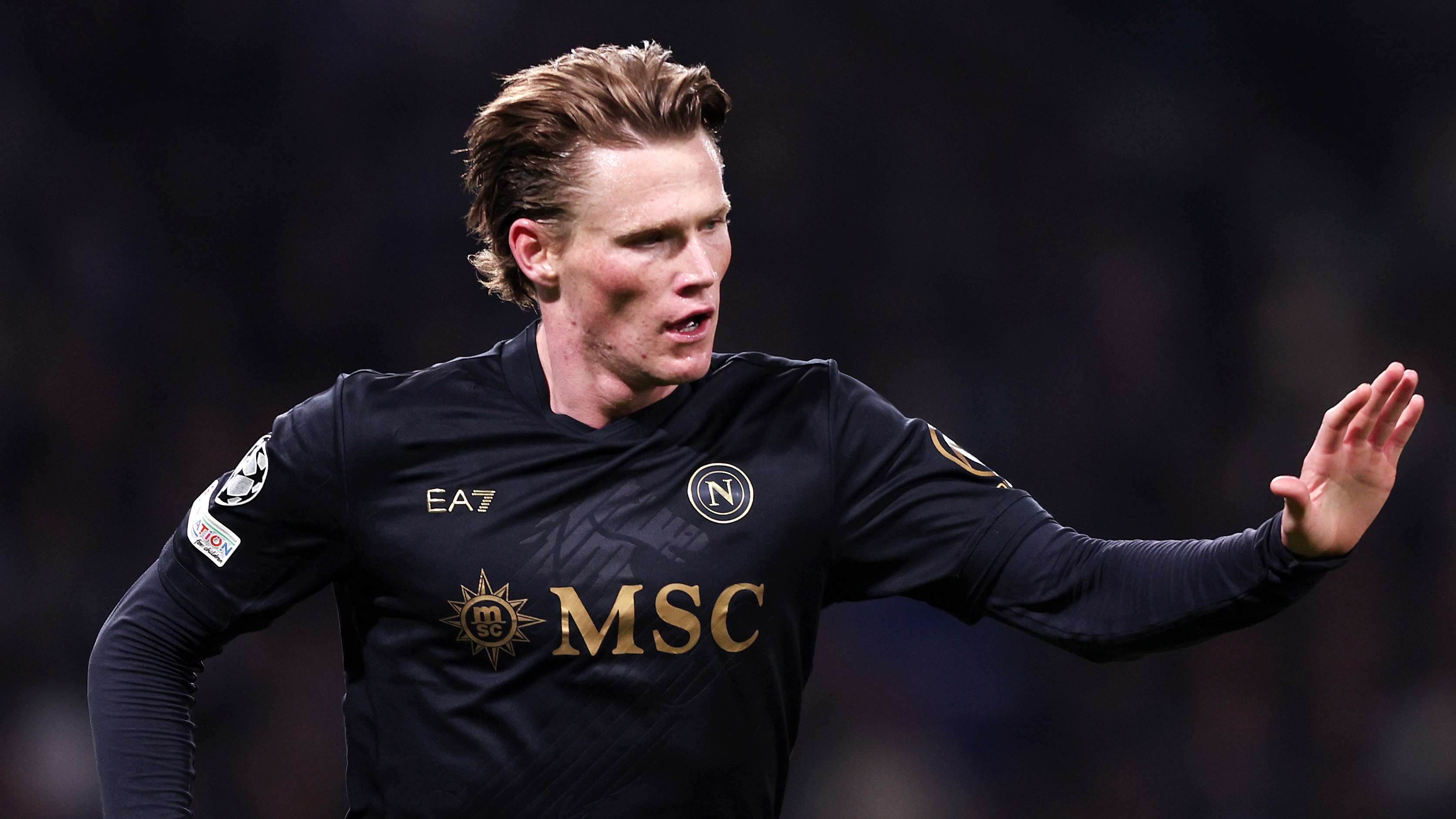
Napoli midfielder Scott McTominay has disclosed that he underwent an emergency heart procedure just two days before Scotland began their 2026 FIFA World Cup campaign against Haiti. The Scotland international says he was placed under anaesthetic and had his heart “shocked” after experiencing a rhythm problem—an ordeal that came at a particularly difficult moment in his career.
McTominay, now 29, shared the details at a press conference at Hampden Park, explaining that the issue first emerged after he arrived in the United States in early June. It continued to trouble him after he returned to Italy in August, where he was preparing for the new season with Napoli. He later underwent corrective surgery in Manchester in September.
At the time of Scotland’s World Cup preparations, the national team said McTominay had missed training because of a stomach complaint. His new account offers a clearer picture of the medical concern he was managing behind the scenes as Scotland prepared for one of the biggest tournaments in international football.
“I had to have my heart shocked”
Speaking about the days before Scotland’s opening match, McTominay said: “I had to have my heart shocked two days before the Haiti game.” He described the situation as a major shock, particularly because he had completed his preparation in good condition and believed he was ready to compete.
“I was 100% fit,” he said, “but obviously when you’re sitting on a hospital bed two days before the first game at a World Cup, about to be put under anaesthetic, that’s not the ideal situation, is it?”
The midfielder said the unexpected problem left him questioning how it could have happened at such a crucial time. He had worked hard to prepare for the tournament, but instead of concentrating solely on football and Scotland’s opening fixture, he faced a medical procedure and the uncertainty that came with it.
McTominay was still able to play in all three of Scotland’s group-stage matches. However, he acknowledged that the circumstances made it harder to reach the level he had hoped for. Scotland were eliminated at the group stage, adding to the disappointment of a campaign that had begun under unusually stressful conditions for one of the squad’s key players.
McTominay says the health issue is not an excuse
Although the timing of the procedure inevitably affected his World Cup experience, McTominay was careful not to present it as an explanation for Scotland’s results or his own performances. He said it was something he had to accept as part of his experience rather than use to avoid responsibility.
“It’s not an excuse by any means,” he explained. “But it’s something you have to look at and say: ‘Okay, it’s part of the process.’”
That perspective reflects the way the midfielder says he generally approaches setbacks. Even so, the combination of a serious health concern and a disappointing tournament took a considerable emotional toll. He said he spent two or three weeks after the World Cup feeling low and needing time to rest and regain his perspective.
“After the World Cup, this was perhaps the most disappointing moment I have felt in my professional career,” McTominay said. He added that it usually comes naturally to him to focus on the positive, but this disappointment took about two weeks to process.
Recovery, surgery and a return to Napoli
McTominay returned to action for Napoli at the start of the following season, but the heart rhythm issue had not been fully resolved. After playing two Serie A matches, he decided that surgery was the best way to address the problem. The corrective operation took place in September, and he spent the rest of that month recovering on the sidelines.
Heart rhythm disorders can vary widely in severity and treatment. Some are managed with monitoring or medication, while others require a procedure to restore or regulate the heart’s rhythm. McTominay has not provided further medical detail, and his comments do not establish a diagnosis beyond the rhythm problem he described. His account does, however, underline why professional athletes may need careful medical assessment before returning to the demands of elite competition.
For a footballer, recovery involves more than simply feeling ready to train. Clubs and national teams must consider medical advice, workload, fitness and the risks of returning too quickly. McTominay’s decision to undergo surgery after his early-season appearances suggests that resolving the issue properly became a priority, even though it meant missing valuable time with Napoli.
A difficult chapter for Scotland’s midfielder
McTominay’s disclosure adds important context to Scotland’s World Cup campaign and to the challenges he faced during a pivotal period. He entered the tournament after preparing in strong physical condition, then had to deal with a hospital procedure just before the opening match. Despite that, he took part in every group game and continued to represent his country while coping with the aftermath of the health scare.
The episode also highlights the pressures international players face when major tournaments arrive. Fans and analysts often assess a player’s performance through team results, match statistics and tactical decisions. Yet those measures cannot always capture what is happening away from the pitch, including medical concerns that may not be made public at the time.
For Scotland, McTominay remains an important figure because of his energy, versatility and ability to contribute in midfield and attack. His experience at club and international level makes him a central part of the team’s plans, while his return to Napoli after surgery provides a positive step following a difficult few months.
His story is not a prediction about future performances, nor does it offer a simple explanation for Scotland’s World Cup exit. Instead, it gives supporters a fuller understanding of the circumstances surrounding one of the squad’s most significant players. McTominay’s candid account shows how quickly an athlete’s plans can change—and how recovery, patience and support can become as important as preparation and performance in professional football.