
Ansu Fati, Barcelona’s No. 10 and the Weight of Expectation
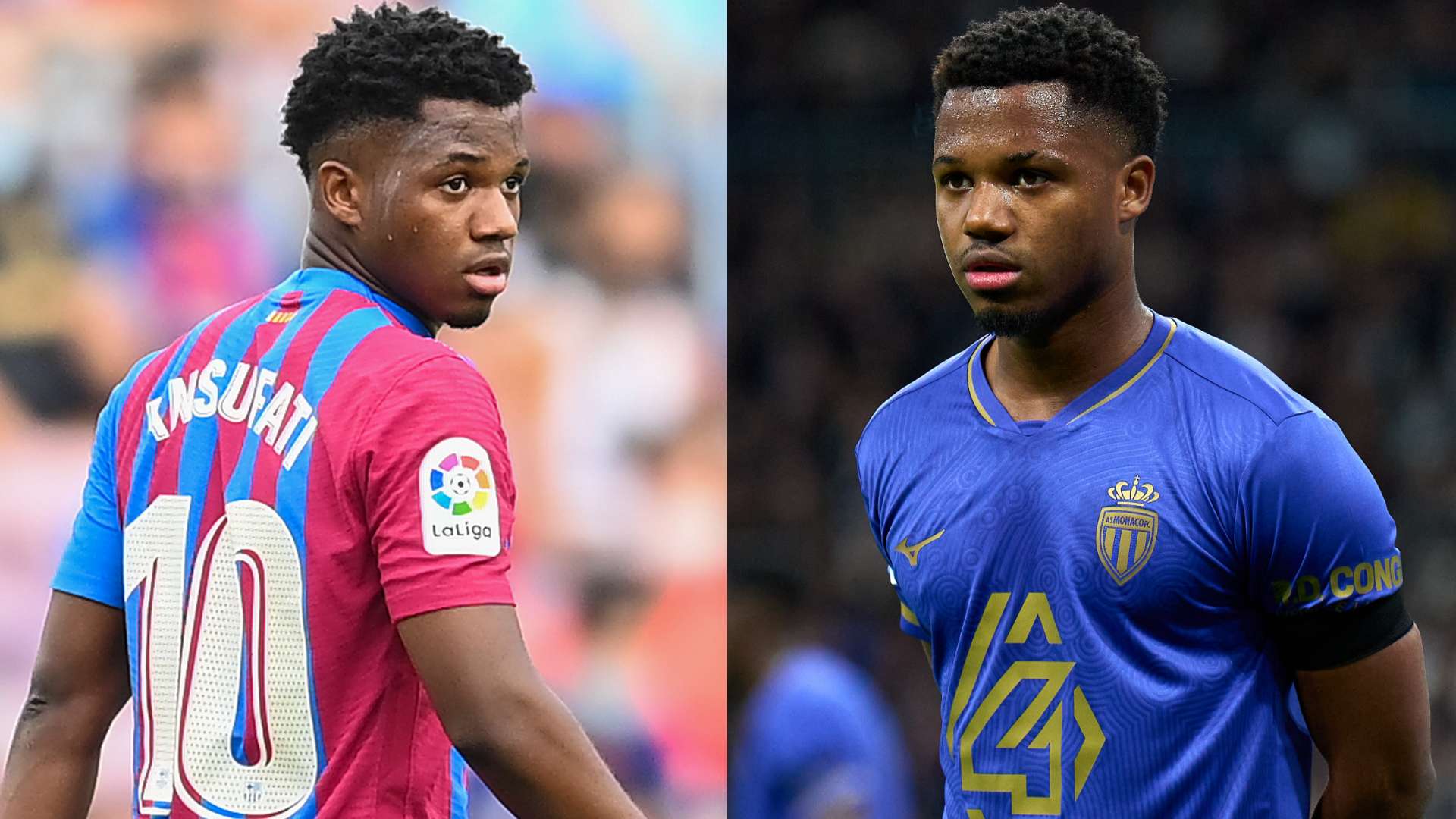
When Lionel Messi left Barcelona in 2021, the club’s iconic No. 10 shirt passed to Ansu Fati, a young forward who had already captured the imagination of supporters. The appointment was rich in symbolism: Fati was viewed as one of the brightest products of Barcelona’s academy and a possible star of the club’s next generation. Yet, according to former Arsenal midfielder Gilles Grimandi, the famous shirt did not “kill” Fati’s career. The more difficult truth, he suggests, is that the forward’s considerable potential has not yet been fulfilled.
Grimandi, who has been monitoring Fati during his time at Monaco, told GOAL that the debate around the player should not be reduced to the number on his back. Wearing Messi’s shirt inevitably brought scrutiny, but it was not the sole cause of the challenges that followed. Fati’s story is instead shaped by a combination of immense early promise, serious injury setbacks and the demanding reality of trying to establish himself at one of football’s most closely watched clubs.
From Barcelona Breakthrough to the No. 10 Shirt
Fati emerged as a teenager at a remarkable pace. His direct running, quick changes of direction and willingness to attack defenders made him an exciting presence in Barcelona’s first team. He became one of the youngest players to score for the club and quickly attracted attention as a potential cornerstone of its future. At a time when Barcelona were adjusting to a changing squad and the departure of Messi, Fati represented hope as much as talent.
Taking the No. 10 shirt intensified that narrative. The number had become inseparable from Messi’s extraordinary achievements at Camp Nou, including years of goals, trophies and record-breaking performances. For any successor, the comparison was unavoidable. For a young player still developing, the attention could make every appearance feel like a test of whether he could match a standard that few footballers in history have reached.
But inheriting a legendary shirt is not the same as being expected to reproduce its previous owner’s career. Fati was not Messi, and Barcelona’s decision to give him the number did not guarantee that he would immediately become the team’s leading player. The symbolic gesture reflected confidence in his promise, while also placing him under a spotlight that left little room for a gradual, private development.
Why Injuries Matter More Than the Shirt
The most significant interruption to Fati’s progress came through injury. A serious knee problem kept him out for an extended period and disrupted the rhythm that young players need to build confidence and consistency. Further physical issues made it harder for him to string together regular appearances. For an explosive forward whose game depends on acceleration and sharp movement, returning to full fitness is not simply a matter of being available for selection; it also means regaining timing, trust in the body and match sharpness.
That context helps explain why the conversation around Fati has shifted. Early assessments focused on his natural ability and the possibility of a rapid rise. Later, attention turned to minutes played, fitness and whether he could reclaim a regular role. Such questions are common for players returning from major injuries, but the pressure was amplified by Barcelona’s expectations and the No. 10 shirt’s association with Messi.
Grimandi’s view offers a useful distinction: the number did not destroy Fati’s career, but the gap between his early promise and his subsequent output is difficult to ignore. That is not the same as declaring his career over. At a young age, a player can still rebuild momentum, particularly if he finds a stable environment, consistent playing time and a tactical role suited to his strengths.
What Fati Needs to Rediscover
For Fati, the next stage is less about living up to Messi’s legacy and more about establishing his own identity. He is most effective when he can attack space, take on defenders and arrive in dangerous areas with purpose. A team that gives him clear responsibilities and allows him to play without being treated as a symbolic successor may help him focus on the practical demands of each match.
Regular football will be especially important. A run of starts can help a forward rebuild confidence and develop understanding with teammates, while short substitute appearances may offer fewer opportunities to find a natural rhythm. At the same time, managing his workload matters. After repeated setbacks, a careful approach to fitness could be more valuable than rushing him back into an intense schedule before he is fully prepared.
There is also a broader lesson for clubs. Young prospects can benefit from recognition, but public labels such as “the next Messi” can become a burden when they are treated as predictions rather than possibilities. Fati’s early achievements earned the excitement around him; they could not guarantee a smooth path through injuries, competition for places or changes in Barcelona’s sporting plans.
Football Prediction: A Career Still Open to Change
Any football prediction about Fati’s future should account for both sides of the story. His early performances demonstrated genuine quality, while his injury history and limited continuity show why potential alone cannot determine a player’s trajectory. The most sensible outlook is neither to assume that he will inevitably become a Barcelona superstar nor to conclude that his best years are already behind him.
His time at Monaco gives observers another opportunity to assess how he responds to a different setting and fresh demands. A successful spell would not erase the difficulties he has faced, but it could help him regain confidence and demonstrate that he can contribute consistently. For Barcelona, any progress would be a reminder that a young player’s development can take unexpected turns without ending altogether.
Ultimately, Fati’s No. 10 shirt remains part of a larger story, but it should not define the whole of it. Messi’s achievements created an almost impossible point of comparison, yet Fati’s career must be judged on his own performances, health and development. Grimandi’s assessment is measured: the shirt did not “kill” the forward’s prospects, but the great promise that once surrounded him has not yet been matched by sustained success. Whether he can close that gap is the question that will shape the next chapter of his football career.