
Giuseppe Cruciani Questions Milan’s Team Selection After Bournemouth Defeat
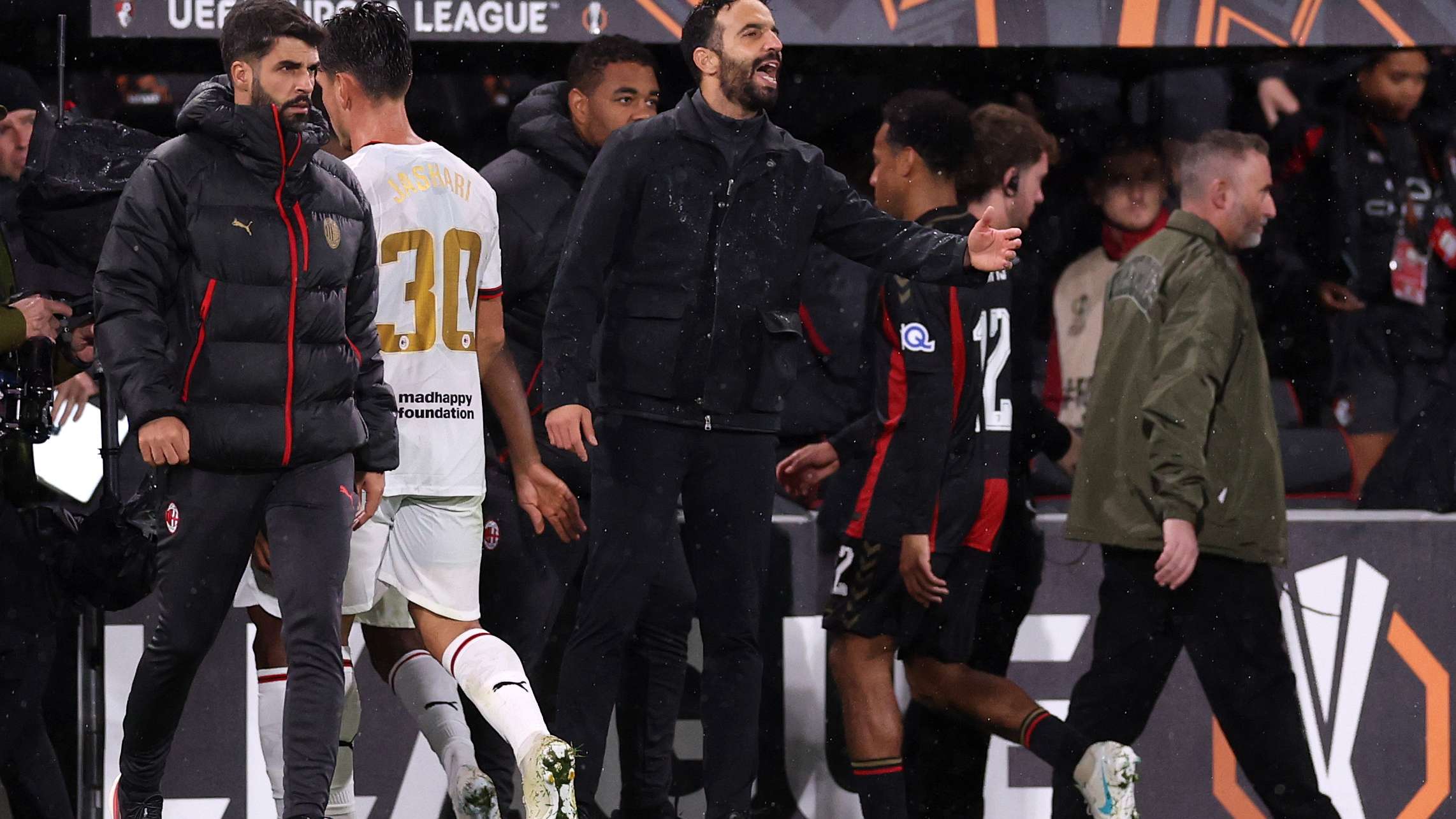
AC Milan’s defeat by Bournemouth has sparked fresh debate about the club’s approach to European football, with journalist Giuseppe Cruciani criticising both the team selection and the attitude shown in the competition. Speaking on the latest episode of the Numer1 podcast, Cruciani argued that Milan should not treat a European campaign as secondary—even if the current squad is not as strong as those of the club’s most celebrated eras.
His central point was straightforward: the players wearing the Milan shirt have a responsibility to represent the club with commitment in every competition. Cruciani said Milan could no longer be compared with the dominant teams of the past, but insisted that the badge still carries expectations. In his view, that history makes it especially important for the club to approach cup football seriously.
Cruciani’s Criticism of Milan’s Lineup
Cruciani took aim at the decision to field a heavily rotated side against Bournemouth, arguing that Milan should not rely on reserve players in a competition that could offer one of the clearest routes to success this season. “You can’t play the reserves in a competition that is essentially your competition this year,” he said, questioning whether the selection reflected the importance of the occasion.
Rotation is a familiar feature of modern football. Coaches must manage fatigue, injuries and a crowded calendar, particularly when league fixtures arrive soon after European matches. Yet squad management is also a matter of priorities. When a team makes extensive changes, it risks losing cohesion, rhythm and the understanding that comes from regular combinations. Against a well-organised opponent, those weaknesses can quickly become decisive.
Cruciani’s comments therefore raise a broader question for Milan: how should the club balance domestic ambitions with the opportunity to compete for silverware in Europe? A strong starting lineup may increase the chance of winning a particular match, but it can also place additional strain on key players. Conversely, too many changes may send the wrong message about the competition’s value and leave the team short of the quality needed to progress.
“The Shirt Must Be Honoured”
Cruciani acknowledged that the present-day Milan team is not the same side that once dominated European football. The club’s history includes celebrated generations, major continental triumphs and players who helped establish Milan as one of the most recognisable names in the sport. But, he argued, a team’s current limitations do not remove the responsibility attached to representing that history.
“AC Milan are no longer the Milan of old, fair enough, but they still wear that shirt and, in my opinion, that shirt must be honoured,” Cruciani said. His message was not simply about the result against Bournemouth. It was about the standard of effort and seriousness Milan should bring to every match, especially in knockout or cup competitions where one poor performance can end a campaign.
That distinction matters to supporters. Fans understand that clubs go through cycles: squads change, finances shift and rebuilding takes time. What they are less likely to accept is the impression that a competition is being treated as unimportant. For a club with Milan’s European reputation, ambition is measured not only by the trophies it has already won, but also by how it responds when it is no longer the favourite.
European Football Offers Milan a Chance to Rebuild Its Identity
Cruciani also suggested that cup competitions are a natural setting for Milan, pointing to the club’s historic success in Europe. His criticism reflects a wider tension between legacy and present reality. Milan’s past achievements create high expectations, but the current squad must establish its own identity through performances rather than relying on reputation alone.
European matches can be particularly valuable during a rebuilding period. They test a team against unfamiliar styles, expose weaknesses that may be less obvious in domestic fixtures and give younger players experience under pressure. A serious approach can also help restore confidence among supporters and reinforce the idea that Milan remains capable of competing beyond Italy.
At the same time, history cannot guarantee future success. A famous shirt may inspire players, but it cannot replace tactical preparation, sharp decision-making or a balanced lineup. Milan need to combine respect for the club’s traditions with practical planning for the demands of the present-day game. That means making rotation decisions carefully and ensuring that the players selected understand the importance of the assignment.
What the Bournemouth Result Could Mean
The defeat is likely to intensify scrutiny of Milan’s selection choices and their wider strategy in European competition. Whether the result proves to be a temporary setback or a defining moment will depend on the team’s response. Coaches and players will be expected to show that the performance was not a sign of indifference, while future team selections may be judged against the importance Cruciani has placed on the competition.
For supporters looking ahead, any football prediction about Milan’s European prospects should account for more than the club’s name or historical record. Current form, squad availability, tactical consistency and the manager’s willingness to select an experienced core will all shape what happens next. A stronger response in the following fixtures could restore confidence; another lacklustre display would make concerns about priorities harder to dismiss.
Cruciani’s remarks ultimately serve as a reminder that expectations at Milan remain high, even during a period of transition. The club may no longer possess the same depth or dominance as its greatest teams, but its supporters still expect commitment whenever the side takes the field. In European football, where reputation and results are closely linked, respecting the shirt means treating every opportunity to compete as one worth fighting for.