
Spain’s 2030 World Cup Final Dispute Escalates as Feijóo Threatens Withdrawal
The race to host the final of the 2030 FIFA World Cup has become a political flashpoint, with Spain’s opposition leader Alberto Núñez Feijóo warning that the country should withdraw from organising the tournament if the showpiece match is awarded elsewhere. His comments have intensified a growing debate over how hosting duties should be shared among Spain, Portugal and Morocco.
The three countries are set to co-host the main tournament, while Argentina, Uruguay and Paraguay are expected to stage celebratory matches marking a century since the first World Cup was held in 1930. However, FIFA has yet to decide where the final will take place. Spain and Morocco are both seeking the prestigious fixture, which is likely to draw a global audience and generate substantial commercial and tourism interest.
Feijóo calls Spain the “natural” choice
Speaking on the Spanish television programme El Chiringuito, Feijóo argued that Spain should host the 2030 final, describing the country’s claim as “fair, appropriate and indisputable.” The leader of the People’s Party, who is campaigning ahead of a general election scheduled for 29 November, said Spain had the experience and sporting credentials to stage the tournament’s most important match.
As reported by Spanish newspaper Marca, Feijóo put his position plainly: “Where should the 2030 World Cup final be held? Where it is fair, appropriate and indisputable, in Spain.” His remarks go beyond a conventional bid for a major fixture. By linking Spain’s participation in the wider hosting project to FIFA’s eventual decision, he has turned the final into a test of national influence and political resolve.
Three arguments behind Spain’s World Cup bid
Feijóo outlined three reasons he believes Spain should be selected. First, he said the country has repeatedly demonstrated that it can organise major sporting events successfully. Spain’s infrastructure, transport links, stadiums and experience hosting international competitions could all strengthen its case, although FIFA will ultimately assess a broad range of practical and commercial factors.
His second argument focused on the history of the 2030 hosting bid. Feijóo said Spain and Portugal were the original host nations before Morocco joined the project at a later stage. That account, he suggested, supports the view that Spain should receive the final. The eventual hosting arrangement, however, is a joint project, and FIFA’s decision will depend on its own evaluation rather than on the order in which partners joined the bid.
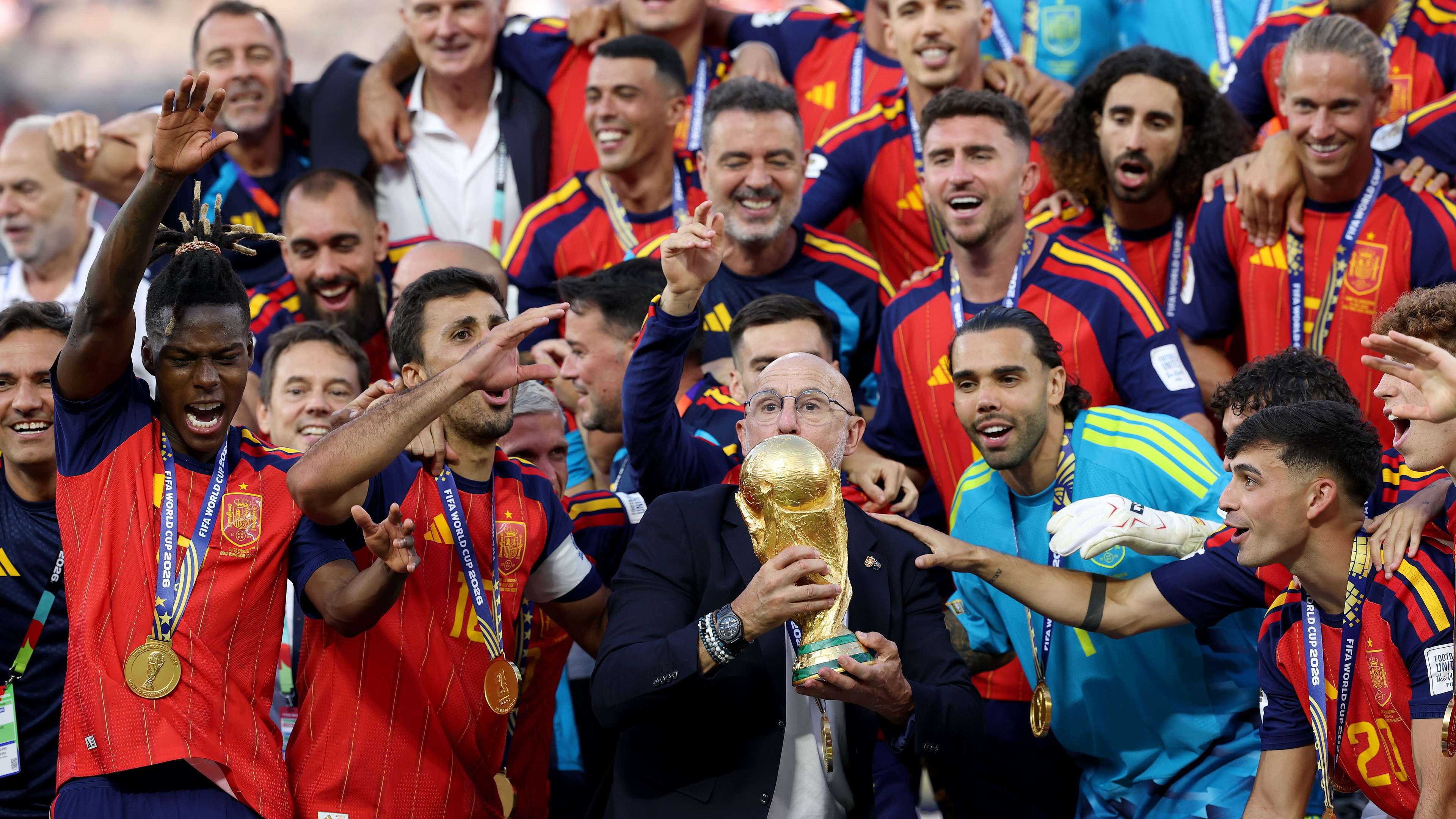
Third, Feijóo pointed to Spain’s standing in international football. He described the country as a leading power in the sport and referred to its recent success in both men’s and women’s competitions. Strong national teams can add visibility to a host nation’s campaign, but hosting rights are not awarded solely on sporting results. Stadium capacity, security, logistics, accommodation, transport and tournament planning are also central considerations.
A withdrawal threat raises the stakes
The most striking part of Feijóo’s intervention came when he was asked what Spain should do if the final is awarded to Morocco. He said that, if he became prime minister, Spain should not continue as a tournament organiser under those circumstances. Asked directly whether he would withdraw the country from the hosting project, he answered: “Yes, the answer is yes.”
That position could have significant consequences if it were ever put into practice. A World Cup is a complex, multinational event, involving years of planning and close coordination between host governments, football authorities, local organisers and FIFA. A withdrawal by one of the principal host countries could force a major reassessment of venues, schedules, infrastructure plans and commercial arrangements. It could also affect Portugal and Morocco, whose preparations are linked to the broader hosting framework.
At the same time, Feijóo’s statement is a political position rather than an announced government decision. Whether Spain would actually leave the project would depend on the outcome of the election, negotiations with its partners and the terms of the hosting agreement. The remarks nevertheless signal that the final is becoming a prominent issue in Spain’s domestic political debate.
Why the final matters beyond football
The World Cup final is more than the closing match of a tournament. It is one of the most watched events in global sport, offering the host city and country an opportunity to showcase their facilities, culture and tourism appeal. The game can attract visitors, investment and international media attention, while also creating pressure to deliver a safe and smooth event for teams and supporters.
That combination helps explain why Spain and Morocco are both keen to host the match. The decision will carry symbolic weight as well as practical value: it will indicate how FIFA views the balance between the European and African partners in an unprecedented multi-country tournament. Portugal is also part of the hosting arrangement, making the eventual allocation a matter of regional cooperation as well as national ambition.
For football fans, the immediate question is where the final will be played. For the host nations, the debate reaches further, touching on political influence, shared commitments and the benefits associated with staging the sport’s biggest occasion. FIFA has not yet settled the matter, leaving room for further campaigning and negotiation.
Prediction: FIFA faces a delicate balancing act
Any prediction about the final’s location remains uncertain while FIFA has yet to announce its decision. Spain’s established football profile and event-hosting experience make it a strong contender, while Morocco’s role in the joint bid and its ambition to stage the tournament’s headline match are also likely to feature in discussions. The final allocation may depend on venue readiness, operational planning and the need to preserve cooperation among the hosts.
Feijóo’s intervention may increase pressure on FIFA, but it could also complicate the diplomatic balance required to deliver the 2030 World Cup. The challenge for the governing body will be to make a decision that is credible to all partners and workable for the tournament. Until that decision is made, the dispute over the final is likely to remain one of the defining stories surrounding the 2030 World Cup.